Inside the 24-hour sprint to convince Trump to drop his plans to toll Strait of Hormuz

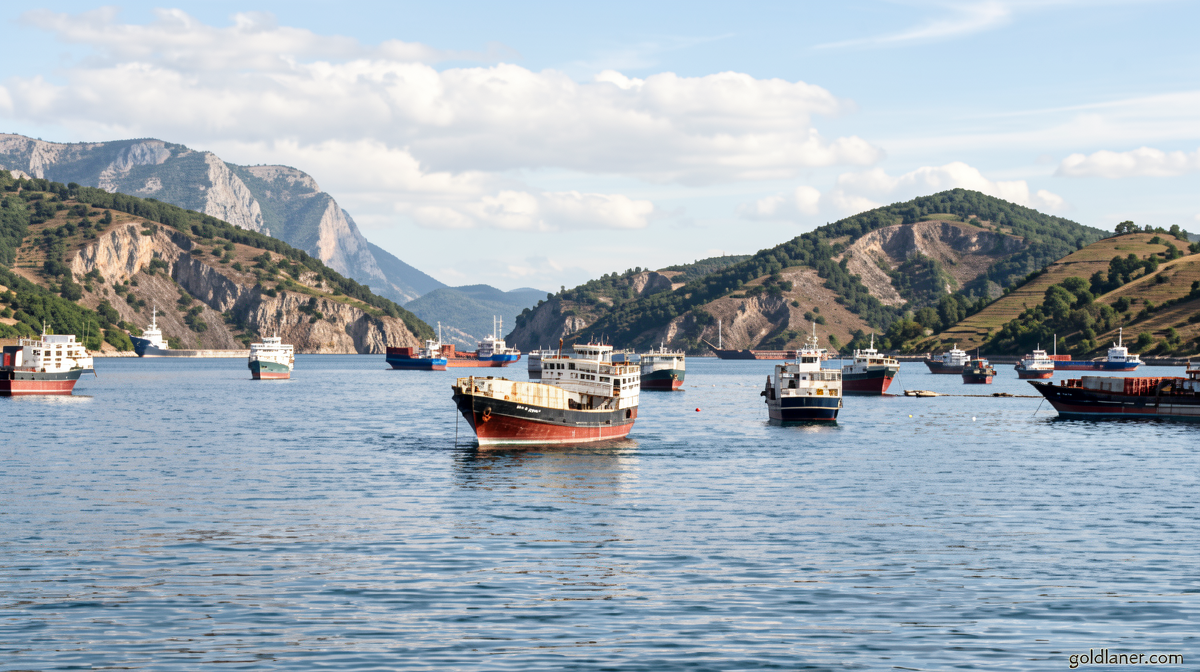
Trump’s Hormuz Toll: The 24-Hour Reversal
Inside the 24 hour sprint to convince President Trump to abandon his controversial plan to impose a toll on maritime traffic through the Strait of Hormuz, diplomatic channels worked around the clock. The President’s sudden announcement on Monday sent shockwaves through Washington and global markets alike. According to multiple sources familiar with the situation, this unexpected policy shift triggered an urgent, coordinated effort among senior advisors and international partners to persuade the commander-in-chief to reconsider his bold proposal. The timing proved critical, as the administration moved swiftly to address concerns before the policy could take full effect.
The Bold Announcement
Despite viewing the escalating regional tensions as approaching full-scale conflict, Trump remained determined to assert American dominance over the vital waterway. On Monday morning, the President took to Truth Social with a dramatic declaration. He proclaimed that the United States would henceforth be recognized as “THE GUARDIAN OF THE HORMUZ STRAIT.” In this sweeping statement, he committed to extracting a twenty percent levy on every commercial shipment navigating the critical chokepoint. This impulsive order initiated a whirlwind twenty-four-hour period where officials scrambled to understand the mechanics and implications of the new policy.
Inside the Diplomatic Sprint
While Trump appeared to formulate the idea spontaneously, his team worked tirelessly behind the scenes to determine payment structures and implementation details. Initially, many believed commercial shippers would bear the full cost of the toll. However, the situation grew more complex when Trump later specified that Gulf partners would cover the expenses instead. Simultaneously, leaders from neighboring nations engaged in rapid-fire communications to reach the President before the policy solidified permanently.
By Tuesday morning, a wave of appeals from key regional powers had yielded significant results. Qatar, Bahrain, the United Arab Emirates, and Saudi Arabia all joined forces to present alternative solutions. Rather than accepting a US-imposed toll, these nations offered to channel fresh capital into American investments. Although Gulf states have already promised trillions in funding over the coming decades, the precise allocation and timeline remain subjects of ongoing negotiation.
Reversing Course
Trump explained the dramatic shift on Tuesday, noting that he initially liked the toll concept but listened carefully to his partners’ concerns. He highlighted the strength of these relationships during the reversal process, emphasizing that diplomacy had prevailed over unilateral action. The President acknowledged that while the toll idea had merit, the economic and political costs of proceeding alone outweighed the benefits.
The Gulf partners came forward with compelling alternatives that served American interests better than a simple toll would have. We maintained our position as guardian while finding a more sustainable path forward.
Senior counselors within the White House had feared that imposing such a charge would weaken American military objectives while simultaneously legitimizing Iran’s own potential strategy of monetizing the waterway—a move the administration has consistently labeled as unlawful. The frantic efforts to convince Trump to drop his plans ultimately succeeded, demonstrating the power of coordinated diplomatic pressure even in the face of presidential determination.