Hackers breach senior US Space Force official’s Instagram account and post Iranian propaganda

Senior US Space Force Official’s Instagram Hacked with Iranian Propaganda
Hackers breach senior US Space Force – Iranian hackers successfully infiltrated the Instagram account of a high-ranking U.S. Space Force official, using it to disseminate pro-Iran content. The breach occurred recently, with suspicious posts briefly appearing before being flagged and removed. Among the altered content was a video featuring the iconic “Hanoi Hannah” audio, a voice used in U.S. military broadcasts during the Vietnam War. The clip included the phrase “leave a sinking ship,” historically tied to U.S. efforts to ease troop withdrawals. The hackers also posted images of Ali Larijani, a former Iranian security official, to reinforce the propaganda narrative.
A Cyberfront in the U.S.-Iran Conflict
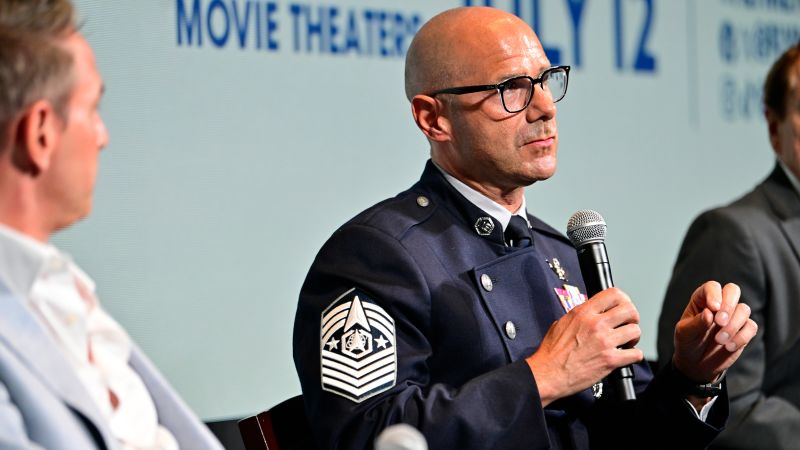
This incident underscores the evolving nature of warfare, where cyberattacks now complement traditional military strategies. The Space Force, a relatively new branch of the U.S. military, has been a focal point in operations against Iran. The breach highlights how adversaries are targeting digital platforms to spread disinformation and influence public opinion. Chief Master Sgt. John Bentivegna, the Space Force’s top enlisted official, issued a statement urging caution. “We are working with the appropriate teams to regain access and resolve the issue as quickly as possible,” he said in a Facebook post, emphasizing the urgency of the situation.
“We are working with the appropriate teams to regain access and resolve the issue as quickly as possible,” Chief Master Sgt. John Bentivegna said in a Facebook post.
The Space Force’s spokesperson confirmed the breach but provided limited details, such as the exact timeline or the attackers’ identity. This lack of transparency has fueled concerns about the security of social media accounts for military personnel. The use of Instagram as a tool for Iranian propaganda suggests a deliberate strategy to exploit the platform’s reach and engagement features. Such tactics align with broader efforts to shape narratives during the ongoing U.S.-Iran conflict.
Broader Cyber Threats to U.S. Defense
Similar cyberattacks have targeted other U.S. defense assets, illustrating a pattern of digital aggression. In March, Iranian hackers breached the email account of FBI Director Kash Patel, leaking sensitive communications. This incident, along with threats sent to U.S. Marines and their families, demonstrates a coordinated campaign to disrupt military operations and gather intelligence. One message, reviewed by CNN, stated, “Your identities are fully known to our missile units, and every move you make is under our surveillance.”
“Your identities are fully known to our missile units, and every move you make is under our surveillance,” one threatening message reviewed by CNN said.
The U.S. military has long recognized the strategic value of cyber operations. Leaders have warned that adversaries could weaponize social media to spread misinformation, destabilize morale, and undermine public trust. With the conflict expanding beyond the Middle East, the Space Force’s digital presence has become a critical asset—and a potential target. Recent intelligence reports suggest Iranian hackers are actively using commercial data to track U.S. personnel, further blurring the lines between physical and digital warfare.
Propaganda Tactics and Public Influence
Iranian hackers are leveraging creative methods to amplify their message. The use of AI-generated content, such as Lego-themed videos mocking U.S. leaders, shows how propaganda is adapting to modern platforms. These tactics aim to engage younger audiences and blur the distinction between entertainment and ideology. By targeting high-profile figures, adversaries seek to spread influence quickly and widely, turning social media into a battleground for public perception.
Meanwhile, U.S. authorities are working to counter these efforts. The Space Force has joined broader initiatives to secure digital accounts and detect suspicious activity. The breach has prompted discussions about enhancing cybersecurity protocols for military personnel, particularly those in high-visibility roles. As the U.S. continues its operations against Iran, the threat of cyberattacks remains a persistent challenge, requiring constant vigilance and adaptive strategies.