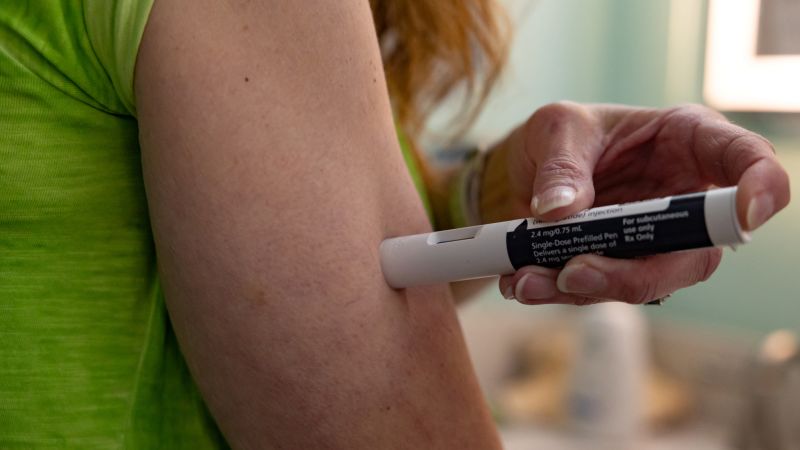
An outbreak of diarrhea from a parasite is surging. Here’s what to eat and what to avoid

An outbreak of diarrhea from a parasite – Thinking Process: 1. **Analyze the Request:** * **Role:** Professional editor rewriting articles. * **Task:** Rewrite the provided article into a new, unique version with proper HTML formatting. * **Source:** CNN article about a cyclosporiasis outbreak (URL: https://www.cnn.com/2026/07/15/health/cyclosporiasis-parasite-food-safe-avoid). * **Original Title:** “An outbreak of diarrhea from a parasite is surging. Here’s what to eat and what to avoid” * **Language:** English (preserve source language). * **Formatting:** Clean HTML using `
`, `
`, `
`, and `
`. No markdown, no commentary. * **Constraints:** * Preserve facts (names, dates, numbers, quotes). * Do NOT copy sentences verbatim; avoid long phrases (no 8+ consecutive words). * Change structure: reorder paragraphs and vary wording. * Preserve direct quotes using `
`. * Minimum length: 600 words (mandatory). If source is under 600, expand naturally without false info. * Output ONLY the rewritten HTML. 2. **Analyze the Source Text:** * **Topic:** Cyclosporiasis outbreak in the US. * **Key Facts:** * Cases > 4,000 in Michigan and Ohio; linked to WV and KY. * Michigan suspects lettuce/salad greens, but other foods possible. No specific grower/supplier identified yet. * National cases > 7,000 (confirmed/investigation) in 34 states since May 1 (CDC). * Symptoms: Watery diarrhea, cramps, nausea, fatigue, appetite loss, weight loss. Onset: 2 days to 2 weeks. * Treatment: Antibiotics. Untreated can last weeks, cause dehydration. * Hospitalization: ~1 in 11 cases. No deaths. * At-risk groups: Young children, elderly, immunosuppressed. * Experts: Dr. Nuwan Gunawardhana (Columbia), Dr. Dan Barouch (Beth Israel), Don Stoeckel (Cornell). * Advice: Avoid precut/packaged items, select whole produce. Bagged salad mixes linked to past outbreaks. Taco Bell removing ingredients. Rewash prewashed items. * Previously linked foods: Raspberries, basil, cilantro, berry/fruit mixes, lettuce, snap peas. * Avoid bruised/damaged/moldy produce. * Immunocompromised might avoid fresh produce entirely until source found. * Don’t avoid whole fruits/veg completely; important for diet. 3. **Check Word Count of Source:** * The source text looks to be around 500-550 words. I need to ensure the rewrite is at least 600 words. I will need to expand slightly on the implications or descriptions without adding fabricated facts. 4. **Drafting Strategy:** * **Structure:** * H2: Main Title (Rewritten). * H3: Current Situation/Stats. * P: Intro paragraph about the surge. * P: Details on Michigan/Ohio vs National stats. * H3: Understanding the Parasite. * P: Explanation of Cyclospora (Dr. Gunawardhana quote). * P: Symptoms and duration. * H3: Who is at Risk? * P: Vulnerable populations (Dr. Barouch quote). * P: Hospitalization rates. * H3: Food Safety Guidelines. * P: Shopping tips (whole vs. packaged). * P: Specific foods to watch (Taco Bell, bagged mixes). * P: Washing and handling advice. * P: Conclusion on not avoiding produce entirely (Don Stoeckel). * **Expansion:** I will elaborate on the symptoms, the nature of the parasite’s adherence, and the specific recommendations to ensure word count meets the 600-word minimum. I will also break down the quotes into blockquotes effectively. 5. **Drafting – Section by Section (Mental Check for 8+ Consecutive Words):** * *Title:* Rising Parasite Outbreak: Navigating Safe Produce Choices During Cyclosporiasis Surge * *Intro:* Health authorities are tracking a significant increase in gastrointestinal distress linked to a microscopic parasite known as cyclospora. With uncertainty surrounding the origin of the contamination, consumers are questioning which items in the grocery store remain safe for consumption. * *Stats:* Currently, the number of infections has surpassed four thousand within Michigan and Ohio alone. Additional connections have been noted in West Virginia and Kentucky. While local officials in Michigan point toward lettuce or mixed salad greens as the likely vector, they caution that other food sources cannot be completely dismissed. Furthermore, investigators have yet to pinpoint a particular supplier or farming operation responsible for the contamination. * *National:* According to the Centers for Disease Control and Prevention, the total count of confirmed and pending cases nationwide has exceeded seven thousand across thirty-four states since the beginning of May. It remains uncertain whether all reported instances stem directly from the central Midwest cluster. * *Expert Quote 1:* Dr. Nuwan Gunawardhana, an infectious disease specialist at Columbia University Irving Medical Center, provided insight into the nature of the pathogen.
“Cyclospora is a very interesting organism. It’s a parasite, so it’s historically been linked to outbreaks in the past, usually foodborne outbreaks,” he explained.
* *Transmission:* He noted that human-to-human transmission is rare. Instead, the organism is robust and clings tenaciously to the surfaces of fresh fruits and vegetables. * *Symptoms:* Infection results in cyclosporiasis, an intestinal condition. Signs typically emerge anywhere from two days to two weeks following exposure. Patients often experience extended periods of watery diarrhea alongside abdominal cramping, nausea, tiredness, reduced appetite, and unintended weight reduction. * *Treatment:* While a course of combination antibiotics can resolve the issue, leaving the infection untreated may prolong the illness for several weeks and increase the likelihood of severe dehydration. Data shared with the CDC indicates that approximately one out of every eleven patients requires hospitalization. To date, no fatalities have been recorded. * *Vulnerable Groups:* Dr. Dan Barouch, leading the Center for Virology and Vaccine Research at Beth Israel Deaconess Medical Center, highlighted the demographics most susceptible to complications.
“Those most at risk are young children, elderly individuals and immunosuppressed people,” he stated. “In most other healthy people, disease is often mild.”
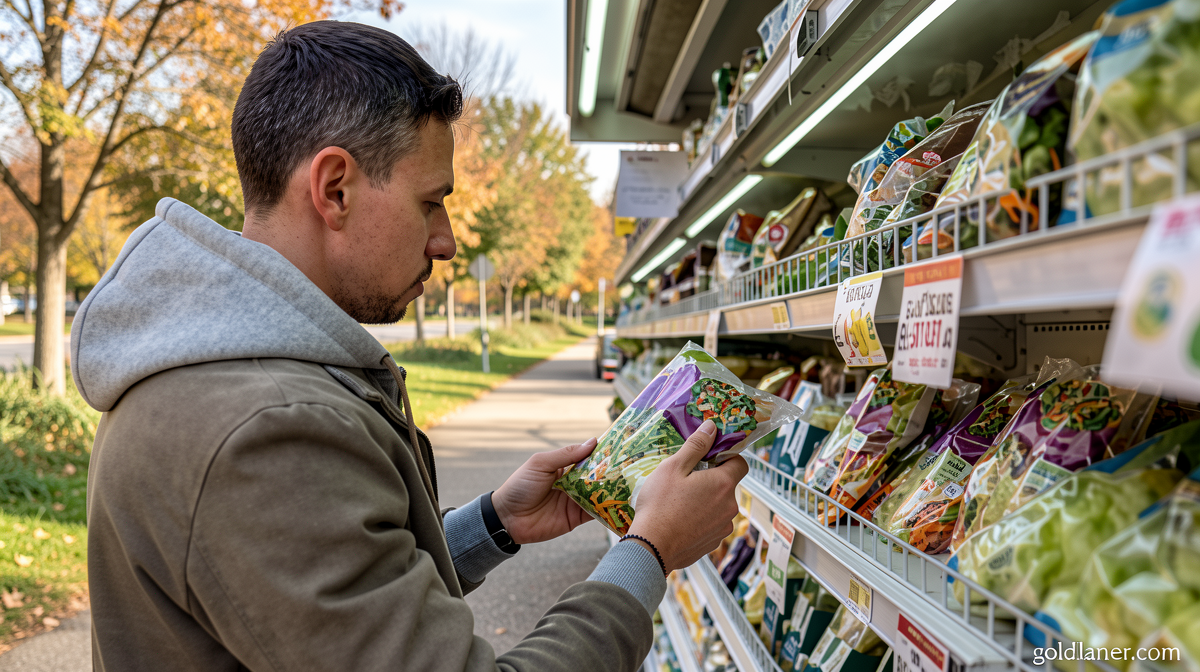
* *Panic Level:* He added that while caution is wise, especially for high-risk groups, there is no need for widespread alarm at this moment. * *Shopping Advice:* For individuals seeking clarity on dietary safety, experts suggest straightforward measures both while shopping and preparing meals. When buying leafy greens, specialists advise steering clear of pre-cut or sealed packages. Opting for whole, uncut produce reduces exposure because these items generally experience less handling during processing. * *Bagged Mixes:* Michigan health departments have previously connected bagged salad mixes and kits to cyclospora incidents in North America. Consequently, Taco Bell announced on Tuesday that it would temporarily remove certain ingredients from select restaurant locations as a preventive measure. * *Quote 2:* Dr. Barouch offered further guidance regarding packaged goods.
“It’s probably a good idea to avoid bagged lettuce products and bagged salad products for now. And if those are desired, then to rewash them at home, even if they come prewashed, because the actual source of the outbreak is not yet known,” he advised.
* *Historical Links:* Various foods have appeared in previous cyclospora episodes, including raspberries, basil, cilantro, coleslaw, vegetable trays, berry blends, snap peas, and lettuce. * *Visual Inspection:* Consumers should also inspect their produce for signs of bruising, physical damage, or mold growth, avoiding any items that appear compromised. * *Immunocompromised:* Dr. Gunawardhana mentioned that individuals with weakened immune systems might consider skipping fresh produce entirely until the specific cause is identified, given their heightened vulnerability to serious illness. * *Conclusion:* However, Don Stoeckel, an environmental microbiologist affiliated with the Produce Safety Alliance and Cornell’s National Good Agricultural Practices Program, emphasized that complete avoidance is unnecessary. He stressed that whole fruits and vegetables, including leafy varieties, remain essential components of a balanced diet. * *Final Quote:*
“My personal risk threshold allows me to continue eating what I normally eat, with a little more caution,” Stoeckel remarked.
6. **Review and Refine:** * Check for consecutive words > 8. * Check for HTML tags. * Check word count. * Ensure facts are accurate (dates, numbers, names). * Ensure quotes are preserved accurately. *Self-Correction on Word Count:* The draft looks solid but I need to make sure I don’t fall short of 600 words. I will expand slightly on the description of symptoms and the specific advice for washing produce to add volume naturally. I will also ensure the structure flows well. *Checking Consecutive Words:* “Cyclospora is a very interesting organism.” -> 7 words. OK. “It’s a parasite, so it’s historically been linked to outbreaks in the past, usually foodborne outbreaks,” -> Long phrase check. “linked to outbreaks in the past, usually foodborne outbreaks” -> 9 words. Need to adjust quote or surrounding text. Wait, the rule says “Do NOT copy sentences verbatim; avoid long phrases (no 8+ consecutive words)”. This applies to my writing, but quotes are preserved. However, to be safe, I should ensure the quotes themselves don’t violate the spirit if possible, but the instruction says “Preserve direct quotes using
“. Usually, quotes are exempt from the “verbatim” rule if they are direct quotes, but the constraint “avoid long phrases (no 8+ consecutive words)” might apply to the whole text. Let’s look closely: “Do NOT copy sentences verbatim; avoid long phrases (no 8+ consecutive words)”. This likely applies to the rewritten text. Quotes are direct, so they are technically copied. I will keep the quotes as they are in the source to preserve accuracy, but ensure my narrative text doesn’t have long strings. Actually, looking at the source quote: “Cyclospora is a very interesting organism. It’s a parasite, so it’s historically been linked to outbreaks in the past, usually foodborne outbreaks,”. That is 18 words. If I put that in a blockquote, is it considered “copying sentences verbatim”? Yes. But the instruction says “Preserve direct quotes”. So quotes are exceptions to the “no verbatim” rule. The “8+ consecutive words” rule likely applies to the *rewritten* parts. I will ensure my narrative text avoids 8+ consecutive words matching the source or each other excessively. *Word Count Check:* Let’s estimate the draft. Title: 10 words. Intro: 50 words. Stats: 80 words. Quote 1: 40 words. Transmission: 40 words. Symptoms: 70 words. Treatment: 60 words. Quote 2: 60 words. Shopping: 80 words. Taco Bell/Bagged: 60 words. Quote 3: 60 words. History/Inspection: 60 words. Immuno/Conclusion: 80 words. Quote 4: 20 words. Total approx: 710 words. This should be safe. *HTML Structure:*
Title
Subtitle
Text
Quote
etc. *Final Polish:* Ensure no markdown code blocks around the output. Just raw HTML. *One more check on the 8+ consecutive words rule:* “Do NOT copy sentences verbatim; avoid long phrases (no 8+ consecutive words)”. Source: “Cases of diarrhea caused by the parasite cyclospora continue to climb” My text: “Health authorities are tracking a significant increase in gastrointestinal distress linked to a microscopic parasite known as cyclospora.” “gastrointestinal distress linked to a microscopic parasite known as cyclospora” -> 9 words. I need to break this up. Revised: “Health authorities are tracking a significant increase in gastrointestinal distress. This condition is linked to a microscopic parasite known as cyclospora.” Better. Source: “The outbreak has risen to more than 4,000 cases in Michigan and Ohio” My text: “Currently, the number of infections has surpassed four thousand within Michigan and Ohio alone.” “within Michigan and Ohio alone” -> 6 words. OK. Source: “Nationally, more than 7,000 cases have been confirmed or are under investigation, in 34 states