
Long Island Rail Road, America’s largest commuter railroad, is on strike
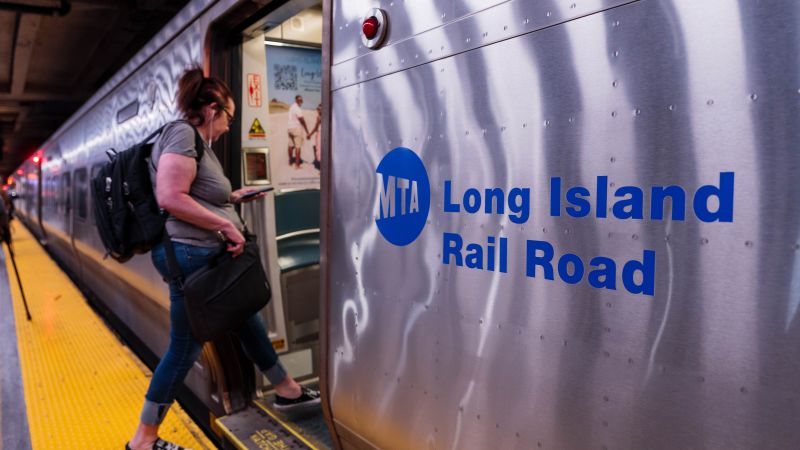
LIRR Strike Disrupts Commutes in New York City Area
Long Island Rail Road America s largest – Commuters across Long Island are facing a major disruption as the Long Island Rail Road (LIRR), the nation’s largest commuter rail system, enters its first strike since 1994. The action, initiated by five labor unions representing 3,500 employees, has caused a complete halt in train operations, threatening to leave hundreds of thousands of weekday travelers stranded. The unions’ inability to secure a tentative agreement with railroad management on Friday has set the stage for a full-scale disruption that could ripple through the region’s transportation networks.
Kevin Sexton, a vice president of the Brotherhood of Locomotive Engineers and Trainmen and union spokesperson, confirmed the breakdown in negotiations. “After two days of nonstop discussions, the parties could not find common ground,” he stated. The unions are pushing for a 4% to 5% wage increase, a request that has been delayed for nearly four years. This demand comes amid a period of soaring cost-of-living expenses in New York, where inflation has outpaced growth in many sectors. The labor groups argue that the raise is essential to offset rising expenses for their members, who have faced financial strain due to housing, food, and healthcare costs.
Despite the unions’ efforts, the railroad management held firm, ultimately shifting the negotiating stance in the final hours. According to the unions, two federal panels that reviewed the dispute sided with their position, yet management insisted on an additional condition: higher healthcare premiums for workers. This last-minute demand, which the unions deemed unreasonable, became the deciding factor in the walkout. “The MTA and Gov. Hochul chose to prioritize short-term budget concerns over the needs of their workforce,” said Nick Peluso, national vice president of the Transportation Communications Union, one of the groups involved in the strike.
“These riders are our friends, our neighbors, they live in our communities. We understand the service the LIRR provides in this region,” said Kevin Sexton. “But without a fair deal, we can’t move forward.”
The LIRR, which operates under the Metropolitan Transportation Authority (MTA), has not yet regained its pre-pandemic ridership levels. While service has improved to approximately 90% of 2019 figures, the strike could further erode public confidence. Last year, the railroad generated $636 million in fare revenue, a figure that could be significantly reduced during the walkout, with an estimated $2 million in daily losses. Passengers with monthly passes will receive partial refunds, but the overall impact on the system remains uncertain.
Commuters are now scrambling to adjust their routines as the strike escalates. The MTA has warned that limited bus services will only manage a fraction of the usual demand, with buses handling around 13,000 passengers in the morning and another 13,000 in the evening. This capacity is far below the typical number of rail passengers, particularly during peak hours. The agency is urging residents to prioritize remote work, avoid unnecessary trips, and allow extra travel time. However, the strike’s timing complicates these measures, as many commuters rely on the LIRR for daily commutes.
The strike’s effects will be most pronounced on Monday, when nearly 300,000 people typically use the railroad to travel to Manhattan. Meanwhile, the weekend’s potential for increased traffic has been raised by the Mets and Yankees’ interleague games at Citi Field, which is accessible via LIRR routes. Despite these events, the weekend has seen fewer passengers than weekdays, but the unions’ actions could still create bottlenecks.
Janno Lieber, CEO of the MTA, has criticized the unions for their approach, claiming they aimed to create “unnecessary dysfunction” and force the agency into a costly agreement. “The unions’ strategy is to inconvenience Long Islanders and push the MTA and the state to accept a poor deal,” he argued. This sentiment echoes a broader disagreement between the two sides: the MTA believes the unions’ demands risk destabilizing the system’s financial health, while the workers insist their needs have been overlooked for too long.
“Commuters are dealing with unnecessary dysfunction and thousands of union LIRR workers are forced to go without a paycheck because of the decisions made by a small group of union leaders,” said New York Gov. Kathy Hochul. The governor’s statement came Saturday, as she condemned the strike as “reckless” and called for immediate talks. “We urge the unions and MTA to return to the table and bargain non-stop until a deal is reached,” she added.
The MTA has also faced criticism for its role in the standoff. While it maintains that it cannot afford to meet the unions’ wage requests, some argue that the agency’s position is overly rigid. “We cannot responsibly make a deal that would collapse our budget,” Lieber said, emphasizing the need to balance union demands with public service obligations. The MTA’s stance has led to accusations that it is using the strike to justify higher costs for riders, potentially driving away commuters who rely on affordable transportation.
As the strike continues, the LIRR’s shutdown has sparked a wave of frustration among passengers and businesses alike. With gas prices at a multiyear high and new tolls for Manhattan-bound vehicles, the financial burden on commuters has already increased. The strike may force many to reconsider their reliance on rail services, raising questions about the long-term viability of the system. Meanwhile, the MTA and unions remain at an impasse, with both sides vowing to hold firm until a resolution is reached.
The situation has drawn attention to the broader challenges facing mass transit in the region. The LIRR’s role as a critical link between Long Island and New York City underscores the importance of resolving the dispute swiftly. Without a quick resolution, the economic and social repercussions could extend beyond the rail system, affecting businesses, schools, and healthcare access for thousands of residents. As the strike enters its second day, the MTA has called for a renewed effort to find common ground, but time is running out for a compromise.
While the immediate focus is on restoring train service, the strike has also reignited debates about labor rights and fair compensation in the transportation sector. The unions argue that their demands are reasonable, reflecting the realities of a highly competitive job market. Management, however, maintains that the proposed raises would strain the MTA’s resources, particularly as it works to maintain service during the disruption. The outcome of these negotiations will likely set a precedent for future labor disputes in New York’s transit industry.
With the strike’s impact growing by the hour, the LIRR’s shutdown has become a symbol of the larger struggle between workers and management. As the MTA scrambles to provide alternative transportation, the pressure on both sides to resolve the issue has intensified. Whether the LIRR can bounce back from this disruption or if it will face deeper challenges remains to be seen, but the stakes are clear: a timely agreement could prevent further chaos, while a prolonged standoff could reshape the region’s commuting landscape for years to come.
