
Big lessons the US can learn from a country with one of the fastest-growing lifespans
Big Lessons the US Can Learn from a Country with One of the Fastest-Growing Lifespans
Big lessons the US can learn – In a world where the pursuit of longevity has become a global obsession, South Korea stands out as a model of progress. CNN’s Original Series, *Kara Swisher Wants to Live Forever*, delves into the science and culture behind extending life, highlighting how nations like South Korea have achieved remarkable gains in life expectancy. The fifth episode of the series, airing Saturday at 9 p.m. ET, offers insights into the lifestyle choices that contribute to this trend. For those seeking a long and healthy life, the evidence suggests South Korea’s approach may hold valuable lessons for the United States.
Life Expectancy Gaps and a Surprising Shift
Decades ago, the U.S. was roughly on par with other developed countries in terms of life expectancy. But since the 1980s, the U.S. has fallen behind, now ranking near the bottom among industrialized nations. In contrast, South Korea has made extraordinary strides, with life expectancy rising by 7.94 years between 2000 and 2021, according to the World Health Organization. This rapid improvement underscores a growing emphasis on holistic health practices, from early childhood to old age.
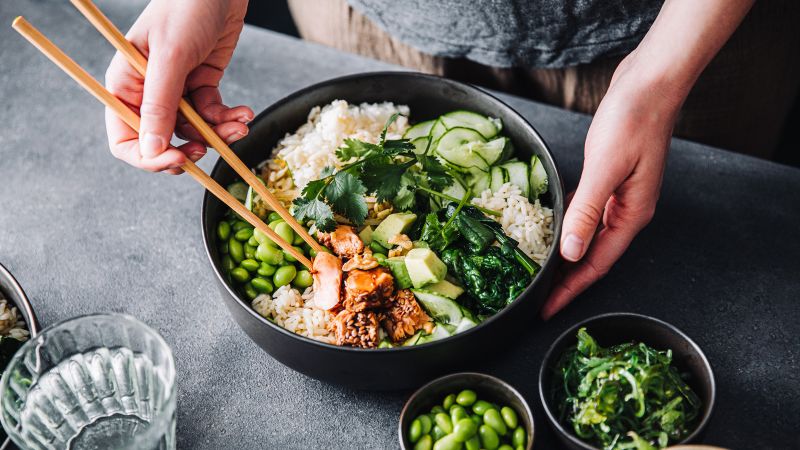
When journalist Kara Swisher visited a South Korean school during lunchtime, she noticed a striking difference in what children were eating. Instead of processed snacks or sugary cereals, students’ plates featured lettuce wraps, radish-chive salads, and seasonal fruits. These meals, she observed, were far from the typical choices her own children might prefer. Yet, the South Korean system ensures that these healthy options are consistently available through a structured approach to nutrition education.
The School Lunch Model: Nutrition as a Daily Practice
South Korean children benefit from a national initiative that provides free meals in schools, designed not just for sustenance but as a tool for teaching healthy habits. Yeonju Kim, a school nutritionist, explained to Swisher how these lunches are tailored to meet both dietary and educational goals. In many households, three out of five families rely on short-order cooks to manage picky eaters, but the school system steps in to ensure children receive balanced nutrition. This institutional support helps counteract the challenges of modern eating habits, which are increasingly linked to chronic health issues.
Data from the Centers for Disease Control and Prevention reveals that nearly half of U.S. children aged 1 to 5 fail to consume a vegetable daily, while a third skip fruits altogether. These statistics, based on parent surveys, indicate a troubling pattern that extends into adulthood. A 2025 study found that almost half of American adults follow poor-quality diets, as measured by the American Heart Association’s primary diet score. This score prioritizes whole grains, healthy proteins, and minimally processed foods, all of which are central to diets like the MIND and Mediterranean patterns—both associated with extended lifespan and reduced cognitive decline risks.
Healthcare Systems and the Prevention Paradox
One of the most notable differences between the U.S. and South Korea lies in their healthcare approaches. Hieun Shin, a journalist with Agence France-Presse covering South Korean life, noted to Swisher that the country’s system emphasizes prevention over treatment. This philosophy is reflected in the frequency of health check-ups, which are routine even for minor issues like a cold or back pain. In the U.S., however, the focus often shifts toward treating diseases after they develop, with physicians incentivized to prioritize procedures over lifestyle interventions.
Dr. Karen Studer, chair of the department of preventive medicine at Loma Linda University School of Medicine, highlighted this disparity. “Physicians are paid for treating disease—thousands of dollars for a heart bypass, but very little for an office visit that addresses lifestyle factors preventing heart disease,” she said. In South Korea, regular visits to healthcare professionals are part of daily life, fostering early detection and proactive management of health risks. This contrast between reactive and preventive care may explain part of the longevity gap.
Community and Activity: Keys to Cognitive Resilience
South Korea’s “SuperAgers”—older adults who maintain cognitive function akin to younger people—attribute their vitality to lifestyle choices. Dr. Geon-Ha Kim, a neuroscientist at Ewha Womans University Medical Center, identified physical exercise, social interaction, and mentally stimulating activities as critical factors. These elements are not just personal habits but are embedded in the cultural fabric, encouraging a lifestyle that prioritizes both physical and mental well-being.
Swisher’s conversation with “Korea Grandma,” Park Mak-rye, a 79-year-old social media star, illustrated how these principles translate into daily life. Park shared her routines, including healthy cooking, skincare, and exercise, alongside a strong network of friends. “I’m with friends laughing all day. There’s no room for sickness,” she remarked. This sense of community appears to be a cornerstone of South Korea’s health strategies, offering a support system that reinforces long-term habits.
Research further supports the link between activity and longevity. A 2023 study found that regular exercise, which elevates heart and breathing rates, can reduce early death risk by up to 40%. Meanwhile, social isolation and loneliness were tied to a 32% higher risk of premature mortality. Beyond physical activity, engaging with arts and culture may also play a role in slowing aging, as suggested by a recent study. These findings underscore the importance of integrating diverse, lifestyle-focused practices into public health frameworks.
Lessons for the United States: A Call for Systemic Change
South Korea’s success in extending lifespans offers a blueprint for the U.S. to adopt. By prioritizing prevention in education, healthcare, and daily life, the country has created a culture that supports long-term health. For instance, school lunches not only nourish children but also instill lifelong habits. Similarly, accessible healthcare encourages early intervention, while community engagement fosters resilience in aging populations.
Swisher’s exploration highlights how these elements can be replicated in the U.S. through policy shifts and cultural adaptations. The challenge lies in transforming a system that rewards treatment over prevention, while also encouraging behaviors that promote healthy aging. As the global population ages, the lessons from South Korea may prove essential in shaping a future where longevity is not just a goal, but a reality for more people.
Whether it’s through dietary changes, increased physical activity, or a focus on preventive care, the path to a longer, healthier life is clear. The U.S. has much to learn from the practices that have made South Korea a leader in this field, and the time to act is now.
