
Border Patrol chief Michael Banks resigns his position
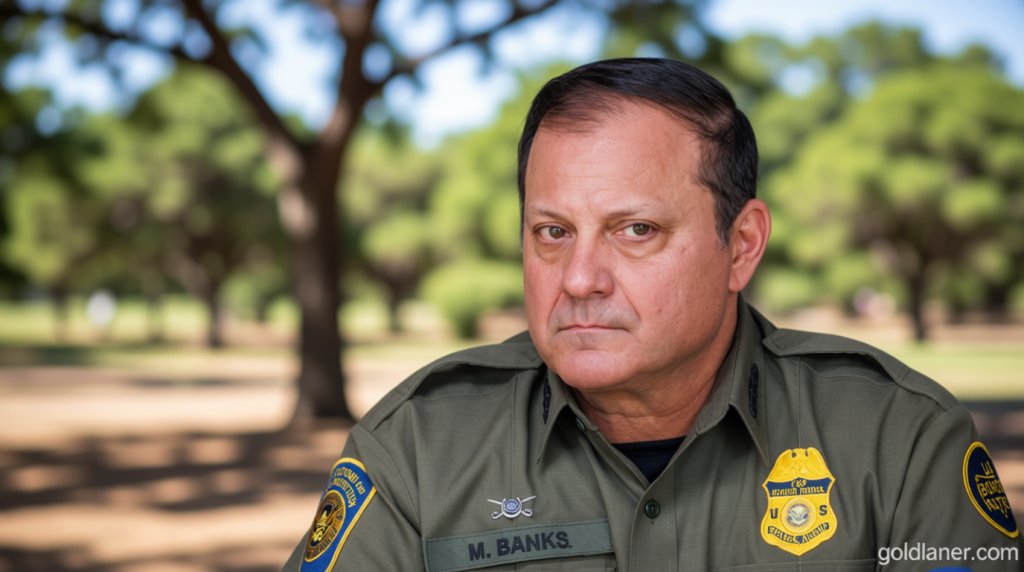
Border Patrol Chief Michael Banks Resigns, Citing Personal Reasons
Border Patrol chief Michael Banks resigns – Michael Banks, the head of the U.S. Border Patrol, announced his resignation on Thursday, effective immediately, according to a statement shared with CNN. This move follows a wave of senior immigration leadership changes within the Department of Homeland Security (DHS) in recent months, with Banks joining a list that includes former Secretary Markwayne Mullin and acting Immigration and Customs Enforcement Director Todd Lyons. The departures have raised questions about the stability of the agency’s management and its alignment with the policies of the current administration.
A Decade of Service Ends with a New Chapter
Banks, who has spent nearly 37 years in public service, expressed pride in his contributions to the Border Patrol during his statement. He highlighted his belief in the agency’s achievements, calling it “the most secure border in the nation’s history.” The decision to resign comes as he prioritizes family time and a more personal life, a sentiment he shared with CNN: “After almost 37 years of dedicated service, now is my time to enjoy family and life.” His tenure as chief marks a pivotal period in the agency’s evolving strategies under the current administration.
“After almost 37 years of public service now is my time to enjoy family and life,” said Banks.
Customs and Border Protection Commissioner Rodney Scott acknowledged Banks’ decision, praising his long-standing commitment to the country. “His decades of service to this nation have been invaluable,” Scott remarked in a statement. Banks’ career within the agency has been marked by leadership roles, including a previous stint as Texas’ border czar. In that capacity, he served as a key advisor to Governor Greg Abbott during the implementation of Operation Lone Star, Texas’ response to what officials described as a critical border situation under President Joe Biden’s leadership.
Operation Lone Star and Trump’s Influence
Operation Lone Star, launched by Texas under Abbott’s direction, became a focal point of national debate. Banks’ involvement in the operation, particularly his coordination with state officials, drew attention and support from President Donald Trump. Trump had appointed Banks as the top Border Patrol official in January 2025, citing his effectiveness in addressing border security challenges. The policy shift under Trump’s administration saw a renewed emphasis on strict border control measures, which Banks helped execute during his time in the role.
“After almost 37 years of public service now is my time to enjoy family and life,” said Banks.
Banks’ leadership also coincided with the appointment of Gregory Bovino as a subordinate official tasked with overseeing the interior immigration enforcement strategy. Bovino’s aggressive approach to detaining undocumented immigrants earned approval from then-Secretary Kristi Noem, who had previously championed similar policies. However, Bovino’s methods sparked internal dissent among Border Patrol agents, who criticized the increased pressure on frontline staff and the operational adjustments required to meet stricter enforcement goals.
A Pattern of Leadership Shifts
Banks’ departure underscores a pattern of high-profile resignations within the DHS in recent months. In March, Trump dismissed Kristi Noem, the agency’s secretary, amid controversies over federal spending on large-scale advertising campaigns and the fatal shootings of two U.S. citizens in Minneapolis by Border Patrol officers. Noem’s removal paved the way for Mullin to assume the role of DHS Secretary, a position he now holds as the central figure of Trump’s immigration priorities.
The chain of resignations continued with Todd Lyons, the acting director of Immigration and Customs Enforcement (ICE), announcing his exit last month. Lyons cited a desire to focus on family life, with his final day set for May 31. His replacement, David Venturella, brings a mix of experience from both public service and private sector roles, having previously worked as an executive at a private prison firm. This transition reflects the ongoing reshuffling of key positions within the DHS as it navigates the complexities of immigration policy.
Political Dynamics and Policy Implications
The resignations have occurred against a backdrop of shifting political tides and internal disagreements within the agency. Banks’ appointment by Trump in 2025 symbolized the administration’s push for a more stringent border enforcement approach, which contrasted with the policies of his predecessors. His resignation, however, may signal a broader realignment of priorities as the current administration seeks to stabilize its leadership structure.
Meanwhile, the role of Gregory Bovino as the architect of the interior immigration crackdown remains a subject of scrutiny. Bovino’s aggressive tactics, which included increased use of detention facilities and streamlined deportation procedures, were endorsed by Noem during her tenure. Critics argue that these measures have strained resources and created tensions within the agency, contributing to the recent wave of departures. Banks’ departure, while personal, has left a leadership vacuum that may further test the cohesion of the DHS team.
Legacy and Future Challenges
As Banks steps down, his legacy is tied to the Border Patrol’s efforts to secure the nation’s borders and implement policies that reflect the priorities of the Trump administration. His work during Operation Lone Star highlighted the intersection of state and federal efforts in addressing migration challenges, a dynamic that has become increasingly significant in recent years.
With three major resignations in a span of two months, the DHS is undergoing a period of transition that could influence its direction in the coming weeks. The agency’s focus on immigration enforcement, border security, and policy implementation remains critical, particularly as it faces ongoing challenges from both domestic and international sources. The replacements for key roles, including Venturella and Mullin, will need to address these complexities while maintaining the agency’s operational effectiveness.
Banks’ decision to resign reflects a broader trend of senior officials seeking new opportunities or personal fulfillment after years of service. His statement emphasized a balance between professional duty and personal well-being, a sentiment that resonates with many in the agency. As the DHS continues to adapt to new leadership, the impact of these changes on immigration policy and border management will be closely watched by policymakers and the public alike.
Experts suggest that the frequent turnover in leadership may signal internal challenges or a strategic shift in focus within the agency. The Border Patrol, a cornerstone of the DHS, plays a crucial role in shaping the nation’s immigration strategy. Banks’ departure could have ripple effects on the agency’s operations, particularly as it prepares for the next phase of its mission under new leadership. The ongoing debate over immigration policy, fueled by these changes, is likely to continue shaping the national conversation in the months ahead.
