
Tracking US wildfires in maps and charts
Tracking US Wildfires in Maps and Charts
Tracking US wildfires in maps and charts – Wildfires have become an increasingly frequent and impactful phenomenon across the United States, consuming millions of acres of land annually and threatening thousands of homes and infrastructure, as noted by the National Interagency Fire Center. CNN provides real-time updates on the nation’s most active fires, along with insights into their environmental consequences. This page is dynamically refreshed throughout the day, offering the latest information on fire locations, intensity, and spread. The current map highlights the largest fires burning at this moment, while a separate list details their specific characteristics. The data underscores the variability in fire activity, as annual figures fluctuate based on regional conditions and seasonal trends.
Dynamic Fire Tracking Tools
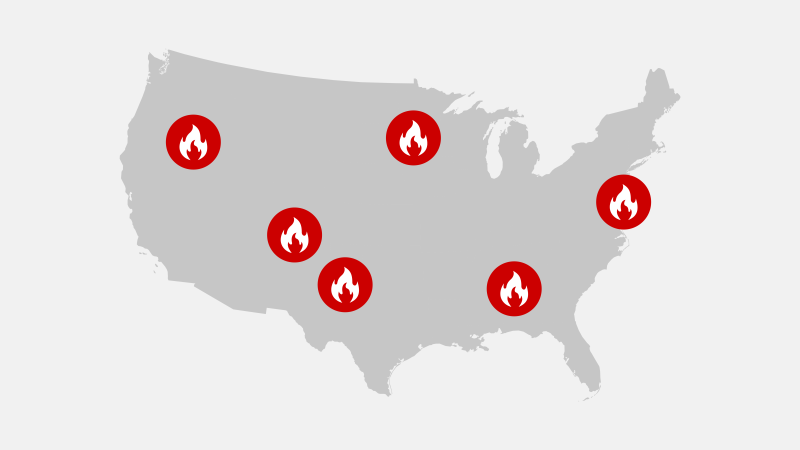
At the heart of this wildfire monitoring system is a specialized map that visually represents the locations of active fires, allowing users to see how blazes are progressing across the country. Complementing this is a chart that compares the current year’s burned acres to historical averages, offering context on whether this season is above or below the norm. These tools are essential for understanding the scale and trajectory of wildfires, which have grown more severe in recent years due to prolonged droughts and rising temperatures. For instance, Western states like California have experienced particularly intense fire seasons, often setting records for the number of acres scorched or the volume of smoke generated.
Climate Change and Fire Season Intensity
Scientists attribute the escalating severity of wildfires to climate change, which has led to warmer temperatures and drier conditions. These factors create an environment where fires ignite more easily and spread rapidly, exacerbating the damage they cause. The National Interagency Fire Center reports that the number of active fires and their geographic reach can shift dramatically from year to year. This variability is influenced by factors such as precipitation patterns, wind conditions, and human activity, all of which contribute to the complex nature of wildfire behavior. In regions like the western United States, the combination of high temperatures and low humidity has made fire seasons longer and more destructive.
The map and chart in this report are not static; they are updated continuously to reflect the latest developments. For example, the current map shows the extent of fires in real time, while the chart includes annual statistics that are adjusted as new data becomes available. These updates are crucial for tracking trends and assessing the long-term impact of climate change on fire activity. The map also integrates satellite imagery from the NOAA Hazard Mapping System to identify smoke plumes and affected areas, providing a comprehensive view of the crisis.
Health Impacts and Air Quality Monitoring
Wildfire smoke poses significant health risks, particularly for individuals with respiratory conditions or those living in close proximity to burning areas. Fine particulate matter, known as PM2.5, is a key concern, as it can penetrate deep into the lungs and cause long-term damage. To help residents navigate these risks, CNN’s tracking system includes a table that updates the Air Quality Index hourly at hundreds of locations nationwide. This data is sourced from AirNow.gov and is critical for making informed decisions about outdoor activities or health precautions during smoky periods.
Public health officials emphasize the importance of monitoring local air quality, especially in areas where wildfires are active. They recommend using tools like the Air Quality Index to determine safe levels of exposure to smoke. The chart, which compares the current year’s burned acres to past records, also serves as a reminder of the growing threat posed by these fires. For example, the data shows that the number of acres burned in the U.S. has consistently increased over the past decade, with certain regions bearing the brunt of this trend.
Data Methodology and Contributions
The accuracy of this wildfire tracking system relies on data collected from multiple sources. The National Interagency Fire Center compiles weekly situation reports that form the basis of the annual statistics, though these figures may be revised during the year to reflect more precise information. Additionally, the map and table exclude fires that have been active for over 30 days, those smaller than 10 acres, and fires that are fully contained or part of prescribed burn efforts. This ensures that the data focuses on the most significant and ongoing threats to communities and ecosystems.
Smoke areas associated with fires are determined using satellite data from the NOAA Hazard Mapping System, which tracks the movement of particulate matter across the country. The population figures displayed in the tracking tools are derived from a spatial analysis of the 2020 US Census data, combined with the boundaries of current National Weather Service fire weather watches and red flag alerts. This approach allows for a more accurate representation of the number of people potentially affected by wildfire smoke. The information is further refined by considering geographic coordinates to pinpoint the exact locations of fires and their corresponding smoke plumes.
Behind the scenes, the creation of these resources involves a team of experts. Senior data and graphics editor Sam Hart, alongside interactive developer Curt Merrill, has played a key role in presenting the information clearly and effectively. Their work ensures that the public can access up-to-date visualizations and data analyses to understand the scale of the wildfire crisis. The map and chart are part of a broader effort to raise awareness about the environmental and health impacts of fires, as well as to support emergency response planning.
It is important to note that the data may occasionally have gaps due to factors such as government shutdowns or report anomalies. These disruptions can affect the completeness of the information, but the tracking system continues to provide valuable insights into the current state of wildfires. The goal is to offer a reliable snapshot of the situation, helping residents and officials make timely decisions to mitigate risks and protect communities. As the fires continue to evolve, so too will the tools used to monitor them, ensuring that the public remains informed about this critical issue.
Understanding the Data Sources
The foundation of this tracking system lies in the National Interagency Fire Center, which aggregates data on fire activity from various agencies and sources. The map updates throughout the day, incorporating the latest fire locations and statuses. The chart, on the other hand, provides a historical perspective by comparing the current year’s burned acres to those of the past five years. This context helps identify whether the fire season is part of a longer-term trend or an isolated event. The chart’s data is adjusted as new information becomes available, ensuring that the figures remain as accurate as possible.
Location names in the tracking system are based on established geographic boundaries, including US county lines and Canadian census divisions. This method ensures consistency in identifying regions affected by wildfires. For example, the map may display a fire in a specific county, while the chart provides a broader regional analysis. The integration of satellite data and ground-based observations allows for a more detailed understanding of fire behavior, smoke dispersion, and the areas most vulnerable to the effects of wildfires. These tools are designed to serve as a central
