
Pope Leo faces first major crisis of papacy from rebel Catholic group
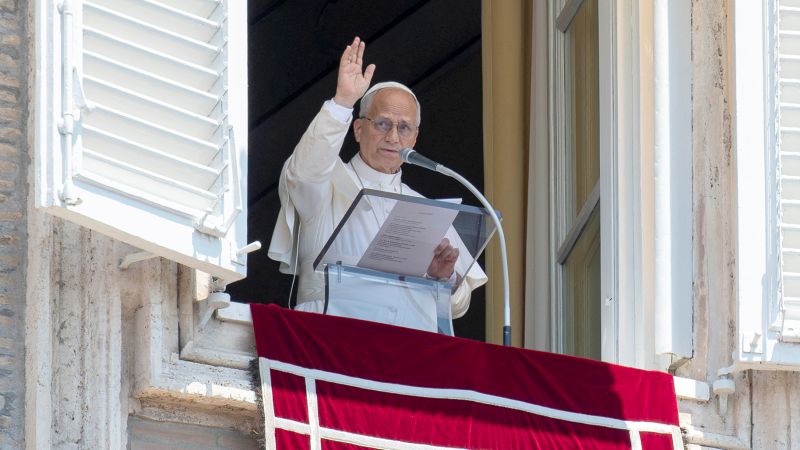
Pope Leo XIV Confronts Breakaway Catholic Group in First Major Papal Challenge
Pope Leo faces first major crisis – Just over a year into his papacy, Pope Leo XIV has launched an urgent entreaty to a traditionalist faction within the Catholic Church, warning that their upcoming bishop ordinations would constitute a “sin of extreme gravity.” The Society of Saint Pius X (SSPX), a group opposing modern reforms, is set to consecrate four new bishops at its seminary in Écône, Switzerland, on Wednesday. This action threatens to fracture the church’s unity, as Pope Leo insists the ordinations would be schismatic, potentially excommunicating the new bishops from the sacraments.
A Legacy of Resistance
The SSPX, founded in 1970 by French Archbishop Marcel Lefebvre, has long resisted the changes introduced during the Second Vatican Council. The group’s core belief is that the Catholic Church has strayed from its traditional roots, particularly with the introduction of vernacular Masses in languages other than Latin. Five years after its establishment, the SSPX was officially suppressed by the Bishop of Fribourg, yet it persisted, evolving into a significant force in conservative Catholic circles.
Under Lefebvre’s leadership, the SSPX has rejected key Vatican II reforms, including teachings on religious freedom and ecumenism. The group also disputes the council’s stance on antisemitism, which was formally condemned as a major reform. These principles form the foundation of their opposition, leading them to argue that the church is in a “state of emergency” due to the spread of liberal and “modernist” ideas. To address this, they have published a 28-page “profession of Catholic faith” in recent days, aiming to clarify their doctrinal position and counter perceived modern errors.
Pope’s Plea for Unity
In an 11th-hour letter, Pope Leo XIV urged the SSPX to reconsider their actions, emphasizing the importance of maintaining the seamless structure of church authority. “I pray for you, because to tear the seamless garment of Christ is a sin of extreme gravity. May the Lord enlighten your consciences and awaken your hearts,” he wrote. This message underscores the pope’s commitment to unity, a priority he has stressed since assuming office.
“I plead with you and ask you with all my heart: please turn back!”
For the SSPX, the ordination of bishops without papal approval is a necessary step to preserve their vision of Catholic worship. They believe this measure is essential to prioritize the salvation of souls, a doctrine they view as under threat from contemporary changes. The group’s actions are seen as a direct challenge to the pope’s authority, as bishops are expected to act as spiritual leaders under his guidance.
Cardinal Blase Cupich of Chicago, a trusted advisor to Pope Leo, highlighted the risks of this conflict. “The danger is the setting up of a parallel structure within the ecclesial body of the church,” he said. The cardinal noted that the pope has engaged in multiple efforts to reconcile with the SSPX, including invitations for dialogue. Despite these overtures, the group has remained resolute, advancing their preparations for the ordinations.
A Global Presence with Local Roots
The SSPX, though relatively small in scale compared to the Roman Catholic Church’s 1.4 billion members and 400,000 priests, maintains a notable presence in the United States. Its headquarters in Missouri and a seminary in Dillwyn, Virginia, serve as key hubs for training priests and organizing their mission. One of the bishops set to be ordained on Wednesday, Father Michael Goldade, oversees this seminary, further intertwining the group’s activities with the American Catholic landscape.
Historically, the SSPX’s defiance has led to significant consequences. In 1988, the group ordained four bishops without papal consent, resulting in their excommunication. This event marked a turning point, as it demonstrated the group’s willingness to challenge Vatican authority. However, in 2009, Pope Benedict XVI reversed this decision, lifting the excommunications to foster reconciliation. Despite this, one of the bishops, Richard Williamson, later faced scrutiny for falsely claiming that Nazis did not use gas chambers during the Holocaust. Williamson’s conviction by a German court led to his expulsion from the SSPX, a reminder of the group’s internal challenges.
The Path Forward
Pope Leo XIV has remained open to dialogue but is acutely aware of the boundaries regarding the impending ordinations. In a June 16 interview with journalists, he stated, “If they make that choice, I am sorry, but we must move forward.” This sentiment reflects the pope’s determination to uphold the church’s unity, even as he acknowledges the complexity of the situation.
The SSPX’s preparations for the ordinations are well underway, with a dedicated website outlining four days of events leading up to the ceremony. Among the offerings is a 75 Swiss Franc souvenir box containing four bottles of wine, a gesture intended to engage supporters and symbolize the group’s identity. While the event may seem modest in scale, its symbolic weight is considerable, representing a potential divide within the Catholic Church.
Despite their size, the SSPX’s influence extends beyond numbers. Their actions are viewed as a test of the pope’s authority and a challenge to the church’s evolving structure. For Pope Leo, this crisis marks a pivotal moment in his papacy, requiring a delicate balance between firmness and diplomacy. The outcome of this confrontation will likely shape the future of Catholic unity and the group’s role within the broader ecclesiastical framework.
