
Central banks think the US has become riskier. They plan to sell dollars and buy gold
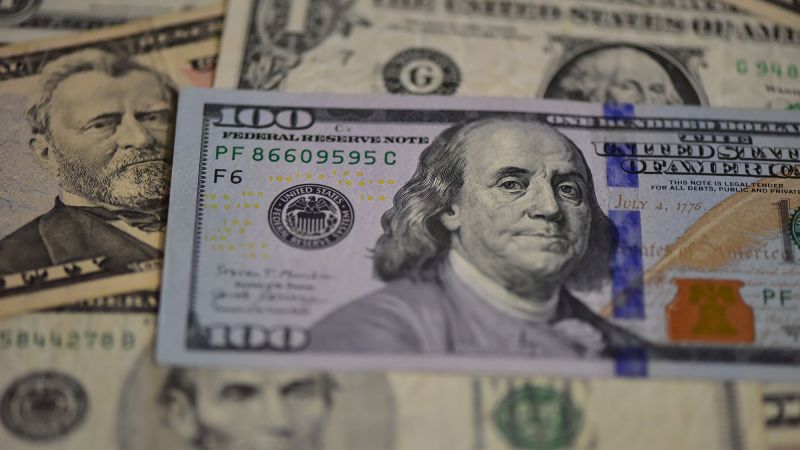
Central Banks Diversify: US Risks Prompt Dollar Sell-Off and Gold Buy
Central banks think the US has become a more uncertain player on the global stage. In response, institutions are increasingly shifting their reserves from the US dollar to gold, as reported in a recent survey by the Official Monetary and Financial Institutions Forum (OMFIF). This marks a significant departure from previous trends, where dollar allocations were typically expanded. The data, collected between March and May, reveals a growing consensus among central banks that the US economy’s instability is now a major factor in their foreign exchange strategies.
Survey Reveals Rising Doubts About Dollar’s Role in Global Reserves
The OMFIF survey, which includes responses from 74 central banks, highlights a critical shift in the allocation of foreign exchange reserves. For the first time since 2023, the number of institutions planning to reduce their dollar holdings exceeds those aiming to increase them. While the dollar still accounts for roughly 58% of global reserves, this trend signals a long-term reevaluation of its role as the dominant reserve currency.
“Geopolitical tensions have overtaken domestic economic factors in shaping central banks’ views on the dollar, with 51% now prioritizing gold as a strategic asset,” the report states.
Analysts note that this change is fueled by a combination of factors, including the US’s growing involvement in global conflicts and its unpredictable trade policies. The report suggests that central banks are no longer just reacting to market fluctuations but proactively adjusting their portfolios to mitigate risks. This approach is gaining traction, with the euro and other currencies emerging as attractive alternatives to the dollar.
Gold Gains Strategic Importance Amid Dollar Uncertainty
Central banks think the US has become a source of geopolitical volatility, which has pushed gold to the forefront of their investment strategies. The percentage of institutions increasing gold reserves has risen by 11% since 2024, reaching a record high of 51%. This surge is attributed to the dual pressures of inflation, sanctions, and the increasing risk of economic disruption in the US, all of which have diminished confidence in the dollar’s reliability as a store of value.
“The rise in gold demand reflects a broader strategy to hedge against uncertainties in the US-led financial system,” the OMFIF analysis emphasizes.
Gold is not only seen as a safe haven but also as a means to reduce dependency on fiat currencies. The shift is particularly notable in regions affected by US policy shifts, such as the Middle East and Asia, where gold’s role in stabilizing economies has grown. This trend is expected to continue as central banks prioritize resilience over short-term gains.
Emerging Currencies and the Euro Rise in Appeal
While the dollar and gold dominate the narrative, other currencies are also gaining attention. Central banks think the US has become riskier, leading to a broader diversification strategy that includes the Singapore dollar, South Korean won, and South African rand. These alternatives are being explored for their stability and the unique economic advantages they offer, such as the Singapore dollar’s role in Southeast Asian trade.
Meanwhile, the euro is emerging as a strong contender in global trade. Two-thirds of surveyed institutions now favor the euro over the dollar, a sharp increase from 43% last year. Germany’s central bank director, Karsten Stroborn, highlighted the euro’s growing prominence in international debt markets and its dominance in green bond issuance as key indicators of this shift. These developments suggest a reconfiguration of global financial systems, where the euro is increasingly seen as a stable alternative to the dollar.
Long-Term Implications for US Dollar Dominance
Central banks think the US has become riskier not just in the short term but over the long haul. The decline in dollar allocations, now at a two-decade low, signals a fundamental reassessment of the currency’s role in international finance. This trend could weaken the dollar’s global influence, particularly if sustained by a consensus among major economies. The report notes that while the dollar remains the most widely held currency, its share is expected to decrease as more central banks invest in alternatives.
“The continued reduction in dollar holdings reflects a strategic move to insulate economies from US-specific risks,” according to the OMFIF findings.
As central banks think the US has become riskier, the de-dollarization phenomenon is accelerating. This shift has broader implications, potentially altering trade dynamics and financial agreements. The report underscores that the transition to a more diversified reserve system is not just a reaction to US policies but a proactive step toward long-term economic stability and resilience.
