
Ebola response worker who traveled from DRC to France is first in outbreak to test positive outside of Africa
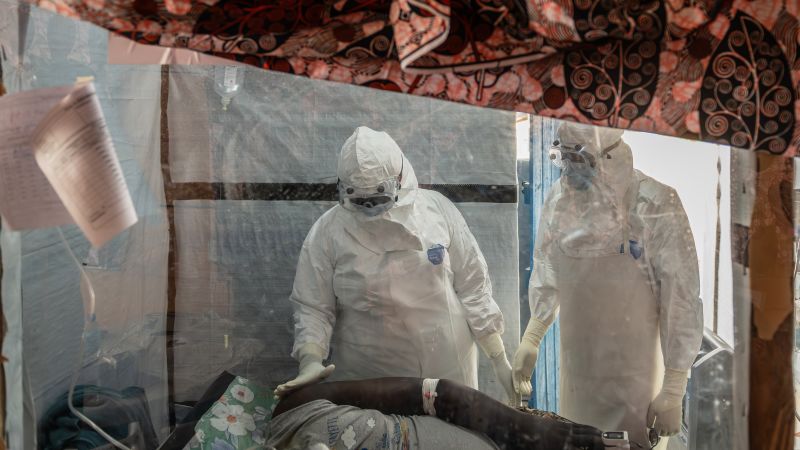
France Confirms First Ebola Case Outside Africa Amid DRC Outbreak
Ebola response worker who traveled – A French health official confirmed the first documented case of Ebola in Europe, involving a worker who traveled from the Democratic Republic of the Congo (DRC) during a humanitarian mission. The individual, identified as an Ebola response worker who traveled, tested positive for the virus shortly after arriving in France, marking a critical development in the ongoing second large outbreak in the DRC. This case highlights the virus’s ability to cross continents and intensifies global efforts to monitor and contain its spread. The patient is currently in stable condition and has been isolated in a specialized facility to prevent further transmission.
Outbreak Context and Strain Details
The current Ebola outbreak in the DRC, driven by the Bundibugyo strain, has led to significant public health challenges. This variant, though less deadly than the Zaire strain, poses difficulties due to its rapid spread and limited treatment options. As of recent reports, over 1,000 confirmed cases have been recorded in the DRC, with at least 277 fatalities. The worker who traveled from the DRC to France is the first to be diagnosed with the virus outside Africa, underscoring the need for enhanced vigilance in international health protocols. Health officials note that the strain’s symptoms and transmission patterns differ, requiring tailored response strategies.
French authorities have emphasized swift action to manage the case, including immediate isolation and monitoring of contacts. The ministry stated that the worker who traveled had been in close contact with infected individuals during their mission, increasing the risk of cross-border transmission. While the general risk to the European population remains low, the incident serves as a reminder of the virus’s potential to spread beyond Africa. Public health measures, such as quarantine and testing, are being scaled up to address this emerging concern.
Global Response and Precedent Cases
Earlier this year, another instance of Ebola transmission to Europe occurred when an American doctor contracted the virus in the DRC and was treated in Germany. The worker who traveled from the DRC to France follows in the footsteps of this case, reinforcing the importance of preparedness among European countries. The European Centre for Disease Prevention and Control (ECDC) had previously warned that the risk of Ebola infection in Europe is “very low,” but the latest case has prompted renewed focus on travel-related health risks. This development also highlights the role of international aid workers in the virus’s global movement.
The World Health Organization (WHO) has noted that while the outbreak in the DRC is severe, the global spread of the virus remains contained. The worker who traveled represents a rare but significant event, as fewer than 30 cases have been reported outside Africa since the first outbreak decades ago. WHO officials stressed that the focus must remain on rigorous contact tracing and containment efforts in the DRC, where the outbreak continues to grow. The organization is working to expand its response, including the deployment of medical teams and resources to affected regions.
“The emergence of this case in France is a testament to the virus’s evolving reach,” said Dr. Chikwe Ihekweazu, WHO’s Hub for Pandemic and Epidemic Intelligence. “We must continue to trace all contacts to prevent further spread.”
French health agencies have also announced that trials for two antivirals will begin next week, offering potential new treatments for the Bundibugyo strain. The worker who traveled is part of a broader pattern of cases that have prompted increased investment in medical research and response capabilities. While the outbreak in the DRC remains the primary concern, this case in France has heightened awareness of the virus’s international impact and the importance of maintaining strict infection control measures at borders.
