Judge says Trump DOJ subpoenas of Tim Walz and other Democrats are unconstitutional

Judge Rules Trump DOJ Subpoenas Unconstitutional
Judge says Trump DOJ subpoenas of Tim – A federal judge has ruled that the Trump Justice Department’s subpoenas of Minnesota Governor Tim Walz and other Democratic officials are unconstitutional, marking a pivotal moment in the legal battle over federal authority. The decision, issued by Judge Patrick Schiltz, invalidates the subpoenas as an overreach aimed at intimidating state leaders for their political opposition to the administration’s immigration policies. This ruling highlights growing concerns about the use of legal tools to target individuals for partisan reasons, adding to a series of judicial challenges against the DOJ’s investigative tactics.
Subpoenas Seen as Political Weapon
Schiltz’s 30-page ruling argues that the Justice Department’s subpoenas were not part of a genuine criminal inquiry but rather a strategy to pressure officials who had resisted Trump’s immigration enforcement. The judge emphasized that the subpoenas were issued to “harass and retaliate” against Democratic leaders for their public criticism of the Trump administration’s aggressive tactics, which included mass detentions of undocumented immigrants. The decision voids all subpoenas targeting Walz, Attorney General Keith Ellison, Minneapolis Mayor Jacob Frey, St. Paul Mayor Kaohly Her, and local officials in Ramsey and Hennepin counties.
Documents requested through these subpoenas focused on whether state officials obstructed immigration enforcement by opposing the deployment of thousands of agents during the Trump era. Schiltz found that the DOJ’s actions lacked a clear, lawful justification, as they were motivated by political intent rather than concrete evidence of wrongdoing. “The Department is not conducting a criminal investigation,” the judge wrote, “but is using the grand jury process for other (unlawful) purposes.” This reasoning underscores the tension between federal power and state autonomy in enforcing immigration laws.
Immigration Crackdown as Catalyst
The legal dispute stems from the Trump administration’s winter immigration surge in the Twin Cities, which deployed over 4,000 agents to arrest undocumented immigrants. This operation, linked to the Department of Homeland Security, sparked widespread protests and resulted in the deaths of two U.S. citizens. State officials, including Walz and Frey, criticized the effort as excessive and discriminatory, while Trump accused them of inciting violence and hindering federal law enforcement. The DOJ’s subpoenas were intended to extract records from these officials, framing their resistance as obstruction.
Schiltz’s ruling cited “overwhelming” evidence that the subpoenas were targeted at officials who opposed the administration’s policies. The judge noted that the DOJ could not provide a specific reason for focusing on Minnesota, despite repeated threats against “sanctuary” states. This lack of a plausible legal justification led to the conclusion that the subpoenas violated the constitutional separation of powers, giving states the right to control how they allocate resources for federal law enforcement.
Constitutional Concerns and Judicial Precedents
At the heart of the ruling is the argument that the Constitution grants states autonomy in deciding how to support or resist federal immigration enforcement. Schiltz emphasized that Minnesota’s policies were a matter of state discretion, not federal mandate. The decision aligns with previous rulings questioning the DOJ’s use of subpoenas to investigate political opposition, reinforcing the idea that the administration is leveraging legal processes for partisan advantage. This case adds to a growing trend of judicial scrutiny of Trump-era investigations.
“The Constitution expressly allows Minnesota to decide not to devote its resources to enforcing federal immigration law,” Schiltz wrote. This statement echoes broader legal debates about federal overreach, particularly in the context of the Trump administration’s efforts to intimidate Democratic officials. The ruling also signals that judges are increasingly willing to challenge the DOJ’s tactics, even as the department continues to assert its authority in the case.
DOJ Defends Subpoena Strategy
Despite the ruling, the Justice Department has defended its subpoena approach, stating it remains committed to investigating potential obstruction of federal immigration enforcement. In a Monday statement, the DOJ reiterated that the subpoenas were necessary to gather evidence of Democratic resistance to the administration’s policies. While acknowledging the judge’s decision, the department maintains that the legal process is essential for holding officials accountable for their actions.
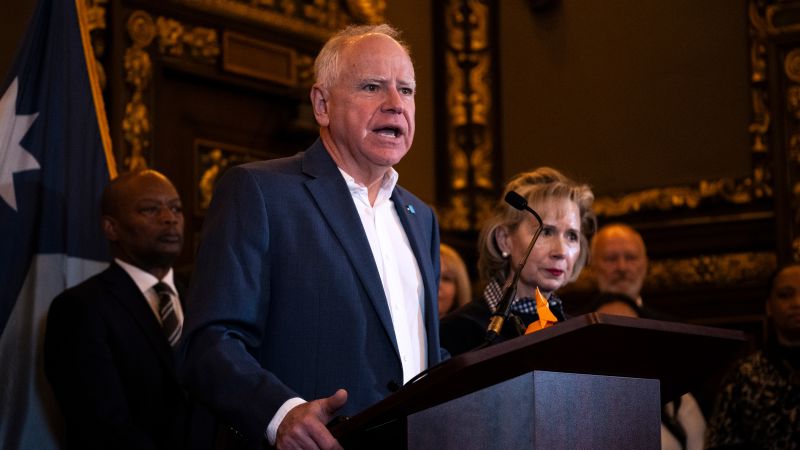
Minnesota Governor Tim Walz praised the ruling, calling it a victory for constitutional rights and state autonomy. He argued that the DOJ’s subpoenas were an attempt to “politicize” the immigration enforcement process, which he believes should remain a matter of federal discretion. The decision has sparked discussions about the balance of power between federal and state governments, with legal experts noting its implications for future investigations targeting political opponents.