Exclusive: Trump administration plans to use homeland security funds to pressure states into election changes

Exclusive: Trump Administration Uses Homeland Security Funds to Influence Elections
Exclusive: The Trump administration has outlined plans to utilize homeland security grants as a tool to sway state election practices, according to newly released documents and multiple confirmed sources. This strategy involves attaching new conditions to over $1 billion in annual funding, which states use to enhance election security, safeguard infrastructure, and prepare for emergencies. States that do not align with these federal priorities could see up to 20% of their allocated funds withheld—a measure designed to push for election reforms that favor the administration’s agenda.
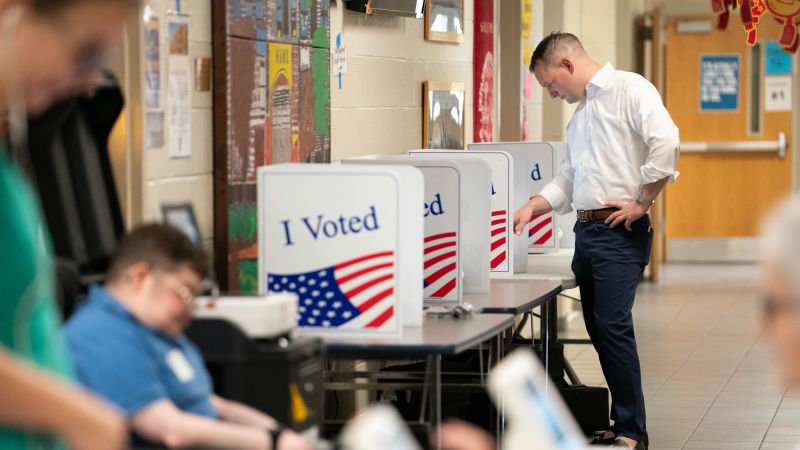
Exclusive: The proposed changes target the operational methods of state elections, including mandating manual voting processes and stricter scrutiny of voter eligibility. Under the new guidelines, states must transition from electronic voting systems to hand-marked paper ballots, phase out ballot-marking machines, and implement comprehensive audits aligned with the administration’s standards. Additionally, all states receiving funds will be required to cross-reference their voter rolls with the Department of Homeland Security’s SAVE database, ensuring every voter is verified as a U.S. citizen. Critics argue these measures could disproportionately impact minority voters and complicate election logistics.
Federal Funding as a Political Tool
Exclusive: While the administration frames the policy as a response to voter fraud, opponents claim it is a calculated effort to expand federal oversight. Studies indicate that voter fraud is rare, yet the strategy positions election integrity as a national security concern. By linking funding to election procedures, the administration aims to centralize control over state electoral systems, a tactic previously used in immigration and diversity initiatives. Legal challenges are expected as states grapple with the implications of these new mandates.
Exclusive: The revised rules demand that states meet specific federal criteria to retain their grants. These include adopting audit methods approved by the administration and committing to eliminate electronic voting systems entirely. The SAVE database will also be used to verify the citizenship of individuals working at polling stations. For states that resist, the financial penalties could total millions in lost security funds, creating a strong incentive to comply with federal demands.
“No changes to grant requirements or funding distributions are official until they are formally announced and published through proper, authorized agency channels,” stated a DHS spokesperson. “Any recipient of federal funding should expect accountability for how taxpayer dollars are spent.”
Legal Challenges and Constitutional Concerns
Exclusive: Legal analysts predict that the new requirements will face swift judicial scrutiny. The Constitution grants states authority over conducting elections, and courts have historically upheld this power. “I expect the new rules will be blocked in the courts,” said David Becker, a former Justice Department lawyer now advising election officials. The administration’s approach could be seen as overstepping its role, potentially violating state autonomy in electoral matters.
Exclusive: The SAVE system, which checks voter eligibility against a citizenship database, has been criticized for its potential to misclassify eligible voters as noncitizens. Even though many states already use SAVE, the requirement to apply it universally could create logistical hurdles and increase the risk of errors. States dependent on electronic voting systems, such as Delaware, Georgia, Nevada, South Carolina, and Los Angeles County, may struggle with the transition to hand-marked ballots. Despite these concerns, the administration insists the shift will improve transparency and reduce the possibility of election discrepancies.
Exclusive: The rollout of these updated guidelines is set to occur later this month, signaling a significant shift in federal election policy. Previously, states were required to allocate only 3% of homeland security funds to election security, but the new mandates impose stricter conditions. The strategy aligns with the Trump administration’s broader use of federal resources to influence state-level decisions, raising questions about the balance between federal authority and state sovereignty in the electoral process.