
‘What else do we have?’ Maine Democrats signal they’ll stick with Graham Platner, some with regret
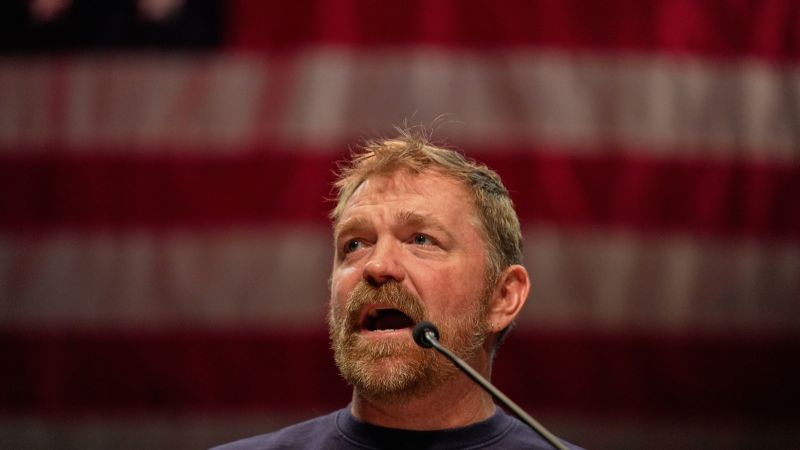
What Else Do We Have? Maine Democrats Stand by Graham Platner Amid Controversies
The Campaign’s Resilience
What else do we have Maine – Despite mounting scrutiny over his personal conduct, Graham Platner remains the Democratic Senate nominee in Maine’s upcoming primary. The question “What else do we have?” has echoed among voters, reflecting both loyalty and skepticism toward the candidate. While some are troubled by recent scandals, others believe Platner’s candidacy is still the best option to challenge Susan Collins, the Republican incumbent. This internal debate underscores the Democrats’ struggle to balance character concerns with the urgency of securing a Senate majority in November.
Scandals and Scrutiny
Platner’s campaign has faced intense scrutiny since allegations emerged about his past relationships. Ex-girlfriends have described “toxic” dynamics, including claims of heavy drinking, infidelity, and demeaning behavior. One account even mentioned physical intimidation, adding to the controversy. Meanwhile, his Nazi-themed tattoo—now partially covered—has sparked debates about his awareness of its symbolism. Platner’s team insists he disputes the physical accusations and was unaware of the tattoo’s background before launching his campaign.
“I’m going to vote for him, yeah, but I don’t like it. I’m not in favor of all that s**t,” said Sandra Braden, a voter expressing mixed feelings about Platner’s candidacy. “What else do we have, right?”
These scandals have not deterred all supporters. Some argue that Platner’s commitment to Maine’s working-class roots and his ability to challenge Collins outweigh his personal flaws. However, the controversy has also highlighted divisions within the Democratic Party, with critics questioning whether the candidate has truly evolved. His presence in the race continues to draw both praise and concern, shaping the narrative of the Democratic primary.
Voter Perspectives
Woody Hayward, another voter, admitted the controversies are troubling but emphasized Platner’s potential. “Reports about his tattoo and past behavior are hard to ignore,” Hayward noted. “But what else do we have, right? His vision for the state seems more compelling than the alternatives.” Meanwhile, Zoo Cain, a prominent Democratic figure, defended Platner by comparing his baggage to that of the state’s establishment. “He’s got some baggage, but it’s less than the alternative,” Cain said, highlighting Platner’s energy and relatability.
Platner’s resolve to stay in the race has been reinforced by his personal commitment. In an interview with MS NOW, he stated, “It has never crossed our mind to drop out of this thing. I’m fully committed till the end.” His wife, Amy, echoed this sentiment, suggesting the couple’s shared determination could help him overcome challenges. National Democrats, who have limited influence in Maine, may struggle to sway public opinion as the state’s top recruit, Governor Janet Mills, has suspended her campaign to support Platner.
Strategic Campaign Moves
To solidify his position, Platner’s team is ramping up public appearances. A town hall in Portland is scheduled for Sunday, and a virtual event next Wednesday has already been planned. These efforts aim to address doubts and rally support, especially as the race against Susan Collins is seen as critical for Democrats’ broader ambitions. A victory in Maine could help them secure four Republican-held Senate seats in November, making Platner’s persistence a key factor in the party’s strategy.
As the primary approaches, the Democratic Party finds itself at a crossroads. Platner’s campaign has become a test case for how much voters are willing to overlook personal scandals in favor of political momentum. Whether the answer to “What else do we have?” lies in his continued candidacy or a shift toward other contenders remains uncertain, but the race is shaping up to be a defining moment for Maine’s Democratic hopes.
