
Trump’s inevitable clash with congressional Republicans has arrived. What happens next?
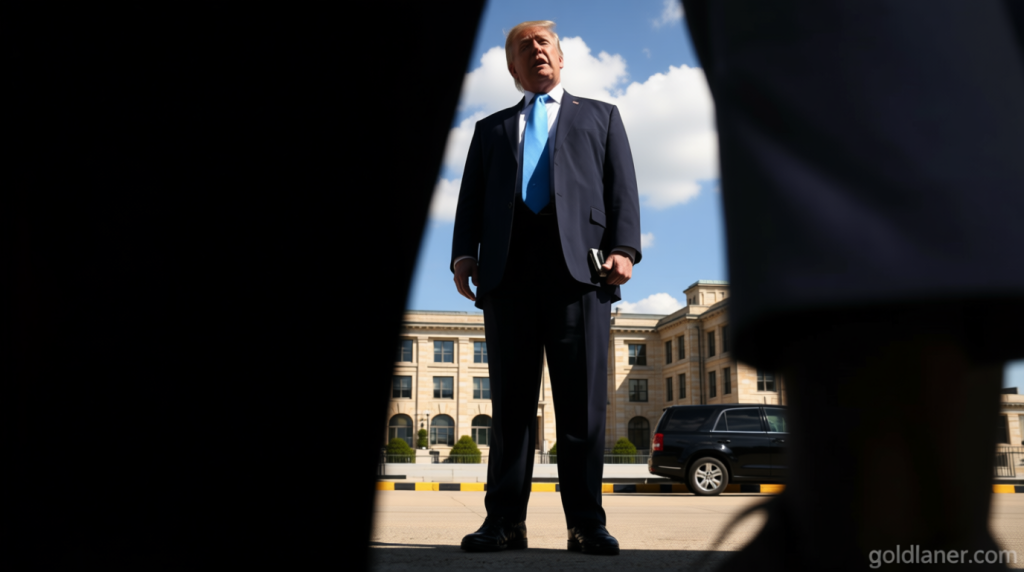
Trump’s inevitable clash with congressional Republicans has arrived. What happens next?
Trump s inevitable clash with congressional – The growing tension between President Donald Trump’s leadership and the U.S. Senate GOP has reached a critical point. After years of Trump prioritizing his own agenda over party cohesion, the once-loyal congressional Republicans are now pushing back against his latest moves. This week’s developments highlight a breaking point, as the president’s bold initiatives clash with the strategic concerns of his party’s lawmakers. With the 2026 midterms approaching, the GOP faces a pivotal challenge in balancing Trump’s influence with the need to secure key victories.
Trump has largely ignored his declining approval ratings and polls indicating a Democratic advantage in the November elections. His recent actions, including the Iran war, the controversial ballroom project, and a $1.776 billion “anti-weaponization” fund, have sparked internal discord. The fund, which rewards individuals who attacked police during the January 6, 2021, riots, has drawn sharp criticism from Senate Republicans. Despite the White House’s defense of the initiative, lawmakers have labeled it as “stupid on stilts,” “unexplainable,” and “utterly stupid, morally wrong.”
As tensions escalated, the Senate GOP left Washington without resolving Trump’s immigration enforcement bill. This decision reflects a shift in their approach, with some senators openly questioning the bill’s alignment with their party’s interests. Senate Majority Leader John Thune has subtly acknowledged the widening gap between the White House and his congressional counterparts. While Trump did not deny the possibility of losing control of the Senate GOP, he issued defensive statements on Friday, addressing both the fund and his standing among lawmakers.
But the real test lies in how the party navigates the next six months. With midterms looming, Republicans must decide whether to maintain their alliance with Trump or risk alienating voters. The White House, however, is unlikely to back down easily. Trump’s unwavering stance on issues like the ballroom funding and the anti-weaponization fund signals his determination to push forward, even if it costs the GOP political capital.
Trump’s “math problem” has become more pronounced. While Republicans hold 53 Senate seats, the president faces internal resistance from moderates like Sens. Lisa Murkowski of Alaska and Susan Collins of Maine. Collins, in particular, is running in a competitive state, adding pressure to support more palatable policies. Retirees such as Sen. Thom Tillis of North Carolina and Mitch McConnell of Kentucky, who have been vocal critics of the fund, further complicate the landscape. Their strong statements have underscored the GOP’s growing unease with Trump’s decisions.
Recent primaries have only intensified the conflict. Trump’s removal of Sen. Bill Cassidy from the race in Louisiana has left a former critic free to challenge his policies. Cassidy, who once voted to convict Trump during his impeachment trial, now has the opportunity to distance himself from the president’s leadership. Similarly, if Sen. John Cornyn of Texas loses to Trump-endorsed candidate Ken Paxton, another ally could emerge as a potential adversary. These developments suggest a pattern of Trump’s actions creating new political obstacles within his own party.
In a Friday morning post, Trump directly targeted Sen. Thom Tillis, calling him a “RINO” (Republican in Name Only) for potentially opposing his proposals. “Now he can have all the fun he wants for a few months, with some of his RINO friends, screwing the Republican Party,” he wrote. This remark highlights the president’s frustration with lawmakers who prioritize party survival over his vision. Yet, it also reveals a strategic dilemma for the GOP: how to reconcile Trump’s popularity with the need for policy flexibility.
“Stupid on stilts,” “unexplainable,” and “utterly stupid, morally wrong” were some of the choice words.
The Senate parliamentarian’s ruling on the ballroom funding adds another layer to the conflict. The president’s request for hundreds of millions to secure the project cannot be included in the immigration bill, which only requires a simple majority. This means the funding’s passage depends on Republican support, yet it remains uncertain. The GOP’s loyalty to Trump has been tested, and while many remain steadfast, the possibility of dissent is growing.
With the midterm elections as a looming deadline, the GOP must act swiftly. Lawmakers are now considering ways to limit the anti-weaponization fund’s impact, such as prohibiting payments to January 6 rioters. However, the White House has signaled it will not accept such compromises, leaving the party to choose between ideological consistency and electoral pragmatism. The outcome will determine whether Trump’s agenda prevails or if his congressional allies find a way to temper his influence.
Historically, the GOP has caved to Trump’s demands, but this situation may be different. Senate Republicans’ decision to leave town without a resolution suggests a willingness to prioritize their own interests. This shift could lead to a more fragmented party, with individual lawmakers taking calculated risks to oppose Trump’s initiatives. The potential for such divisions raises questions about the GOP’s ability to unite behind a common platform in the run-up to the midterms.
Trump’s strategy of pushing through unpopular policies while maintaining his base has worked in the past. However, the current political climate demands more nuance. His actions, though bold, risk alienating moderate Republicans who are crucial for maintaining Senate control. The president’s inability to address these concerns could result in a loss of key seats, undermining his influence in Washington. Yet, the GOP’s survivalist approach may also mean they are willing to endure short-term setbacks for long-term gains.
As the race for 2026 intensifies, the balance of power within the Republican Party will shape the nation’s political future. Trump’s continued dominance, despite internal friction, underscores his ability to mobilize his base. However, the party’s growing independence may lead to a more dynamic and divided GOP, forcing difficult choices in the final stretch of the campaign. Whether this clash culminates in a decisive shift or a temporary stalemate remains to be seen, but the stakes have never been higher for the party’s future.
