
A PDF let the internet hear the final words in the cockpit of a UPS plane as it crashed. The NTSB now wants it taken down
A PDF let the internet hear the final words in the cockpit of a UPS plane as it crashed. The NTSB now wants it taken down
A PDF let the internet hear – The National Transportation Safety Board (NTSB) has taken an unusual step to limit public access to details of its investigations after new technology enabled online platforms to extract audio from still images. This development has raised concerns about the confidentiality of cockpit voice recordings, which are typically kept private to protect the privacy of victims and maintain the integrity of ongoing inquiries. The NTSB’s decision to temporarily halt the release of most information from its crash investigations underscores the growing impact of digital tools on aviation safety reporting.
Revealing the Hidden Sound
Previously, cockpit voice recordings (CVRs) were considered secure data, only shared after thorough analysis. However, advancements in image recognition and computational methods have allowed individuals to reconstruct audio from spectrogram visualizations. A spectrogram is a graphical representation of sound that maps frequency changes over time, often used by investigators to analyze audio patterns. By combining this data with machine learning algorithms, the public was able to recreate the voices of the pilots from the NTSB’s released PDF file, sparking a debate over how sensitive information is now being exposed.
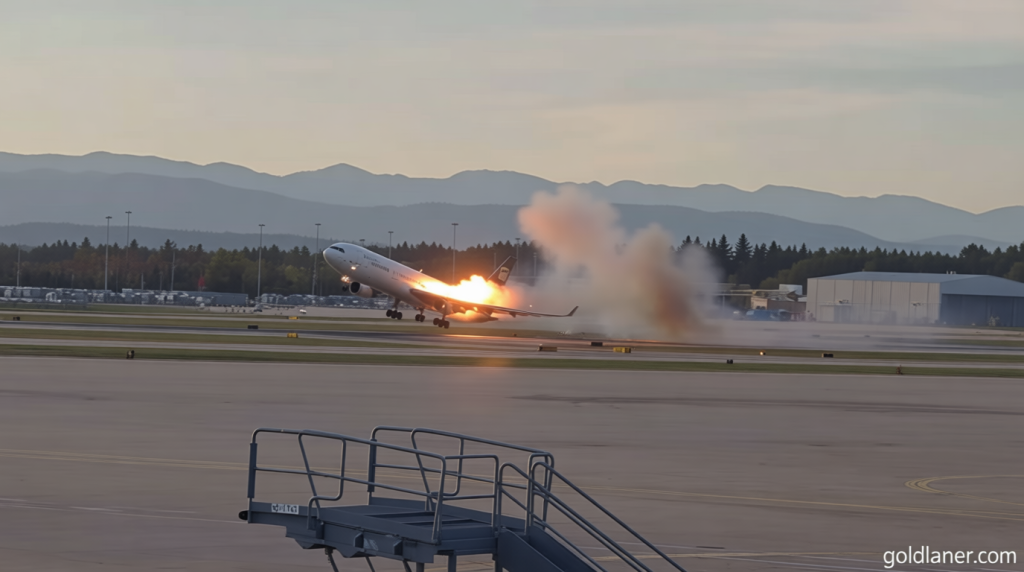
The incident involved UPS flight 2976, which crashed on November 4, 2026, during takeoff from Louisville, Kentucky. The disaster resulted in the loss of three crew members and 12 people on the ground. The NTSB had released a detailed docket containing thousands of pages of reports, video footage of the engine separation, and a transcript of the CVR. But the inclusion of a PDF file—showing the spectrogram analysis of the audio—became the focal point of public attention.
The Emergence of a New Threat
During a two-day hearing this week, the NTSB disclosed the docket, which included not only the CVR transcript but also a visual breakdown of the audio’s frequency variations. This seemingly innocuous file allowed users to generate a near-accurate reconstruction of the pilots’ final moments. The audio clip, spanning the last 30 seconds of the flight, captured the pilots’ attempts to stabilize the aircraft as the engine failed. It also featured background noise and echoes, which added to the emotional weight of the recordings.
Once shared online, the recreated audio quickly spread across social media platforms. Users posted the clip with commentary, drawing widespread attention to the tragedy. The NTSB, however, viewed this as a breach of its standard protocol. In a statement on Thursday, the board emphasized that CVRs are typically not released due to federal regulations and the need to safeguard the personal details of those involved. “We do not release cockpit voice recordings,” the statement noted, “because of the sensitive information they contain and the legal requirements that protect the privacy of victims and their families.”
From Visuals to Voices
While the NTSB maintains that the PDF file was not a complete CVR, the technology used to extract the audio from the spectrogram raised new questions. The process, which relies on mapping sound waves into visual data and then reverse-engineering them, is now accessible to anyone with the right tools. This means that even without the original audio files, the details of a crash can be pieced together from images, potentially compromising the privacy of individuals involved in the incident.
The board’s decision to close public access to all investigation dockets, including the one for the UPS crash, marks a significant shift. Investigators usually make these documents available to ensure transparency, but the recent incident has prompted them to reassess this practice. “We show our work and have been doing this for years,” said a NTSB spokesperson. “Nobody was aware that you can recreate audio from a picture.” This statement highlights the board’s acknowledgment of the technology’s capabilities and its urgency to prevent further exposure.
Protecting the Privacy of the Affected
NTSB Chairwoman Jennifer Homendy expressed concern over the incident, calling it “deeply troubling.” In a post on X, she stated, “Laws against releasing CVR audio exist to protect privacy, preserve the integrity of NTSB investigations, and out of respect for accident victims and their families during a time of tremendous loss.” The crash of UPS 2976 has now become a case study in how digital advancements can challenge traditional safeguards.
Homendy’s remarks reflect the board’s dual role as both a regulatory body and a guardian of sensitive data. The NTSB is urging platforms like X and Reddit to remove posts containing the reconstructed audio, emphasizing that the publication of such content could lead to further scrutiny or speculation about the pilots’ final moments. While the original CVR transcript was released, the PDF’s ability to generate a full audio version has added a layer of complexity to the investigation’s public perception.
The incident also raises broader implications for aviation safety. As technology evolves, the line between visual analysis and auditory reconstruction continues to blur. This means that even the most detailed still images from crash investigations could be used to revive conversations, emotions, and details that were intended to remain private. The NTSB’s response highlights the tension between transparency and the need to protect the dignity of those affected by accidents.
Revisiting Standards and Procedures
With the release of the spectrogram PDF, the NTSB is now reevaluating its procedures. While the docket was meant to foster public understanding, the ability to generate audio from visual data has introduced a new risk. The board’s spokesperson noted that the technology was not anticipated, and its discovery has prompted a review of how information is disseminated. “We are looking to ensure there’s nothing else in the docket that could compromise privacy,” they said, underscoring the board’s proactive approach to mitigating potential breaches.
Despite the NTSB’s actions, the audio recreation has already had a lasting impact. It has sparked discussions about the role of technology in modern investigations and the need for updated privacy measures. Some experts argue that the public’s access to such information is a benefit, allowing for greater transparency. Others, however, warn that the ease of recreating audio from images could lead to misinformation or undue pressure on the families of victims.
As the NTSB moves forward, it will need to balance its commitment to transparency with the protection of sensitive data. The case of the UPS crash serves as a reminder of how quickly digital tools can change the landscape of information sharing. While the original CVR was a crucial piece of evidence, the PDF’s ability to generate a sound-based reconstruction has added a new dimension to the board’s work. This development may lead to stricter guidelines on the release of visual data from future investigations, ensuring that the privacy of victims is preserved in an increasingly connected world.
CNN’s Pete Muntean contributed to this report.
