
How Mikel Arteta rebuilt Arsenal into Premier League champions
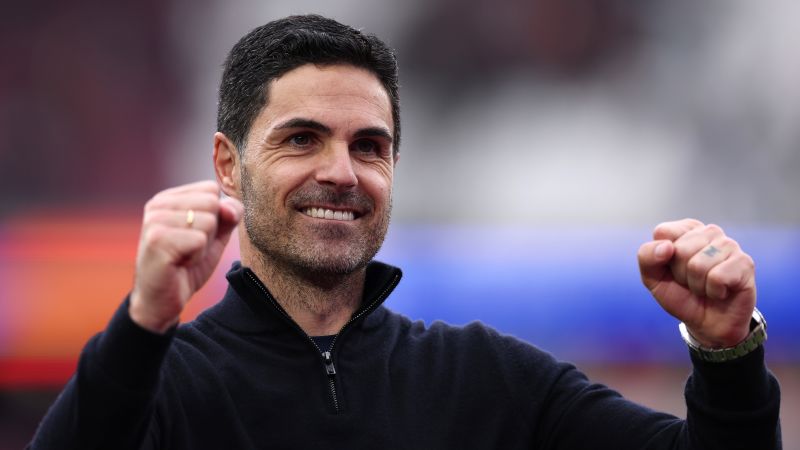
How Mikel Arteta Transformed Arsenal into Premier League Champions
The Descent and the Dawn of Change
How Mikel Arteta rebuilt Arsenal into – The path to Arsenal’s recent triumphs was paved through years of struggle. In the winter of 2019, the club faced a crossroads that many feared would define its era. After a dismal campaign under Unai Emery, which saw them endure their worst stretch of form since 1992, the team found itself in a state of limbo. A 3-0 drubbing by Manchester City at Emirates Stadium had fans fleeing the stands in droves, their disheartenment palpable. Yet, the true crisis lay not on the pitch, but in the atmosphere surrounding the club—where supporters had grown numb to setbacks and victories alike. The emotional distance between the players and the fans was a silent but potent force, one Arteta would soon confront head-on.
Arteta, a former Arsenal captain, had already carved his legacy as a player before stepping into the coaching world. After retiring, he joined Pep Guardiola’s Manchester City, gaining invaluable experience in high-stakes environments. Just days after the humiliation against City, he was offered the chance to lead the club he once represented. Though he was the youngest manager in the Premier League at the time, his appointment was met with cautious optimism. The challenge was clear: to restore a sense of pride and purpose to a team that had lost its way.
Promises and the Foundation of a New Era
Arteta wasted no time in articulating his vision. From the moment he took charge, he made it known that change would be both swift and uncompromising. “I will burn every drop of blood for this football club to make it better,” he declared, setting the tone for a rebuild rooted in sacrifice and determination. His message was simple yet powerful: the club’s identity needed to be reforged, and fans had to be at the heart of that transformation.
“We have to create the right vibe, the right energy, and everybody at the organization has to feel so privileged to be here. There’s no other way,” Arteta emphasized. “We need the fans. We need to engage them, we need to be able to transmit with our behaviors, our intentions, what we want to bring to this football club.”
Arteta’s approach was multifaceted. He prioritized consistency, demanding that players meet elevated standards of performance and conduct. Where others hesitated, he acted decisively, parting ways with high-profile stars like Mesut Özil and Pierre-Emerick Aubameyang, who had become synonymous with inconsistency. These departures, while painful, were necessary to cultivate a team that reflected his philosophy. A pre-match anthem, “North London Forever,” was introduced to reignite the spirit of the club, its echoes now a fixture at every Emirates Stadium game.
Turning Tides: From Disappointment to Dominance
Arteta’s first major success came in the 2020 FA Cup final, where Arsenal defeated Chelsea to claim a trophy after a three-year drought. The victory was a spark, but the road to sustained success was far from certain. The following season saw the Gunners finish eighth, a result that left questions about their ability to compete at the top. A fifth-place finish in 2021-22 added to the skepticism, as the team’s European ambitions faltered. Six years had passed since Arsenal last reached the Champions League, and the pressure to reclaim their status loomed large.
By the time the 2022-23 season began, the club had entered a new phase. Arteta’s focus on standards and culture had started to yield results. The squad, now brimming with youthful energy and technical flair, was a blend of homegrown talent and seasoned professionals. Bukayo Saka became a household name, his electrifying runs and clinical finishing a constant source of excitement. Martin Ødegaard, the new captain, orchestrated play with composure, while defenders Gabriel Magalhães and William Saliba provided a rock-solid backline. This blend of potential and experience signaled a shift toward resilience and ambition.
The 2022-23 campaign was a rollercoaster. Arsenal started with a scintillating run, often leading the table and capturing the imagination of football fans. Their cohesion, both tactically and emotionally, was a stark contrast to the disjointed performances of previous seasons. However, the final stretch of the season tested their mettle, with a dramatic collapse leaving them in second place. Still, the performance had validated Arteta’s methods, proving that the club was no longer a mere bystander in the league race.
Building a Legacy of Resilience
The following season saw Arsenal consolidate their position as contenders. The team’s ability to bounce back from adversity became a hallmark of their resurgence. Arteta’s emphasis on unity and discipline had fostered a culture where players and fans were aligned in purpose. The Emirates Stadium, once a place of quiet despair, now buzzed with passion and anticipation. Even in the face of setbacks, the club’s identity had been redefined, with a blend of attacking flair and defensive solidity that mirrored their historic success.
Arteta’s transformation of Arsenal wasn’t just about trophies. It was about instilling a belief that had long been absent. The players, now more engaged and committed, became ambassadors of the club’s renewed vision. Fans, once indifferent, returned with fervor, their support a vital component of the team’s momentum. The manager’s ability to connect with both players and supporters was a critical factor in this revival, bridging the gap that had threatened to fracture the club’s foundation.
As the 2022-23 season concluded, the narrative around Arsenal shifted from doubt to determination. The team had proven that they could compete with the best, and the infrastructure Arteta had built was now paying dividends. With a young squad brimming with promise and a manager who had turned his own journey into a testament of grit, the club was no longer merely chasing greatness—it was embodying it. The days of apathy were gone, replaced by a collective will to reclaim their place among Europe’s elite.
Arteta’s story is one of transformation, not just for the club but for the entire football community. From a team in crisis to a Premier League powerhouse, his leadership demonstrated that change is possible when vision, sacrifice, and unity converge. The challenges were many, but the results spoke volumes. For Arsenal, the 2022-23 season was a turning point, a testament to the power of reinvention. And as the next chapter unfolds, the club marches forward with the same determination that once led it to its peak—and now, to its renaissance.
