What’s in the proposed deal that could end the US-Iran conflict?

What’s in the proposed deal that could end the US-Iran conflict?
The Path to a Temporary Ceasefire
What s in the proposed deal – The United States and Iran have made progress toward an agreement that could transform the current truce into a more enduring peace. Both nations are considering a “memorandum of understanding,” a document intended to outline steps for addressing unresolved tensions. However, US Secretary of State Macro Rubio emphasized that the deal remains “a work in progress,” indicating that finalization is not yet certain. During a recent visit to India, Rubio remarked,
“We’re either going to have a good agreement or we’re going to have to deal with it another way.”
This statement reflects the cautious optimism surrounding the proposal, which aims to halt ongoing hostilities while laying the groundwork for broader resolution.
The proposed agreement is framed as a temporary solution to the escalating conflict, with a focus on stabilizing the situation before moving toward long-term negotiations. For the US, the timing of the deal is significant, as President Donald Trump prepares for midterm elections later this year. The current crisis has intensified economic pressures, particularly with rising gasoline prices, making a swift resolution politically advantageous. Meanwhile, Iran faces its own challenges, including a struggling economy that has been strained by international sanctions and military actions. A lasting peace could provide relief, though both sides remain wary of compromising too much too soon.
Key Terms of the Memorandum
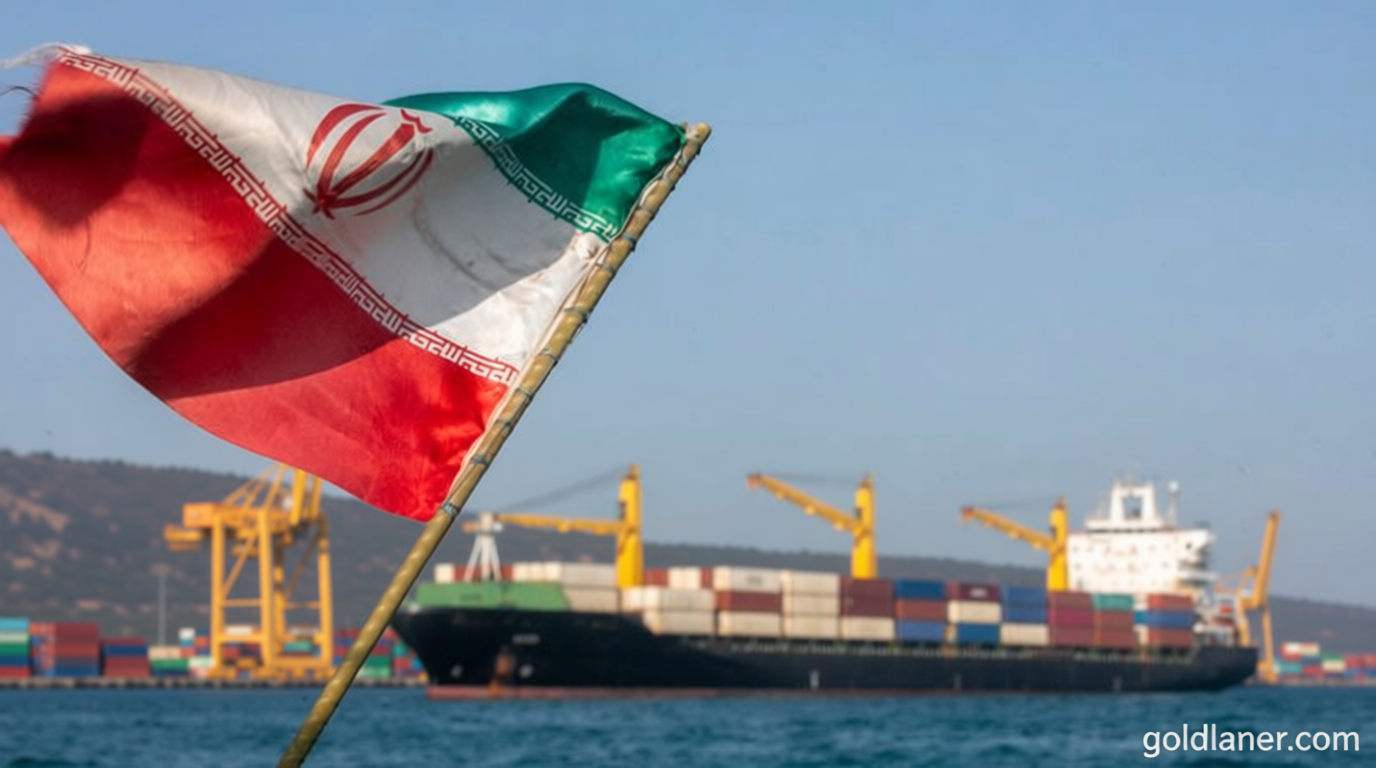
A critical component of the memorandum involves the gradual reopening of the Strait of Hormuz, a vital maritime corridor for global oil trade. The US has expressed confidence that the strait would be fully accessible under the new framework, while Iran has indicated it would oversee the process. According to a senior administration official, the agreement includes a 60-day period for resolving additional issues, such as Iran’s nuclear program. This phase is designed to allow both parties to refine details before reaching a final accord.
The memorandum also requires Iran to commit to a significant negotiation on its nuclear capabilities. As Rubio stated,
“There’s a pretty solid thing on the table” regarding Iran entering “a real significant time-limited negotiation on nuclear matters.”
This commitment would ensure that Iran cannot acquire nuclear weapons, a priority for the Trump administration. The agreement would also mandate the removal of Iran’s highly enriched uranium, which Trump has dubbed “nuclear dust.” How this stockpile is handled will be determined in the next stage of talks, according to the official.
The structure of the deal is designed to enforce accountability. If Iran fails to meet its obligations, the US would withhold economic benefits, such as lifting sanctions or providing financial support. The official explained,
“The important part of how this is structured is, if Iran doesn’t perform, they don’t get anything. No dust? No dollars. As the Strait opens, the blockade loosens proportionately.”
This “trust but verify” approach is intended to balance Iran’s cooperation with US oversight, ensuring that progress is not undone by backsliding.
Iranian Perspectives and Political Dynamics
Iranian officials have offered a more measured take on the proposed agreement. Foreign Ministry spokesman Esmail Baghaei noted,
“We have reached understandings on a large portion of the issues under discussion. But to say this means an agreement is about to be signed — no one can make such a claim.”
This suggests that while there is agreement on certain aspects, the finalization of a deal is still pending. Baghaei further clarified that the management of the Strait of Hormuz would not be solely under US control but would involve coordination with Oman, as stated in a press release on Monday.
Despite these nuances, Trump has shown a clear stance, asserting that the US will not rush into an agreement. In a post on Truth Social, he wrote,
“If I make a deal with Iran, it will be a good and proper one, not like the one made by Obama. That deal gave Iran ‘a clear and open path to a Nuclear Weapon.'”
This critique underscores the administration’s focus on ensuring that the new deal is more rigorous than its predecessor, which was criticized for not adequately curbing Iran’s nuclear ambitions.
One of the most contentious points remains the status of the Strait of Hormuz. While the memorandum is expected to facilitate its reopening, some Iranian media outlets, including those aligned with the hardline Islamic Revolutionary Guard Corps (IRGC), reported that the strait would still be under Iranian oversight. A 30-day timeline was proposed for restoring shipping to pre-war levels, with Iran adjusting its tone on toll collection. Baghaei stated,
“We are not seeking to collect tolls — services are provided; navigation services plus necessary measures to protect the environment of the Strait of Hormuz.”
This shift implies that Iran may allow commercial traffic to resume but would retain authority over the strait’s management.
Broader Implications and Remaining Challenges
The agreement’s success hinges on mutual concessions. While the US seeks to limit Iran’s nuclear progress, Iran aims to secure the lifting of its port blockade. However, Trump has indicated that the blockade will remain in place until a final, signed accord is achieved. This stance highlights the administration’s desire for a binding agreement that safeguards US interests.
Experts suggest that the memorandum serves as a stepping stone, with the 60-day window allowing for adjustments before finalizing the deal. The inclusion of Oman as a mediator is a strategic move, reflecting the country’s role in facilitating regional cooperation. Baghaei emphasized that the agreement should “develop a mechanism to ensure the safe passage of ships,” which could involve a joint oversight system with the US and Oman.
Despite these efforts, challenges persist. The nuclear program remains central to the dispute, with Iran’s enrichment activities a key concern for the US. The proposed deal would require Iran to pause new enrichment and commit to reducing its stockpile of highly enriched uranium. This is seen as a major achievement, as it would curtail Iran’s ability to rapidly develop a nuclear weapon. However, the details of how this stockpile is disposed of are yet to be finalized, leaving room for further negotiation.
As both sides navigate the complexities of the agreement, the outcome will have far-reaching consequences. A successful deal could mark a turning point in the US-Iran relationship, easing tensions and fostering cooperation on critical issues. Yet, the lingering uncertainties — from the strait’s control to the exact terms of the nuclear agreement — underscore the delicate nature of the negotiations. For now, the memorandum represents a fragile but promising step toward peace, with the final details still being debated in the coming weeks.