What the judge’s evidentiary ruling means for the case against Luigi Mangione

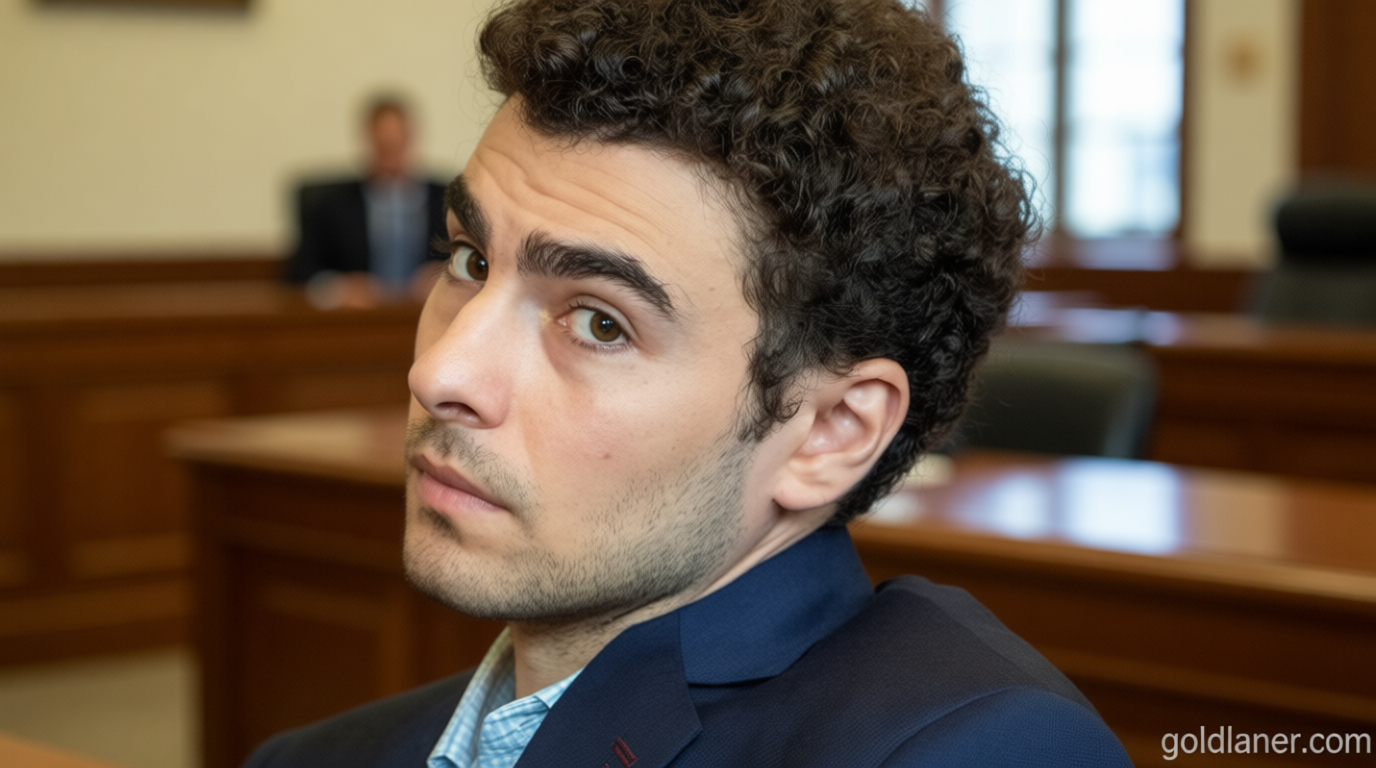
Judge’s Evidentiary Ruling Shaping Mangione’s Trial
What the judge s evidentiary ruling – The judge’s evidentiary ruling has created a critical turning point in the legal case against Luigi Mangione, the suspect in the UnitedHealthcare CEO Brian Thompson’s murder. This decision, handed down last week, impacts how evidence is presented in court, splitting items from Mangione’s backpack into admissible and excluded categories. While some physical evidence was dismissed, the prosecution still holds key material that could define the trial’s outcome. Legal analysts note that this ruling could influence both the strength of the prosecution’s case and the defense’s ability to challenge its foundation.
Evidentiary Split and Legal Boundaries
New York Judge Gregory Carro’s Monday ruling clarified the timeline of Mangione’s search. Items collected during an early examination at a Pennsylvania McDonald’s were deemed inadmissible due to procedural flaws, while those gathered later at the Altoona Police Station were accepted as valid. This distinction is vital, as it sets the stage for how the trial will proceed. The judge’s decision hinges on the legality of the searches, emphasizing the importance of adherence to evidence rules in criminal proceedings.
Core Evidence and Prosecution’s Strategy
Despite the exclusion of some items, the prosecution retains crucial evidence, including the 3D-printed 9mm firearm and a journal containing potential motive. The judge’s ruling on the second search validated these elements, allowing them to be introduced to the jury. Legal experts highlight the significance of these items: the gun provides a direct link to the crime, while the journal’s contents suggest premeditated intent. “The gun and notebook are pivotal,” said Steve Wasserman, a criminal justice professor, underscoring their role in building a compelling case.
“If the gun and notebook were suppressed, the case would be much weaker,” noted Gary Galperin, a veteran Manhattan prosecutor, during the suppression hearing. This statement reflects the trial’s reliance on the judge’s evidentiary decision to establish a clear narrative of guilt.
Mangione’s charges include second-degree murder, weapon possession, and forgery, with the New York trial set to begin in September. The judge’s ruling has allowed the prosecution to focus on the manifesto-like journal, which includes handwritten entries expressing frustration with corporate practices. These writings, prosecutors argue, demonstrate a motive rooted in anger toward UnitedHealthcare, potentially strengthening the case against the defendant.
Defense Challenges and Admissibility
The defense contested the entire search, arguing that the initial examination violated Mangione’s rights. This led to a nine-day suppression hearing, where the judge examined the legality of the search process. While some items were excluded, the judge’s support for the later search gave the prosecution a strategic edge. The remaining evidence, including the gun and journal, could limit Mangione’s ability to create an alibi or dispute his involvement in Thompson’s killing.
Legal analysts suggest the judge’s decision will force the defense to pivot its strategy. Instead of challenging all evidence, the team may focus on undermining the connection between the gun and the crime. This could involve questioning the timing of the search or the accuracy of forensic analysis. Meanwhile, the prosecution will emphasize the admissibility of key items, using them to build a narrative of premeditated intent and corporate animosity.
Implications for the Trial and Public Perception
As the trial approaches, the judge’s evidentiary ruling has significant implications for both the legal process and public opinion. The exclusion of certain items may shift the jury’s focus to the remaining evidence, which includes the weapon and the journal. Prosecutors argue that these elements provide a clear link between Mangione and the crime, while the defense may attempt to frame them as circumstantial. The ruling also highlights the importance of procedural integrity in high-profile cases, setting a precedent for future trials.