
Russia ramps up aerial attacks as it struggles on the ground in Ukraine
Russia ramps up aerial attacks as it struggles on the ground in Ukraine
Russia ramps up aerial attacks as it – Ukraine has faced a surge in air attacks from Russia in recent months, with the aggressor deploying record numbers of drones and high-speed missiles to target the country’s infrastructure and population. These strikes come amid challenges for Moscow’s forces on the ground, where Ukrainian counterattacks have disrupted Russia’s ability to seize territory. The aerial assaults are part of a calculated effort to bypass traditional defenses and apply pressure on Kyiv’s leadership, according to military analysts.
Aerial strategy to counter ground setbacks
Russian military planners have shifted focus to air power, leveraging a variety of weapon systems to compensate for stalled progress on the battlefield. The latest wave of attacks, which occurred on Tuesday, included an unprecedented use of eight hypersonic Zircon missiles—each capable of striking targets with extraordinary speed and destructive force. These missiles, nearly undetectable by conventional defense systems, were not intercepted, marking a significant escalation in Russia’s targeting capabilities.
“Russia is now really struggling to take any meaningful gains on the battlefield,” said Thomas Withington, an associate fellow at the UK-based Royal United Services Institute (RUSI). “The use of air power is possibly the only avenue open to the Russian leadership for strategic impact.”
The attack pattern involves a sequential barrage of drones, ballistic missiles, and cruise missiles, designed to saturate Ukraine’s defenses and create chaos. Analysts note that this overwhelming approach increases the likelihood of some projectiles reaching their targets. In April, Ukraine reclaimed more land than Russia occupied for the first time since 2024, further undermining Moscow’s military advantages. This shift has forced Russia to rely heavily on air strikes to maintain pressure.
Increasing drone and missile usage
Russian drone activity has intensified, with the number of Shahed attack drones launched monthly rising from approximately 5,000 to over 8,000. These drones, often used in swarms, are cheaper and more expendable than traditional missiles, allowing Russia to sustain high-volume assaults. Despite this, Ukraine’s air defense systems have managed to intercept roughly 90% of drones, using electronic warfare to redirect threats away from populated zones.
However, the challenge grows with the use of ballistic and hypersonic missiles, which travel at speeds exceeding Mach 5 and require advanced interceptors. Tuesday’s strikes featured 41 ballistic missiles, a number surpassing the total launched by Russia in the entire previous month. Of these, 30 struck their intended targets, causing widespread damage. Ukrainian President Volodymyr Zelensky highlighted the strain on defense resources, stating that Ukraine receives only 60 to 65 interceptor missiles monthly due to production limitations.
Impact on urban areas and strategic targets
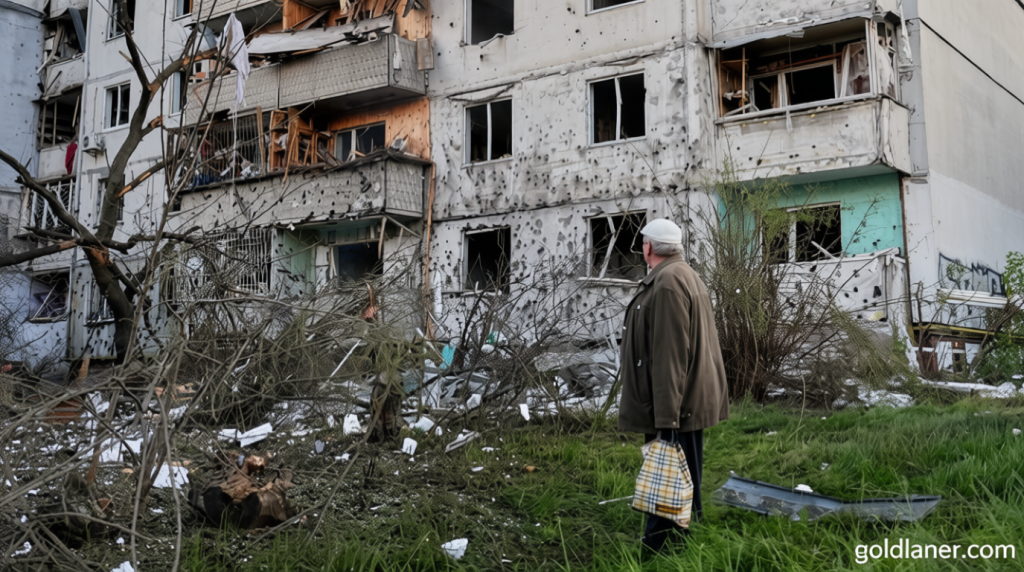
The attacks have left a visible mark on Ukraine’s cities, with Kyiv bearing the brunt of the latest assault. Several high-rise buildings were damaged, igniting fires and destroying vehicles on the streets. While Kyiv is typically a well-protected capital, its air defenses reportedly lagged during the final wave of strikes, leaving residents vulnerable. CNN heard continuous explosions but few signs of countermeasures firing, suggesting a temporary lapse in response.
“There aren’t enough missiles for the Patriot system; many were deployed in the Middle East,” said Ukrainian Air Force spokesman Yurii Ihnat, following the heavy bombardment. “Another factor is how the enemy targets regions with weaker protection.”
Strategic cities like Dnipro and energy facilities in the Kharkiv region also suffered. Dnipro saw numerous casualties, with at least one strike targeting a firefighter as he dealt with the aftermath of a prior attack. The Russian Ministry of Defense confirmed that some military infrastructure was hit, though specifics remain unclear. Such coordinated strikes aim not only to destroy physical assets but also to instill fear among civilians and erode public support for the war effort.
Broader implications for the conflict
Experts suggest that Russia’s reliance on air attacks reflects a broader shift in its military strategy. With ground advances slowing, the aggressor has turned to aerial bombardments to compensate for its shortcomings. This strategy is intended to create a psychological toll, as the sheer scale of attacks can make it difficult for Ukraine to respond effectively.
Despite the challenges, Ukraine’s defense systems have shown resilience. Analysts at RUSI and CSIS noted that the country’s air defenses are performing admirably under intense pressure. The ability to intercept most drones, combined with electronic warfare tactics, has limited the impact of Russian swarms. However, the increasing use of hypersonic missiles like Zircon poses a new threat, as these projectiles are harder to detect and intercept.
Ukraine’s leaders are now balancing the need to defend cities with the requirement to protect critical infrastructure. The recent attacks have prompted discussions about the urgency of expanding interceptor missile production, particularly for systems like the Patriot, which are vital for countering high-speed threats. With Russia’s air campaign growing in intensity, the question remains whether Ukraine can maintain its defensive posture or if the strain will lead to a tipping point.
The escalation in air attacks underscores the evolving nature of the conflict. While Russia’s forces face setbacks on the ground, their ability to launch devastating strikes from the air demonstrates a commitment to wearing down Ukraine’s will to resist. For now, the aggressor continues to rely on a mix of affordable drones and advanced missiles, ensuring that its aerial dominance remains a key component of its war strategy.
As the conflict progresses, the interplay between Russia’s offensive capabilities and Ukraine’s defensive strategies will likely shape the outcome. The recent barrage in Kyiv and other cities serves as a stark reminder of the scale of the challenge ahead, even as Ukrainian forces adapt to the changing battlefield. Whether the current air campaign will force Kyiv to seek peace or solidify its resolve remains uncertain, but one thing is clear: the skies over Ukraine are now a critical front in the war.
