
Rent board fulfills Mamdani’s vow to freeze the rent on 1 million NYC apartments
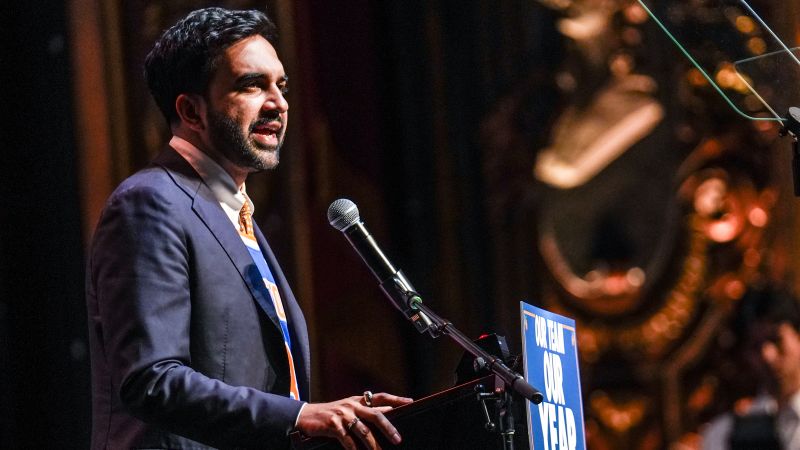
Rent Board Fulfills Mamdani’s Vow to Freeze Rent on 1 Million NYC Apartments
Rent board fulfills Mamdani s vow – Mayor Zohran Mamdani, who has made affordability a cornerstone of his campaign, delivered on a key promise by securing a rent freeze for approximately 1 million rent-stabilized apartments in New York City. The decision, announced by the Rent Guidelines Board—a panel of mayoral appointees—comes as a significant milestone for Mamdani, who has repeatedly emphasized the need to curb the city’s soaring living costs. His pledge, once a recurring theme in social media posts, speeches, and rallies, was finally realized after months of anticipation and political maneuvering.
A Policy That Stacks the Deck
With the approval of the freeze, the Rent Guidelines Board has aligned its annual decision with Mamdani’s vision for affordable housing. The move covers both one-year and two-year leases, effectively halting rent increases for a vast portion of the city’s housing stock. This decision has been met with mixed reactions, as advocates see it as a triumph for tenants, while landlords and real estate groups warn of potential financial strain. The vote, though expected, has been hailed as a symbolic victory in Mamdani’s push to transform New York’s housing landscape.
During his mayoral campaign, Mamdani’s promise to freeze rent became a rallying cry for working-class residents. The idea was repeatedly reinforced in ads and public appearances, with the mayor framing it as a direct response to the city’s affordability crisis. Now, as the policy takes effect, it stands as a testament to his commitment to this cause. Yet, the move has also sparked debate about its long-term implications, particularly for private landlords who rely on rental income to sustain their operations.
“This is the relief that working people across our city deserve,” said Mamdani, a Democrat, in a statement following the board’s decision. He described the freeze as a historic victory for tenants, emphasizing its role in alleviating the burden of high housing costs.
Landlords’ Concerns and Critics’ Warnings
Real estate organizations have expressed concerns that the freeze could force landlords into financial hardship. With inflation and rising operational expenses, many property owners argue that the policy limits their ability to cover routine repairs or invest in maintenance. “A rent freeze would pinch landlords, leaving them struggling to afford basic upkeep,” said Kenny Burgos, CEO of the New York Apartment Association. He added that the decision might lead to more dilapidated housing and an increase in foreclosures, as landlords face mounting pressure to balance their budgets.
Some critics of rent regulation extend their arguments beyond immediate financial impacts. They contend that the freeze could indirectly drive up rents in non-stabilized units, as landlords seek to offset lost income. This perspective has been a common refrain in political discourse, with opponents suggesting that rent stabilization stifles market dynamics and reduces housing supply. “This will only result in more dilapidated housing and potentially more foreclosures and bankruptcies, which the city is wholly unprepared for,” Burgos warned, highlighting the risks of long-term policy shifts.
The Board’s Shift in Power
The Rent Guidelines Board’s decision reflects a broader shift in its composition under Mamdani’s leadership. Within a month of taking office, the mayor appointed a majority of the board’s members, ensuring that his priorities would dominate the policy-making process. This rapid consolidation of influence has raised questions about the board’s independence, with some arguing that its role as a neutral arbiter has been compromised.
Christina Smyth, a former board member who resigned in protest, accused the panel of losing its impartiality. In her resignation letter, provided to The Associated Press, she wrote: “The Rent Guidelines Board has stopped being a fact-finding body. It has become a body that starts with an answer and vibe codes its way backward to justify it.” Her comments underscore the growing tension between the mayor’s progressive agenda and the interests of the private rental sector.
Historical Context and Political Implications
The rent freeze marks a return to a policy that was last implemented under former Mayor Bill de Blasio. However, the previous administration’s approach was more modest, with incremental increases approved for one-year and two-year leases. Mamdani’s predecessor, Eric Adams, had approved a 3% increase for one-year leases and a 4.5% hike for two-year leases, a move that was widely seen as a middle ground between freezing rents and allowing market adjustments.
This year’s decision, however, has been framed as a more decisive action. With the board now stacked with Mamdani appointees, the freeze was quickly approved, drawing cheers from tenant advocates who gathered in large numbers to witness the vote. The policy’s implementation has also coincided with Mamdani’s broader political influence, as three congressional candidates he endorsed recently won their races, unseating two Democratic incumbents and challenging the party’s traditional power structures.
Rent Stabilization and Its Critics
Rent-stabilized units, which account for roughly 40% of the city’s housing stock, are privately owned but regulated by the Rent Guidelines Board. Around 2 million New Yorkers reside in these apartments, a figure that has drawn scrutiny from critics who argue that the system allows wealthier individuals to occupy units meant for lower-income residents. During last year’s mayoral race, former Governor Andrew Cuomo took aim at Mamdani, who at the time was earning just under $150,000 annually, for living in a rent-stabilized apartment. Cuomo called the arrangement “disgusting,” suggesting that the unit should be available to someone with a smaller income.
Despite these criticisms, the Rent Guidelines Board has defended its role in ensuring fair rent increases for tenants. The freeze, however, has reignited debates about whether the policy is truly beneficial for all residents. While advocates argue that it provides critical relief, landlords and economists warn that it may lead to unintended consequences, including reduced investment in rental properties and a potential shortage of affordable housing.
As the city moves forward with the freeze, the legal landscape is already shifting. A challenge to the board’s decision is anticipated, with critics preparing to argue that the policy violates property rights or fails to account for inflationary pressures. The timing of the vote—just two days after Mamdani’s congressional endorsements—has also been noted as a strategic move, reinforcing his position as a rising progressive leader in New York politics.
