
Bernie blowback: How Sanders’ primary endorsements have sparked a Democratic midterm war
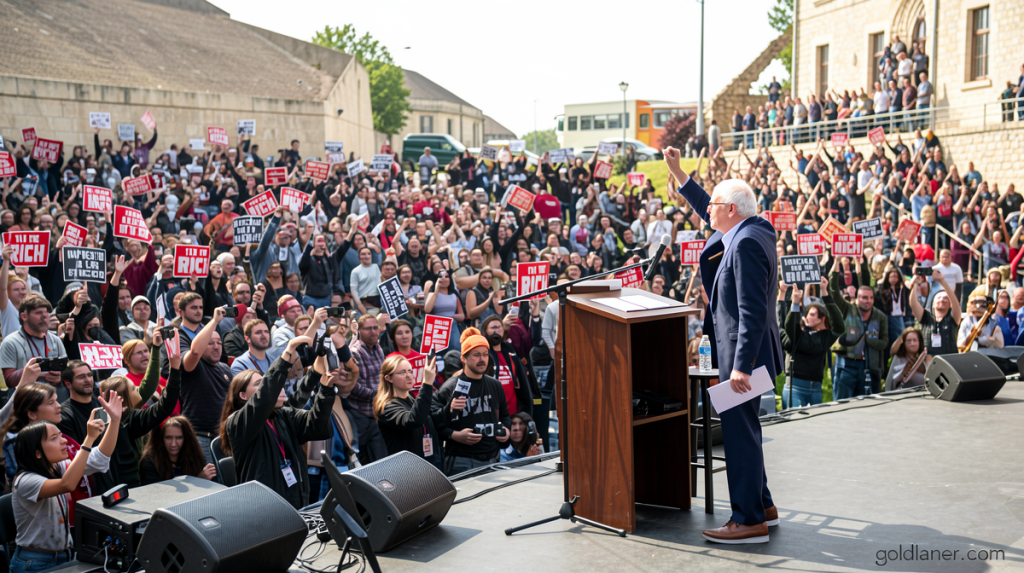
Bernie Blowback: Sanders’ Endorsements Fuel Democratic Midterm Battle
goldlaner.com – Bernie blowback has erupted within the Democratic Party as midterm elections draw near. Senator Bernie Sanders now sits at the center of a growing internal conflict over his aggressive primary endorsement strategy. The Vermont independent’s approach has divided party leaders between those who want moderate candidates for swing voters and progressives who energize the base. This Bernie blowback centers on a critical strategic question for Democrats heading into November.
Hakeem Jeffries, the House Democratic Leader, recently confronted Sanders directly about his interference in House primaries. Three Democratic sources told CNN that Jeffries warned the senator against meddling in House races, particularly those involving Black Democrats. Rep. Greg Meeks of New York, a close Jeffries ally, joined the telephone conversation and later recalled Sanders’ dismissive response.
He seemed to not care, recalled Meeks regarding Sanders’ response during the previously unreported phone call.
Midwest Battleground Intensifies
This intervention came shortly after incumbent Rep. Valerie Foushee narrowly defeated challenger Nida Allam in their March primary. When asked to describe the exchange, Jeffries offered a simple assessment: “It was honest.” The Bernie blowback now extends beyond Washington into crucial swing states like Michigan.
Sanders wields unprecedented influence over Democratic politics this midterm cycle. His growing power has simultaneously created friction with party establishment figures. The core disagreement involves whether to support establishment-friendly candidates who attract swing voters, or to back democratic socialists and left-wing progressives who mobilize the party’s restless base despite potential risks.
During this election cycle alone, Sanders has endorsed more than 90 candidates. His endorsements helped defeat several House incumbents across New York City and Colorado. According to his campaign team, 42 of 60 candidates whose elections have concluded secured victories. This includes 10 out of 16 federal candidates who received Sanders’ backing.
However, senior Democrats contend that Sanders forces them to redirect valuable resources toward primary contests rather than focusing on defeating Republican opponents in November. This concern intensified following Sanders’ continued support for Graham Platner, the former Maine Senate candidate now embroiled in controversy.
There are no saints in the United States Senate, Sanders declared after The New York Times published allegations concerning Platner’s troubling behavior toward women. He maintained his position until CNN and Politico reported that Platner faced rape accusations—an allegation the candidate denies.
Democratic Rep. Hillary Scholten of Michigan voiced concerns about Sanders’ recent endorsement choices. “Bernie has endorsed some flawed candidates recently,” she stated. “I think it’s really important to look at the judgment that has been exercised. The Graham Platner situation should be a huge warning sign to a lot of voters about what that stamp of approval might mean.”
The Sanders-establishment clash reaches its peak in Michigan, a crucial battleground state where the senator campaigns this weekend. He supports Senate candidate Abdul El-Sayed and House candidate William Lawrence. Lawrence has drawn criticism from Congressional Black Caucus members after making comments in 2024 that some Black political leaders found offensive.
No, the 84-year-old responded when asked whether he’s making it harder for Democrats to win in November. I think, in fact, the candidates we are supporting are candidates who are representing working people. And I think it’s time, longtime overdue, for the Democratic Party to stop worrying about their wealthy campaign funders and start worrying about the needs of working people.
Michigan represents the heart of the Democrats’ ongoing identity crisis. In the Senate race, Sanders champions El-Sayed, whose advocacy for “Medicare for All” and criticisms of Israel alongside the American Israel Public Affairs Committee have endeared him to the progressive left. Meanwhile, party establishment figures consolidate support behind Rep. Haley Stevens, a moderate Democrat from the Detroit region positioning herself as the most electable option against likely GOP nominee former Rep. Mike Rogers.
With the August 4 primary approaching and the race considered competitive, Democrats both in Washington and Michigan grow increasingly anxious about El-Sayed’s prospects. The Bernie blowback continues to reshape Democratic strategy as the party navigates competing visions for electoral success.
