LA Mayor Bass declares emergency to secure resources to help fight warehouse fire

LA Mayor Bass Declares Emergency to Combat Warehouse Fire
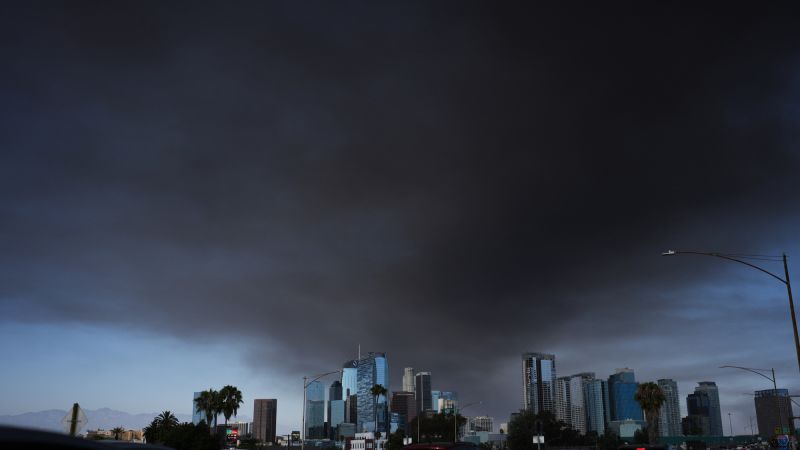
LA Mayor Bass declares emergency to secure – Los Angeles Mayor Karen Bass has activated an emergency protocol on Saturday, aiming to secure additional resources for combating a significant warehouse fire that has been burning in the Boyle Heights neighborhood. The blaze, which began on Wednesday, has led to substantial air quality concerns, with massive smoke plumes obscuring the sky and prompting residents to take precautionary measures. The city’s declaration of emergency underscores the urgency of the situation and the need for coordinated efforts to mitigate its impact.
The fire, originating from a privately operated cold-storage facility, has created hazardous conditions that have forced the implementation of shelter-in-place orders for nearby communities. Residents were advised to close all windows, doors, and vents, disable air conditioning systems, and relocate to interior rooms to reduce exposure to toxic fumes. These steps were critical in safeguarding public health as the smoke levels rose to dangerous levels. The prolonged nature of the fire has also disrupted local businesses and transportation networks, adding to the city’s challenge in managing the crisis.
Los Angeles Fire Department Chief Jaime Moore addressed the public during a press briefing, emphasizing the progress made in handling the fire’s initial stages. “We’ve managed the hazardous materials portion of the blaze, but now the focus shifts to biohazard challenges,” Moore stated. The facility, housing 85 million pounds of frozen food, has become a complex site for rescue operations. The structure’s design, with its narrow corridors and dense storage, has limited visibility inside, making it difficult for firefighters to navigate and retrieve materials without risk.
“The city and county have opened spaces for families seeking relief from the smoke, and we will continue working around the clock and doing everything possible to put this fire out completely,” Bass said in a news release announcing the emergency declaration.
Mayor Bass highlighted the health and safety of residents as the primary concern in her statement. “This is about prevention,” she explained. “This is about protecting your public health.” The emergency declaration requests assistance under the California Disaster Assistance Act, which allows for expedited access to state resources and relief programs. This includes financial support for debris removal, temporary housing, and environmental cleanup efforts.
Boyle Heights, a historically vibrant community known for its cultural diversity, has faced unprecedented challenges due to the fire. Local officials are working to ensure that essential services, such as healthcare and food distribution, remain operational despite the disruption. Community leaders have expressed worry over the potential long-term effects on air quality and the environment, urging swift action to prevent further contamination. The fire’s proximity to residential areas has heightened fears of prolonged exposure to harmful particles, particularly for vulnerable populations like children and the elderly.
Firefighters have been deploying advanced equipment and techniques to tackle the blaze. Despite the lack of visibility inside the warehouse, teams have managed to contain the spread of the fire and prevent it from reaching adjacent structures. However, the challenge of removing the frozen food and other materials remains significant. “Our firefighters are not able to just go in there and start moving pallets,” Moore noted. The logistics of extracting the contents of the building while ensuring safety for both personnel and the environment are proving to be complex.
“We have 85 million pounds of frozen food inside of this facility and the way the building has been laid out, it’s very difficult for us to get in there because there’s zero visibility inside,” Moore said.
The city is also collaborating with environmental agencies to monitor air quality and assess the extent of pollution caused by the fire. Specialized teams are analyzing the composition of the smoke to determine its impact on local ecosystems and public health. Initial reports suggest that the fire has released a combination of particulate matter and chemical fumes, which could linger in the atmosphere for days. Residents are being encouraged to use air purifiers and wear masks when venturing outdoors, as the health risks persist.
Mayor Bass’s decision to declare an emergency follows a series of meetings with city officials, emergency responders, and community representatives. The mayor emphasized the importance of a unified response to address both immediate and long-term consequences of the fire. “We are mobilizing every available resource to ensure that this situation is brought under control as quickly as possible,” she said. This includes deploying additional fire crews, coordinating with state agencies, and preparing contingency plans for affected families.
Residents in Boyle Heights have reported visible smoke drifting across the neighborhood, with some describing the air as thick and acrid. The shelter-in-place orders have led to increased use of indoor spaces, disrupting daily routines and causing stress for families. Community centers and schools have been converted into temporary relief hubs, providing shelter and supplies to those in need. Local volunteers have also stepped in to assist with distribution efforts, showcasing the resilience of the community in the face of adversity.
As the fire continues to burn, the Los Angeles County Department of Health is monitoring respiratory conditions among residents. Preliminary data indicates a rise in cases of coughing, wheezing, and throat irritation, prompting calls for further health assessments. The environmental impact of the fire has also raised questions about the city’s preparedness for large-scale industrial disasters. Experts are now analyzing the situation to determine whether similar incidents could be prevented through improved safety measures and emergency planning.
Mayor Bass has pledged to keep the public informed as the situation evolves. “We are committed to transparency and will provide regular updates on our progress,” she stated. The emergency declaration not only allows for immediate resource allocation but also sets the stage for long-term recovery initiatives. These include financial aid for affected businesses, mental health support for residents, and environmental restoration projects to address the damage caused by the blaze.
As the city works to extinguish the fire and manage its aftermath, the focus remains on protecting lives and minimizing environmental harm. The collaboration between local, state, and federal agencies highlights the importance of a coordinated approach in responding to such crises. Residents are urged to stay vigilant and follow safety guidelines until the smoke clears and the area is deemed safe. The incident serves as a reminder of the vulnerabilities inherent in urban industrial zones and the need for robust emergency response systems.
The ongoing efforts to contain the fire and support the affected community reflect a broader commitment to disaster resilience. With the help of state resources and community cooperation, Los Angeles aims to restore normalcy while learning from this incident to improve future preparedness. The mayor’s declaration marks a pivotal moment in the city’s response, ensuring that all necessary measures are taken to safeguard both people and the environment.