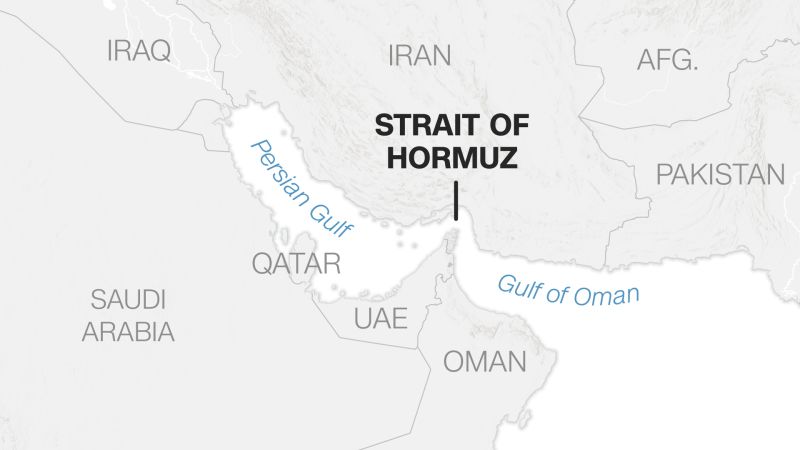
Iran claims the Strait of Hormuz is closed again. Few ships were leaving in the first place

Daftar Isi
Iran Closes Strait of Hormuz Again Amid Global Concerns
Iran claims the Strait of Hormuz – Iran has once again declared the Strait of Hormuz closed to maritime traffic, intensifying fears of disruptions to global oil supply chains. This announcement came as tensions in the Persian Gulf remained high, following a temporary easing in early May when the critical waterway was partially reopened. However, ship operators had already begun reducing their voyages through the strait before the formal declaration, according to data from marine intelligence firm Kpler. On Thursday, only 25 vessels passed through the strategic passage, marking a sharp decline from the usual volume. Analysts attribute this slowdown to persistent caution among maritime companies, who are still wary of the risks posed by the region’s instability.
“The closure isn’t a sudden mass exodus,” said Matt Smith, Kpler’s principal energy strategist. “It’s more of a gradual shift in confidence, with operators remaining hesitant to commit to regular routes.”
While the Strait of Hormuz remains a lifeline for international oil exports, its current status has sparked widespread concern. The waterway, which connects the Arabian Sea to the Gulf of Oman, sees about 100 to 120 oil tankers daily under normal conditions. Now, the number has fallen to single digits, as highlighted by Smith. This drop underscores the ongoing uncertainty, with operators delaying decisions due to fears of further attacks or operational disruptions. The situation has also raised questions about the long-term impact on global energy markets and shipping logistics.
Strait of Hormuz Closure and Security Challenges
Although a ceasefire agreement between Iran and the United States was signed to end hostilities, the Strait of Hormuz remains vulnerable to renewed closures. Experts note that the central portion of the waterway is still mined, effectively blocking passage for most vessels. Only the inshore zones near Oman and Iran are reported to be free of mines, allowing limited traffic. Jakob Larsen, chief safety and security officer at BIMCO, emphasized that even with clearer waters, the security situation for the shipping industry remains volatile.
“The Strait of Hormuz’s closure isn’t just about mines—it’s about the broader geopolitical risks that continue to weigh on operators,” Larsen stated in a recent update. “Clearing the waters is one challenge; ensuring safe passage through the inshore areas is another.”
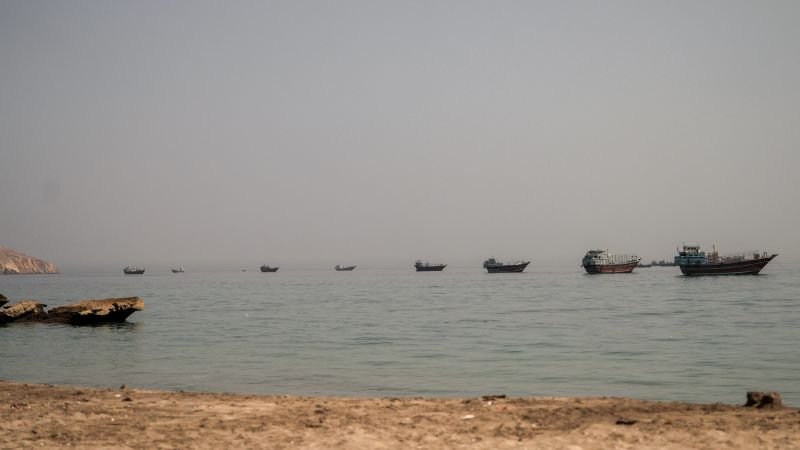
Meanwhile, nearly 500 ships, including 220 oil tankers, remain stranded in the Persian Gulf. This congestion highlights the cascading effects of the strait’s closure, as delayed shipments disrupt energy markets. Industry leaders are now debating how long it will take for operations to normalize, with some expressing optimism while others remain skeptical about the durability of the agreement. The backlog of vessels further complicates efforts to restore full capacity, as companies struggle to coordinate resupply and departure schedules.
Maritime workers, too, are showing signs of unease. Ben Bailey of Mission to Seafarers noted that many crew members are eager to return home but remain apprehensive about the risks of navigating the region. “There’s a mix of hope and hesitation,” Bailey remarked. “They want to move, but they’re not ready to gamble on the safety of the route.” This sentiment reflects broader anxieties within the shipping sector, where operators are balancing the need to maintain operations with the fear of potential incidents.
Insurance concerns have also played a role in slowing recovery efforts. Lloyds of London and other insurers initially withdrew war-risk coverage during the conflict, forcing shipowners to shoulder additional costs. Tom Kloza, an independent oil analyst, pointed out that the closure of the Strait of Hormuz was not solely due to Iran’s actions but also to the insurers’ cautious stance. “The Strait of Hormuz is closed because of both military and financial factors,” Kloza explained, noting that confidence in the peace agreement is still lacking.
Practical issues, such as fuel management and crew rotations, further delay the resumption of full traffic. The BIMCO association highlighted the risks of prolonged anchoring, including the buildup of barnacles on ship hulls and the strain on onboard resources. “It’s not just about the Strait of Hormuz being open—it’s about the entire system being ready to restart,” said Bailey. “Operators need assurance that the situation will stabilize before they commit to long-term plans.”