
How Cracker Barrel saved itself
How Cracker Barrel Reclaimed Its Identity
How Cracker Barrel saved itself – Cracker Barrel’s journey from a controversial modernization effort to a cautiously optimistic recovery has become a case study in brand resilience. CEO Julie Felss Masino, who initially feared she had lost public favor after a botched redesign, now appears to be steering the company back toward its core values. The chain’s recent financial performance, coupled with a surge in stock value, suggests that its efforts to reconnect with its Southern heritage and classic charm are beginning to pay off.
A Shift in Strategy
Early this year, Masino admitted she had underestimated the emotional attachment customers had to Cracker Barrel’s traditional image. After a six-month period of backlash, the company’s decision to refocus on its roots has reinvigorated its appeal. By emphasizing Southern-inspired comfort food and Americana-themed merchandise, Cracker Barrel has managed to reverse some of the damage caused by its earlier changes. This strategic pivot has led to improved revenue figures and a renewed sense of confidence among investors.
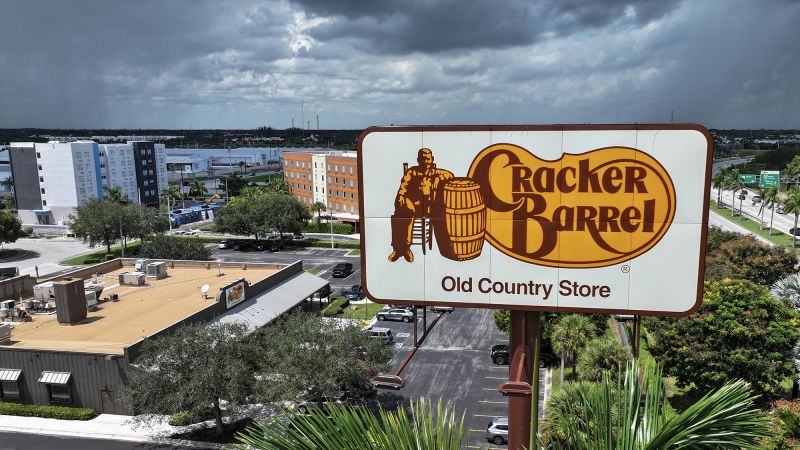
Following the summer of 2025, when the brand launched a bold rebranding campaign, Cracker Barrel faced a sharp decline in both foot traffic and share prices. The updated logo, which replaced the iconic dark wooden elements with a more minimalist design, and the removal of souvenir-filled walls sparked widespread criticism. Critics argued that the changes stripped the brand of its nostalgic appeal, positioning it as a symbol of modernity rather than tradition. The stock price dropped by 12% within weeks, and the company’s struggles drew attention from political figures, including former President Donald Trump, who publicly expressed his disapproval.
“It’s really difficult to be at the helm of a brand that has the kind of legacy and reputation that Cracker Barrel does, because that’s powerful,” said Robert Byrne, senior director of consumer research at Technomic. “When you try to effect changes – in attempts to modernize the brand in one way or another — that’s a thorny issue for a lot of consumers.”
After the initial turmoil, Masino and her team took a step back to reassess their approach. The CEO shifted her focus from aesthetic overhauls to menu-centric improvements, prioritizing items that resonated with longtime customers. This included the reintroduction of beloved classics such as country ham, fried catfish, and foil-wrapped Campfire Meals, alongside affordable value meals priced under $10. The decision to eliminate the redesigned logo and bring back a former executive who had previously managed menu strategy marked a clear signal of the company’s commitment to its heritage.
Cracker Barrel also strengthened its loyalty program, which has since grown to nearly 12 million members. These customers now account for over 40% of the chain’s sales, reflecting a deepening connection with the brand’s values. Additionally, the gift shops were revamped with American-themed merchandise in anticipation of the nation’s 250th anniversary. Masino described this move as a way to “proudly celebrate America and patriotism,” a sentiment that aligns with the brand’s traditional identity.
Despite these efforts, Cracker Barrel’s traffic still shows signs of struggle. The company reported a 6.7% drop in visits during the most recent quarter, though Chief Financial Officer Craig Pommells noted that the decline was a “gradual improvement” compared to previous months. He expressed encouragement about the trend, highlighting that the brand’s strategy was beginning to take hold. “The trends suggest the brand has put the right strategies in place,” added R.J. Hottovy, head of analytical research at Placer.ai.
“The limited-time offerings and value-focused pricing align with what restaurant consumers want in today’s macroeconomic environment, while the returning favorites help rekindle customers’ nostalgia for the brand,” Hottovy told CNN.
Technomic’s data further supports this narrative, showing significant improvements in metrics like service quality, food preparation, and cleanliness. Byrne noted that the brand now has “notably higher scores for value and order accuracy,” indicating that customers are increasingly satisfied with the experience. These positive signals have led Byrne to believe that Cracker Barrel is on the path to long-term recovery. “With the recent focus on fundamentals and a renewed commitment to the brand’s unique and authentic history, there is a lot for loyal guests to be excited about and for new guests to enjoy,” he said.
For Masino, the path to redemption has been both deliberate and measured. She has taken a more active role in communicating with customers, particularly during a November interview with conservative radio host Glenn Beck. “What we didn’t see in the data was the way that people see themselves in the logo,” she explained. “When the ‘old timer’ and when the barrel were gone, it was like we had taken them out of it and that we weren’t valuing what they valued.” This acknowledgment of the public’s sentiment has helped rebuild trust in her leadership.
The chain’s recovery is not without challenges, however. While revenue has improved, the overall traffic decline remains a concern. Yet, Masino’s ability to balance modernization with tradition has positioned Cracker Barrel as a competitor in the family dining sector. Unlike brands like Red Lobster or TGI Fridays, which have faced more severe financial setbacks, Cracker Barrel’s struggles are seen as part of a broader industry trend. “The roadside staple needed to attract new customers, especially younger ones, after years of sagging sales,” Masino emphasized during the interview.
Industry analysts view the company’s current direction as a pragmatic response to changing consumer preferences. The focus on affordability, nostalgia, and cultural authenticity has addressed key concerns raised by critics. Masino’s decision to remove the marketing agency behind the original redesign and reintroduce menu-driven initiatives has been praised for its alignment with customer expectations. “The changes are ‘paying off,’ said Hottovy. “By returning to its core offerings and reinforcing its heritage, Cracker Barrel has managed to retain its loyal base while appealing to a wider audience.”
Looking ahead, the company’s leadership remains committed to its strategy of blending the old with the new. The successful integration of value meals and classic dishes has not only boosted sales but also reinforced the brand’s position as a go-to destination for Southern comfort. As Masino prepares to address investors again, the CEO’s message is clear: the company is no longer just surviving, but regaining its footing in a competitive market. “We are still the Cracker Barrel they know and love,” she reiterated during a recent earnings call, a statement that underscores the brand’s determination to stay true to its identity while adapting to contemporary tastes.
Cracker Barrel’s story serves as a reminder of the delicate balance required in rebranding. While modernization can bring fresh energy, it also risks alienating the very customers that made the brand a staple. By listening to feedback and recalibrating its approach, the company has demonstrated that it is possible to honor tradition without abandoning innovation. As the chain continues to refine its offerings and strengthen its customer relationships, the hope is that it will not only recover from its recent setbacks but also thrive in the evolving landscape of American dining.
