
The dream European vacation is under siege this summer. But it’s not all bad
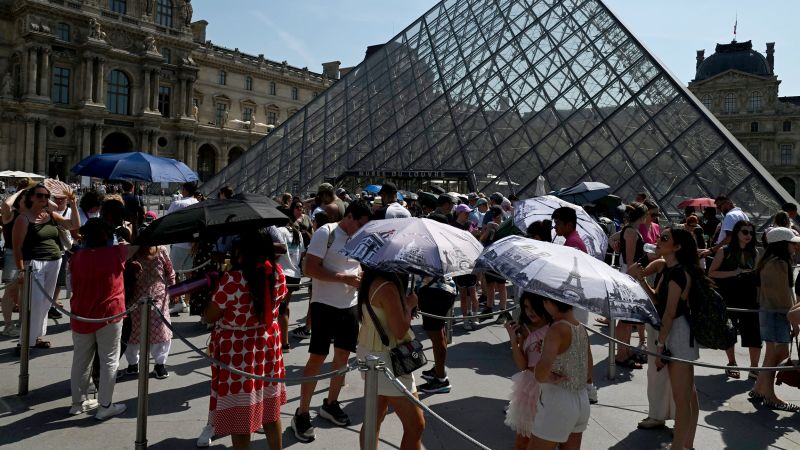
The dream European vacation is under siege this summer. But it’s not all bad
The dream European vacation is under – As summer 2026 reaches its peak, the European travel landscape is facing new challenges that have shifted the focus from overtourism to more immediate concerns. While the overcrowded tourist spots of the past are still a memory, travelers now grapple with questions about accessibility, safety, and logistics. For many, the journey itself has become a source of anxiety, with disruptions to flights and uncertainties about health risks threatening the seamless experience once associated with a European getaway.
Fuel Shortages Threaten Summer Travel
The summer of 2026 is marked by a growing specter of fuel shortages, creating turbulence in the skies. According to aviation analytics firm Cirium, over 13,000 flights were temporarily removed from global schedules in May alone, disrupting travel plans for thousands. This crisis has forced airlines to adjust their strategies, with some reducing capacity or suspending long-haul routes to mitigate risks. However, industry experts remain cautiously optimistic about the situation.
“The reality of travel is very different now,” says Julia Lo Bue-Said, CEO of the Advantage Travel Partnership. “We’re having to operate in a very different geopolitical environment, and there are big, macro topics that are impacting everything—not just vacations but our way of life, our weather, everything. That’s just our world now.”
Denton Cinquegrana, chief oil analyst at Dow Jones Energy, explains that despite the global oil supply being strained, the situation is not as dire as it seems. “The Strait of Hormuz was partially reopened after President Trump’s peace deal with Iran, which helped stabilize some flows,” he notes. “While the oil situation remains tight, refiners and suppliers have made adjustments, and demand has been managed through airline capacity cuts. It seems like an ‘it takes a village’ approach to keeping jet fuel well supplied.”
Cinquegrana acknowledges that the road to recovery isn’t entirely smooth. “We’re not entirely out of the woods yet,” he admits. “The chances of a major supply crunch have decreased, but we can’t rule it out. What if negotiations break down and we’re back to square one? It’s a possibility, though I don’t think it’s a certainty.” He adds that it may take four months after the Hormuz reopening to fully restore normal fuel supplies, which are still higher than pre-crisis levels.
To minimize the risk of flight cancellations due to fuel shortages, Cinquegrana recommends prioritizing destinations with their own refining capabilities. “Spain, for example, has its own operational oil refineries, which act as a buffer compared to nearby countries that rely more on imports,” he explains. This independence could mean more reliable flights, especially for those heading to the Iberian Peninsula. He also suggests booking flights through major hubs like Rome or Heathrow instead of smaller, seasonal airports such as Palermo or Manchester. “Traveling onward via trains or ferries instead of connecting flights can help avoid delays,” he adds.
Health Concerns Take Center Stage
While fuel shortages dominate the headlines, health risks are also at the forefront of travelers’ minds. The summer of 2026 has seen a resurgence of infectious diseases, with outbreaks of gastroenteritis, Hantavirus, and Norovirus raising alarm bells. For families planning trips, these threats have added a layer of complexity to their preparations.
“We were considering canceling, and I was concerned that I have two boys aged four and one,” says Dr. Julie Hammond, who decided to proceed with her June family vacation to the Cape Verde Islands. “But it was a lot of money to lose, so we went ahead but took extra precautions.”
Hammond’s decision highlights how health precautions are now an integral part of travel planning. To guard against stomach bugs, she implemented a rigorous cleaning routine, using antibacterial wipes and hand sanitizer to disinfect surfaces. Her approach began on the plane, where she wiped down armrests, screens, and tray tables. Upon arrival at the hotel, she focused on the bathroom, a key area where pathogens often spread. “If anyone had stomach bugs, the bathroom is the place they’ll be,” she says. “Definitely do the seat, flush, door handle, and taps.” She even boiled water to clean in-room glasses, a step she admits was “probably over the top,” but she claims it helped them survive their first week of the trip.
Travelers in heatwave zones are also being advised to take extra care. With temperatures soaring across parts of Europe, dehydration and heat-related illnesses have become a new concern. Experts warn that the combination of high temperatures and increased time spent outdoors—whether hiking, sightseeing, or dining—could heighten the risk of health issues. “Tourists need to stay hydrated and monitor their energy levels,” says one travel consultant. “Even a mild heatwave can turn a stress-free vacation into a battle against exhaustion.”
Adapting to a New Travel Reality
Despite the challenges, the European travel industry is adapting to the evolving landscape. Cinquegrana predicts that airlines will increasingly invest in “hedging” programs to secure fuel supplies at fixed prices, a practice that had been largely abandoned in recent years. “This is the latest in a series of blips, not the end of the road for aviation,” he says. “We’re seeing a shift in how airlines manage risk, and that’s a positive sign for the long-term stability of travel.”
For travelers, the key to a memorable 2026 summer lies in flexibility and preparation. While the dream of a carefree vacation is still possible, it requires navigating a more complex set of circumstances. “The best way to avoid fuel-related disruptions is to choose destinations with reliable infrastructure and prioritize direct routes,” Cinquegrana advises. “And if you’re worried about health, don’t underestimate the power of simple hygiene habits.”
As the summer unfolds, the focus remains on overcoming these hurdles. Whether it’s avoiding flight cancellations or staying safe from viruses, the 2026 season is proving that travel is about resilience as much as it is about enjoyment. For those who embrace the challenges, the rewards of exploring Europe remain as enticing as ever—though the path to getting there might be a bit more unpredictable this year.
Meanwhile, the broader implications of these disruptions extend beyond individual trips. The geopolitical and environmental factors affecting travel are interconnected, with climate change and global supply chains playing a role in shaping the summer’s uncertainties. As travel professionals continue to refine their strategies, the hope is that 2026 will serve as a stepping stone toward a more resilient and sustainable future for European tourism.
Even with these challenges, the European summer still offers a wealth of opportunities. From the cultural richness of historic cities to the natural beauty of coastal landscapes, the continent remains a top destination. The real question now is how travelers can balance the excitement of exploration with the practicalities of navigating a more volatile travel environment. With careful planning and a dash of adaptability, the dream of a perfect European vacation is still within reach—albeit with a few more hurdles to overcome along the way.
