Former CEO of Italian highway operator sentenced over Genoa bridge tragedy

Justice Delivered: Castellucci Faces Prison Term for Genoa Bridge Catastrophe
A Verdict That Echoes Through Italian Legal History
Former CEO of Italian highway operator – In a courtroom filled with the families of those who lost their lives, an Italian judicial body handed down its decision on Thursday regarding the tragic events that unfolded in Genoa. Giovanni Castellucci, the former chief executive of Atlantia, received a twelve-year prison sentence connected to the devastating 2018 failure of a major motorway bridge. This landmark ruling represents more than just punishment for one individual; it symbolizes a broader quest for accountability within Italy’s complex legal framework.
The disaster occurred when vehicles plummeted from the elevated roadway, claiming forty-three lives. At that critical moment, Atlantia held the controlling shareholder position in Autostrade per l’Italia, the company responsible for operating the highway infrastructure. The courtroom was densely packed with relatives seeking answers and closure after years of waiting for justice to be served through what many consider a deliberately slow judicial process.
Legal Proceedings and Broader Implications
Under Italy’s legal system, this initial ruling is subject to appeal at least twice before becoming final. Castellucci, who was already incarcerated serving a separate six-year term related to another fatal accident involving a viaduct in southern Italy back in 2013, did not attend the proceedings to hear the verdict personally. His absence from the courtroom did not diminish the significance of the moment for everyone present.
The trial encompassed fifty-seven individuals in total, ranging from corporate executives and structural engineers to government officials from the transport ministry. Among the most severe accusations brought against them were charges of multiple manslaughter and criminal negligence. Prosecutors contended that prolonged periods of insufficient maintenance, overlooked warning indicators, and postponed safety improvements all contributed to the catastrophic failure of the bridge structure.
The Morandi Bridge: A Symbol of Infrastructure Challenges
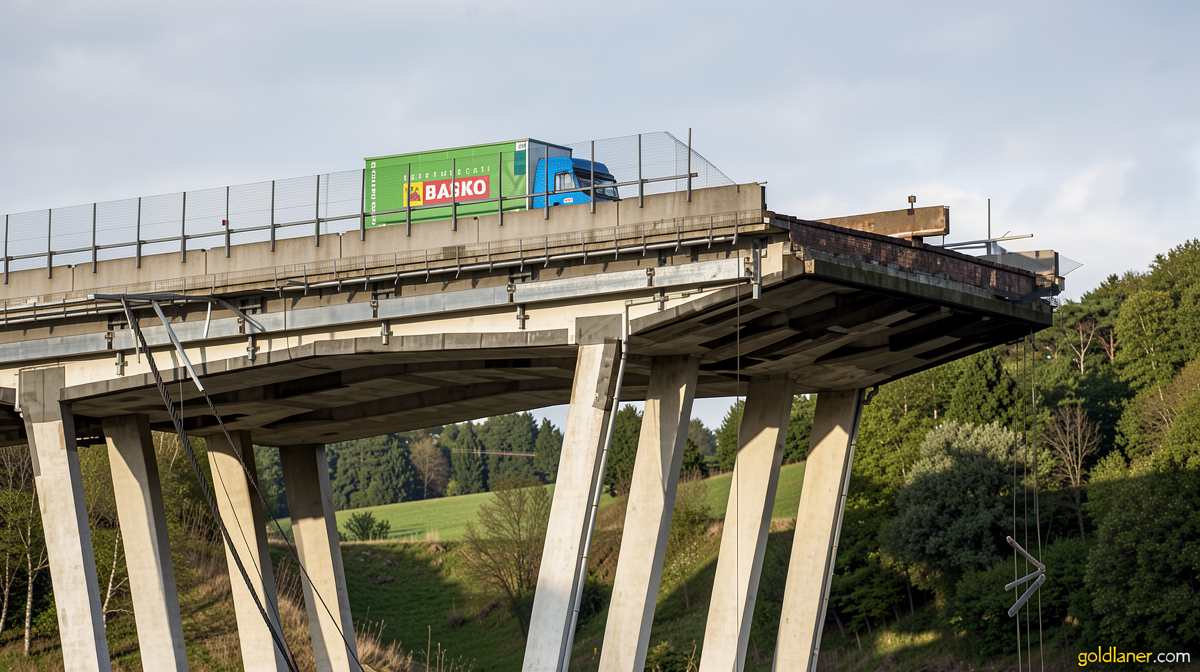
The Morandi bridge, which had stood for fifty-one years at the time of its collapse, became an enduring symbol of Italy’s aging infrastructure problems. The failure occurred during a powerful summer storm on the evening before a national holiday, catching thousands of drivers off guard. A massive fifty-meter section of the structure gave way, sending approximately thirty-five vehicles crashing down onto warehouses and the riverbed below.
This dramatic event sent shockwaves throughout the nation and initiated extensive investigations into how the bridge’s management and maintenance had been handled over decades. The aftermath also sparked a significant dispute between Atlantia, which is controlled by the influential Benetton family, and the Italian government of that period. The conflict ultimately resulted in Atlantia selling its controlling stake in Autostrade.
Voices of Apology and Defense
On Wednesday, the current leader of Autostrade published an open letter expressing the company’s dedication to preventing similar tragedies in the future. The letter acknowledged the profound suffering experienced by all those affected.
“I wish to apologize to the victims’ families, to the people of Genoa, and to all Italians for the suffering caused by the tragic Morandi disaster, fully aware that our gesture can never erase their pain,” Autostrade CEO Arrigo Giana wrote in his public statement.
Meanwhile, defense attorneys presented an alternative explanation for what went wrong. They argued that the root cause lay in an original design flaw within the bridge’s stay cable number nine—the specific cable that ultimately failed. According to their position, no amount of maintenance or inspection could have prevented such a structural failure from occurring.
Looking Forward: Accountability and Prevention
The sentencing represents a crucial step toward establishing responsibility for one of Italy’s most significant infrastructure failures. While the legal process continues through potential appeals, the verdict has already sent ripples through both the corporate and governmental sectors. The case has prompted renewed scrutiny of how critical infrastructure is managed, maintained, and funded across the country.
For the families of the forty-three victims, the twelve-year sentence offers a measure of validation for their long struggle. Their presence in the courtroom demonstrated that the search for justice remains ongoing, even as the nation works to ensure that such a devastating loss of life will not happen again. The Morandi bridge tragedy continues to serve as a powerful reminder of the consequences when infrastructure management fails those who depend on it every day.