Dangerous smoke from Canadian wildfires moves into the Great Lakes and Northeast

Dangerous Smoke from Canadian Wildfires Reaches Great Lakes Region
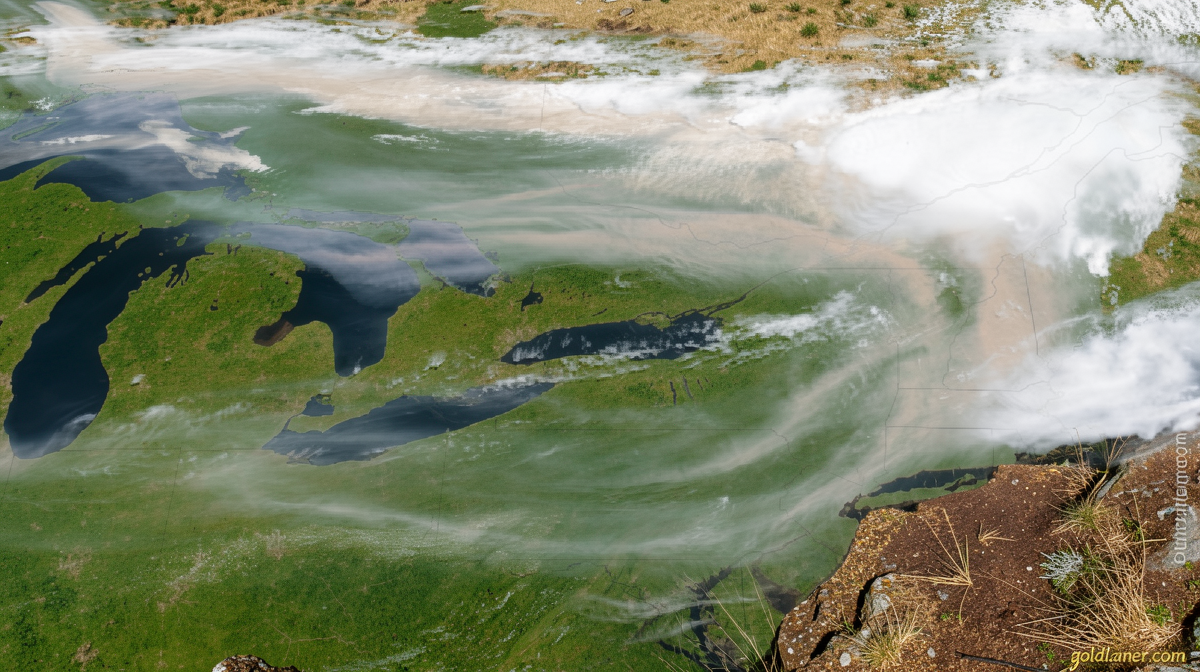
Dangerous smoke from Canadian wildfires moves – Thick clouds of smoke originating from Canadian forest fires are currently cascading across the international boundary, threatening air quality for over 100 million residents throughout the Midwest and Northeast regions. This dangerous smoke from Canadian wildfires has become a significant concern as dense haze drifts southward from northern fire zones. While smoke has already been problematic this summer in western, plains, and midwestern areas due to domestic blazes consuming more than 3.6 million acres, the denser haze heading eastward comes from fires located to the north. Cities including New York and Washington, DC are bracing for the thickest smoke yet as it drifts southward.
Record-Breaking Heat Patterns Drive Smoke Movement
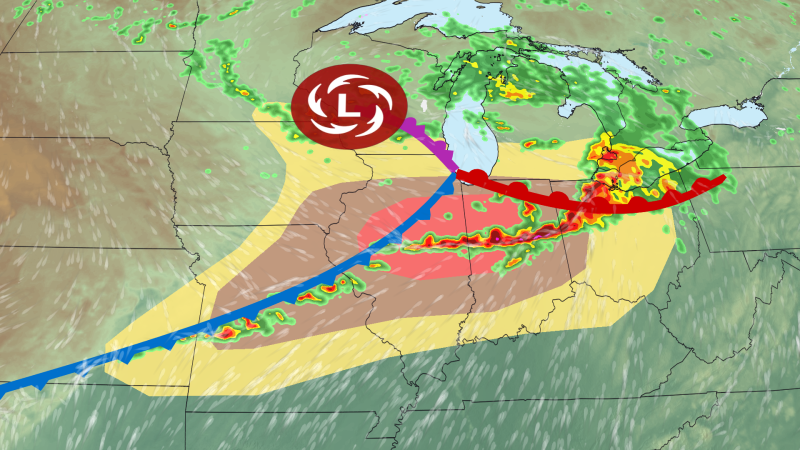
A powerful heat dome currently parked over the central United States is playing a crucial role in transporting Canadian smoke into American airspace. This atmospheric phenomenon creates clockwise air circulation, and this week’s version is positioned perfectly to funnel emissions from northern Minnesota and southern Ontario directly into the Midwest and Northeast. The northern boundary of this high-pressure system sits exactly where wildfires are actively burning, creating an ideal pathway for smoke migration.
Canadian fire activity this season has seen more than 3,000 blazes consume nearly 4.5 million acres, with twelve significant fires recently igniting in Ontario alone. While this year’s numbers fall short of 2023’s unprecedented hyperactivity, the combination of Ontario wildfires and American heat patterns creates substantial smoky challenges for millions of residents. The dangerous smoke from Canadian wildfires continues to expand its reach as weather systems shift across the continent.
Health Implications and Precautions
The smoke contains dangerous PM2.5 particles—minuscule pollutants capable of penetrating deep into lung tissue and entering the bloodstream when inhaled. These tiny particles can trigger breathing complications such as bronchitis and create inflammation that worsens existing conditions including diabetes and cardiovascular disease. Much of Michigan, Minnesota, and Wisconsin currently operate under air quality alerts, while the National Weather Service warns Chicago residents to expect potential concerns later this week.
“Vulnerable populations including children, older adults, and individuals with respiratory or cardiac conditions face heightened risks from smoke exposure,” health officials have stated. “We recommend limiting outdoor activities and maintaining closed windows throughout the night to minimize exposure.”
Vulnerable populations including children, older adults, and individuals with respiratory or cardiac conditions face heightened risks from smoke exposure. Health officials recommend limiting outdoor activities and maintaining closed windows throughout the night to minimize exposure. The dangerous smoke from Canadian wildfires poses particular threats to those with pre-existing health conditions who may experience exacerbated symptoms during peak pollution days.
Historical Context and Future Outlook
Three years ago, Canada experienced its worst wildfire season on record, with 4,300 fires already burning 25 million acres by this time. During June 2023, smoke completely enveloped the New York City skyline as northerly winds pushed a massive wall of emissions from Quebec into Manhattan. A dominant high-pressure system over Hudson Bay combined with a storm system above Atlantic Canada to funnel smoke into the Midwest and Northeast for approximately four days.
A study published last year estimated that more than 350 million people experienced daily wildfire smoke-induced air pollution during that extensive 2023 event. Fortunately, Canadian wildfire activity began later this year compared to that record-setting season, suggesting this year’s smoke may not prove as pervasive across the continent. However, the dangerous smoke from Canadian wildfires remains a persistent concern as the season progresses.
With several months remaining in the wildfire season, additional Canadian smoke plumes could continue migrating southward. The only positive aspect of this smoky situation involves temperature moderation—smoke blocks sunlight, potentially providing relief for northeastern regions anticipating high temperatures in the coming days.
Climate scientists note that fossil fuel pollution continues increasing the probability of extended smoke seasons, suggesting that extreme wildfire events like 2023’s may no longer remain statistical outliers for much longer. As atmospheric patterns shift, millions of Americans should prepare for increasingly frequent encounters with northern smoke emissions. The dangerous smoke from Canadian wildfires represents not just a seasonal inconvenience, but a growing climate challenge that will likely intensify in coming years.