US government softens stance on Iran’s World Cup team entering country ahead of showdown against Egypt

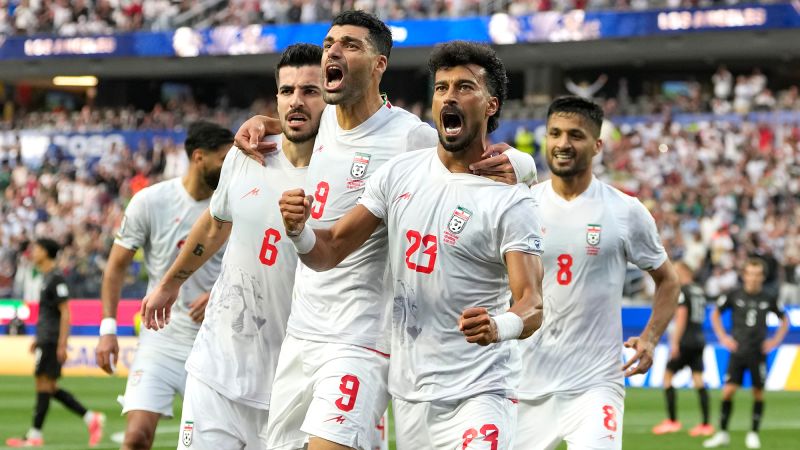
Iranian National Team Gains Flexibility in US Entry Amid World Cup Tensions
US government softens stance on Iran – The United States government has adjusted its restrictions, permitting the Iranian national team to enter the country two days prior to their upcoming World Cup match against Egypt. This change comes ahead of the team’s third game in Seattle, scheduled for June 26. A spokesperson from the Department of Homeland Security confirmed to CNN that the Iranian delegation will now be allowed to arrive in the United States on June 24, two days before the match, rather than the previous requirement to enter just one day in advance. The adjustment aims to ease logistical challenges while maintaining the same security protocols that have governed the team’s access to the US.
“For the Iranian team’s third match in Seattle on June 26, the team has been permitted to come into the US two days before the match,” said a Department of Homeland Security spokesperson. “The overall security measures and protocol are the same. We remain committed to providing the safest tournament possible for players, staff, and fans alike.”
This decision follows months of diplomatic maneuvering, as the Iranian team navigated the complexities of hosting a World Cup match in a nation with which it has been at war. Initially, Iran planned to base its operations in Tucson, Arizona, but last-minute adjustments forced a relocation to Tijuana, Mexico. The move was necessitated by ongoing tensions that had complicated the team’s access to the United States, including visa denials for some members of their traveling delegation. These issues had previously limited the team’s ability to stay in the country for extended periods, requiring them to enter just one day before their first two matches and depart immediately afterward.
Their situation has been a source of frustration, as the team faced logistical hurdles and delays. For instance, after playing against New Zealand in the opening game, the delegation was forced to return to Tijuana hours later, despite expectations of staying in Los Angeles overnight. The abrupt departure left players and staff feeling undervalued, with complaints directed at the US government. Officials responded by emphasizing that the arrangement was a mutual agreement, stressing that the Iranians had always understood the need to leave the country promptly after each match.
A Unique Challenge in a Hostile Environment
Iran’s participation in the World Cup within the United States has been an unprecedented feat. The nation’s rivalry with the US has created a backdrop of diplomatic tension, yet the Iranian team has managed to compete under these conditions. The tournament’s expanded format has provided them with opportunities to accumulate points, as they have secured two draws so far. Their 2-2 tie with New Zealand and a 0-0 stalemate against Belgium have positioned them second in Group G, just above Belgium in the standings. If they defeat Egypt in their next match, they would clinch the group and advance to the knockout rounds.
Their journey has not been without obstacles. Early in the tournament, there were reports of uncertainty, with some speculation that Iran might withdraw from the competition in protest over the war. Discussions even emerged about relocating their matches outside the US, but the team ultimately chose to proceed with their schedule. This resilience has been highlighted as a key factor in their ability to maintain a competitive edge despite the challenges.
Broader Implications of the Visa Adjustments
The easing of entry restrictions for the Iranian team reflects a broader effort to facilitate smoother operations for international participants. While the US has maintained strict security protocols, the change allows for greater flexibility in travel planning. This is particularly significant for Team Melli, which has faced repeated disruptions due to visa issues. The ability to arrive two days before the match against Egypt could provide additional time for rest and preparation, potentially impacting their performance on the field.
However, the adjustments do not signify a complete thaw in US-Iran relations. Tensions remain high, with the two nations still engaged in a delicate balance of hostilities and diplomacy. The memorandum of understanding that has been established is seen as a temporary measure, allowing the tournament to proceed without major disruptions. Despite this, the underlying political friction continues to influence the team’s experience, from the logistical challenges of basecamp changes to the symbolic significance of playing in a nation with which they are at war.
Team Iran’s Adaptability and Strategic Play
Iran’s ability to adapt to these conditions has been a testament to their organizational strength. The team’s basecamp shift from Tucson to Tijuana underscores the challenges of operating in a politically charged environment. While the move may have caused temporary inconvenience, it has not hindered their ability to perform. Their draw against New Zealand and Belgium demonstrates a strategic approach to the tournament, leveraging their expanded group format to secure points without overcommitting to high-risk matches.
Their upcoming encounter against Egypt at Lumen Field in Seattle is a critical moment. A victory here would not only solidify their position in Group G but also serve as a symbolic triumph over the political barriers that have surrounded their participation. The match is expected to draw significant attention, both for its sporting implications and for its broader geopolitical context. Analysts note that the decision to allow the team to enter the US two days before the game represents a calculated move to maintain the integrity of the tournament while addressing the team’s needs.
As the World Cup progresses, the focus will remain on Iran’s ability to navigate these unique circumstances. The US government’s flexibility in entry rules has been praised as a positive step, but questions linger about the long-term impact of such concessions. The team’s presence in the tournament has been a source of pride for Iran, highlighting their determination to compete despite the challenges. With two matches under their belt and a crucial game ahead, the Iranian squad is poised to make a significant statement, both on the field and in the context of international relations.
The broader implications of this arrangement extend beyond the immediate match. It raises questions about the future of Iran’s participation in global sporting events and the potential for further diplomatic adjustments. While the current measures have allowed the team to proceed with their schedule, the underlying tensions between the US and Iran continue to shape the experience. The Iranian delegation’s gratitude for the hospitality extended by Los Angeles, as noted in their recent statements, contrasts with the logistical hurdles they faced, underscoring the complexity of their situation.
As the World Cup continues, the Iranian team’s journey serves as a microcosm of the broader geopolitical landscape. Their success in securing draws and their potential advancement to the knockout rounds will be watched closely, not only for their sporting achievements but also as an indicator of the willingness of nations to collaborate despite political differences. The US government’s decision to ease entry restrictions for Team Melli marks a notable shift, but the road ahead remains uncertain. For now, the focus is on the game against Egypt, where the team will aim to turn their tournament fortunes around.
With the US-Iran tensions still present, the Iranian delegation’s ability to adapt and perform will be a key factor in the success of their campaign. The new entry rules have provided them with a slight advantage, but the overall challenge of competing in a hostile environment remains. As they prepare for their third match, the team will be relying on their resilience and tactical discipline to overcome these obstacles. The outcome of their game against Egypt could serve as a turning point, either reinforcing their position in the group or opening the door to new opportunities in the World Cup.
For the players and staff, the logistical changes have been a welcome relief, allowing for more time to recover and acclimate to the US environment. This adjustment is part of a broader effort to ensure that the tournament proceeds smoothly, despite the political challenges. The success of Iran’s team in navigating these conditions highlights the importance of flexibility in international sports diplomacy. As the World Cup unfolds, the story of Team Melli will continue to reflect the intersection of sports and politics, offering a unique perspective on the global stage.
In conclusion, the US government’s softened stance on Iran’s World Cup team represents a significant development in the tournament’s logistical and diplomatic framework. While the security measures remain unchanged, the new entry rules have allowed for greater adaptability, benefiting the team and their fans. The upcoming match against Egypt will be a pivotal moment, testing their ability to capitalize on this flexibility. As the Iranian squad prepares for the game, their journey through the tournament will remain a compelling narrative, blending sportsmanship with the complexities of international relations.