Three things we’ve learned from the World Cup… so far

Reflections on the World Cup: Lessons Learned Before the Final
Three things we ve learned – The final Friday before a World Cup championship match carries a peculiar atmosphere. It feels somewhat suspended, removed from the intense action and excitement that has defined the tournament. Yet this quiet moment serves as preparation for what comes next. Both Argentina and Spain are working diligently behind the scenes, perfecting their strategies for Sunday’s decisive encounter. Supporters worldwide are also making their final arrangements for viewing the match, though one Spanish editor noted with disappointment that their own viewing experience will involve a computer screen rather than a traditional pub setting.
A Tournament That Redefined Expectations
Before any matches were played this summer, anticipation suggested this would be an extraordinary World Cup. The tournament featured forty-eight competing nations for the first time in history, with an expanded group stage providing opportunities for four countries to make their debut appearances on the world stage. Perhaps the most significant takeaway has been the reminder never to underestimate any participant.
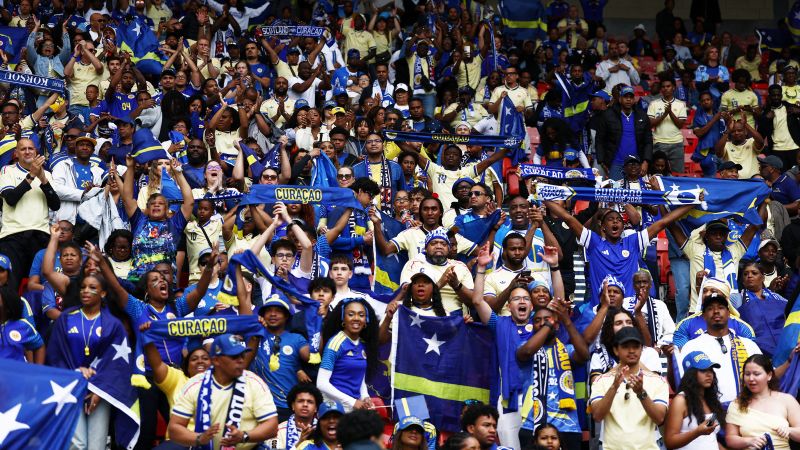
From the opening week, smaller nations proved they were content with nothing less than competing seriously. Several surprising results emerged during both group and knockout phases. Cape Verde stood out as the most remarkable example of this phenomenon. This small island nation delivered energy, enthusiasm, and genuine skill throughout the competition, advancing to the knockout rounds before ultimately losing to Argentina in extra time.
Remarkably, neither of the two finalists managed to defeat Cape Verde within the standard ninety minutes of play. The Blue Sharks also secured a goalless draw against Spain during their opening group match, much to the frustration of that aforementioned Spanish editor.
Messi’s Remarkable Resurgence
While underdog teams exceeded expectations, one lesson emerged clearly: individual brilliance still matters enormously. Lionel Messi has proven himself far more influential than many anticipated. Having relocated to Major League Soccer in the United States, observers assumed the Argentine star was essentially enjoying retirement while maintaining some connection to professional football. Those assumptions proved entirely incorrect.
Messi has adapted his playing style while remaining capable of deciding matches at the highest level. Argentina’s presence in the final owes much to his contributions. At thirty-nine years old, he currently leads the tournament’s scoring charts, yet his ability to create opportunities for teammates represents his greatest strength. Though his speed has diminished somewhat, his exceptional passing vision continues to dismantle opposing defenses and generate scoring chances.
Only two players within the past six decades have simultaneously recorded the highest number of shots and created the most opportunities at a World Cup. Those players are Diego Maradona during the 1986 tournament and Lionel Messi in the current edition. Already considered a legend, an additional World Cup championship would elevate Messi to unprecedented status.
Soccer’s Growing Appeal in America
A third important lesson concerns the future of football in the United States. For many years, discussions focused on efforts to increase the sport’s popularity domestically, with investments in MLS expected to transform the landscape. Figures like David Beckham and Zlatan Ibrahimović attracted attention but failed to spark genuine grassroots enthusiasm.
While it remains premature to assess the tournament’s lasting impact, the atmosphere feels noticeably different. With American audiences now experiencing the game firsthand, witnessing the atmosphere, and connecting with international supporters, understanding of the sport has deepened considerably. Statistical evidence supports this observation as well.
The United States’ concluding match against Belgium achieved the highest television viewership for any soccer game in American history, as the nation embraced the national team. Challenges remain for developing the sport at community levels, but it will be intriguing to observe how many of these newly converted supporters return for the World Cup scheduled four years from now.
The Final Showdown Approaches
Sunday’s championship match will showcase two exceptional talents, Lamine Yamal and Lionel Messi, who have frequently been compared throughout their careers. Both players achieved breakthrough success at Barcelona, both operate primarily on the right side of the pitch, and both demonstrate extraordinary natural ability. While Yamal still has considerable development ahead before matching Messi’s achievements, these two stars will face each other directly on the field for the first time on Sunday.
This represents more than just another encounter between young and established talent. It symbolizes a passing of the torch, even if that transition will take years to complete fully.
But let’s get back to the game in hand: Sunday’s World Cup final. The game will feature two superstars, Lamine Yamal and Lionel Messi, who have often been compared.
After all, both made their breakthroughs at Barcelona, both play on the right and both possess outrageous natural talent. And while Yamal has a long way to go before he can match what Messi has achieved in the sport, the pair will clash for the first time on the pitch on Sunday.