They came for the soccer. They fell in love with ranch dressing

Unexpected Culinary Obsession at the World Cup
They came for the soccer They – While the World Cup has traditionally spotlighted the host nation’s signature dishes, this year’s event has taken an unexpected turn. A creamy, herbaceous sauce known as ranch dressing—crafted from buttermilk, oil, and a blend of spices—has emerged as a surprising favorite among international visitors. This phenomenon, dubbed the “ranch dressing trend,” has even caught the attention of the Transportation Security Administration (TSA), which manages passenger screening at airports. The agency’s recent Instagram post humorously noted the challenge of transporting the sauce: “Yeah sooo your carry-on wasn’t actually made for *checks notes* 4 bottles of ranch …”
A Global Appetite for the American Classic
Ranch dressing, once a humble staple of American diners, is now being celebrated by travelers from around the world. The sauce, which holds the title of the U.S.’s most popular salad dressing for decades, has found itself at the center of a cultural moment. According to the Association for Dressings and Sauces, ranch remains a top-selling item in the country, with annual sales reaching approximately $1.5 billion. Its versatility has only amplified its appeal, as fans use it not only as a dressing but also as a dip for snacks like chicken wings, fries, and even pizza.
“Ranch dressing should be a human right,” wrote a European tourist on a Reddit thread discussing World Cup visitors’ experiences. This sentiment underscores the sauce’s growing global popularity, especially among those experiencing American food culture for the first time.
The Rise of the Ranch Trend
The World Cup’s ability to introduce new culinary trends is nothing new. In 2002, South Korea’s crispy fried chicken became an unexpected hit, while South Africa’s biltong—a meat jerky-like dish—caught the eyes of visitors during the 2010 tournament. Four years later, Brazil’s icy caipirinha cocktail, made with cachaça and lime, was a highlight for those attending matches. This year, however, the spotlight has shifted to a sauce that has long been a staple of American households.
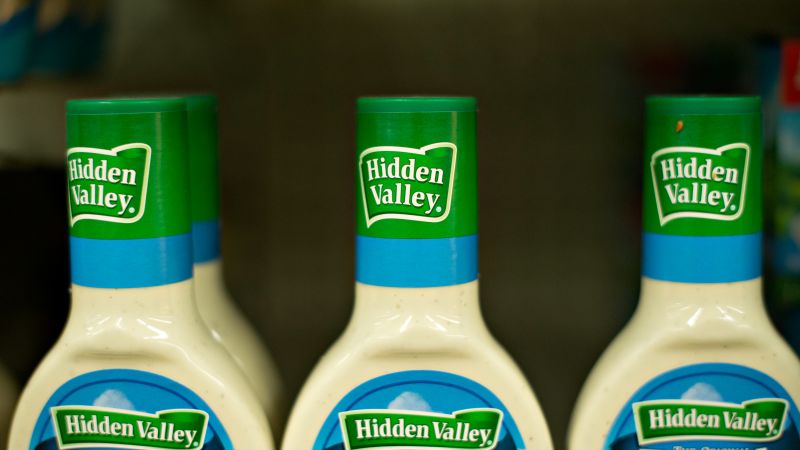
Although ranch dressing’s rise to fame began in the 1950s, its global appeal has only grown in recent years. The sauce was invented by a plumber working in Alaska who sought a creative way to make meals for his coworkers more interesting. When he retired to a California dude ranch, a vacation resort where visitors can immerse themselves in rural American life, he began selling DIY spice kits by mail. His concoction—later branded as Hidden Valley Ranch—caught the attention of Clorox in 1972. The company then developed a shelf-stable bottled version, cementing ranch’s place in the American pantry.
A Challenge for Travelers and the TSA
The popularity of ranch dressing has created a unique dilemma for international travelers. With the TSA’s liquid restriction rules limiting carry-on bottles to 3.4 ounces (100 milliliters), fans of the sauce are struggling to bring their favorite condiment home. “If you’re visiting for a very large sporting event & you happen to discover RANCH while you’re here … pls pack it in your CHECKED BAG on the way home,” the TSA’s Instagram post humorously advised. One visitor, a European tourist, shared her surprise at the sauce’s widespread adoration: “I didn’t think it would become such a cultural phenomenon, but it’s everywhere.”
Contrasting Perceptions and Shared Passion
Despite a 57% unfavorable perception of the U.S. among respondents in a 36-country Pew Research Center survey, the nation continues to attract visitors eager to explore its culinary landscape. The survey, released this week, highlighted concerns about foreign policy and democracy, yet it also revealed that many tourists remain captivated by American food. From the nostalgia of Cap’n Crunch cereal to the bold flavors of Texas barbeque and the buttery crunch of Twinkies, the U.S. offers a diverse array of offerings that resonate with global audiences.
Stacy Stokes, Hidden Valley Ranch’s vice president of marketing, explained that the sauce’s popularity has grown organically. “World Cup fan interest in the dressing happened naturally,” she said. While the company isn’t ignoring the opportunity, it’s also capitalizing on it. In July, Hidden Valley plans to distribute seasoning mix packets in host cities, allowing fans to recreate the dressing at home by blending the powder with buttermilk and mayonnaise. Meanwhile, Kraft-Heinz, another major player in the dressing market, announced it would launch a TSA-compliant version of its product. “We’re leaning into that moment,” said Todd Kaplan, the company’s chief marketing officer, during an interview with CNN’s Richard Quest. “Brand building is about … being relevant in these cultural moments where your brand matters.”
A Test of Global Appeal
Hidden Valley’s expansion beyond the U.S. and Canada is a direct response to the growing demand. The company has already begun testing international markets, including Europe, where influencers will promote the product by experimenting with it on local staples like fish and chips in the UK. “Our goal is to see how ranch dressing can be adapted to different cuisines,” Stokes noted. The TSA’s observation that many European travelers are trying to bring ranch home reinforces its status as a global symbol of American culture.
For decades, the World Cup has served as a stage for the host nation’s culinary traditions. This year, however, the spotlight has fallen on a sauce that transcends borders. Its simplicity, versatility, and comforting familiarity have made it a favorite among tourists, even as they navigate the logistical hurdles of transporting it. As the U.S. welcomes up to 10 million international visitors for the World Cup, the ranch dressing phenomenon highlights how food can bridge cultural divides. Whether it’s the crunch of fried chicken or the creamy tang of a ranch dip, these moments underscore the enduring power of shared experiences—both on the field and at the table.
The trend also raises questions about the evolving identity of American cuisine in a globalized world. While traditional dishes like Texas barbeque and biltong have long been staples of the World Cup, the ranch dressing craze suggests a new kind of cultural exchange. It’s a testament to how even the most familiar foods can spark excitement and curiosity. As fans from across the globe pack their checked bags with bottles of ranch, the sauce’s journey from a backyard experiment to an international sensation continues. And for those who’ve tasted it, the love for the dressing is as much about its flavor as it is about the experience of discovering it in a foreign land.