Trump grows angry over reports on depleted munitions — believing it weakens him in Iran negotiations

Trump Grows Angry Over Reports on Munitions Shortage During Iran Talks
Goldlaner.com – Trump grows angry over reports that American munitions stockpiles are running low, a development he believes undermines his negotiating position with Iran. President Donald Trump has privately expressed mounting frustration with media coverage highlighting depleted military supplies, viewing these disclosures as weakening U.S. leverage at a critical juncture in diplomatic efforts. Senior administration figures confirm the president has repeatedly voiced concerns that the timing of these revelations diminishes American strength in the ongoing confrontation.
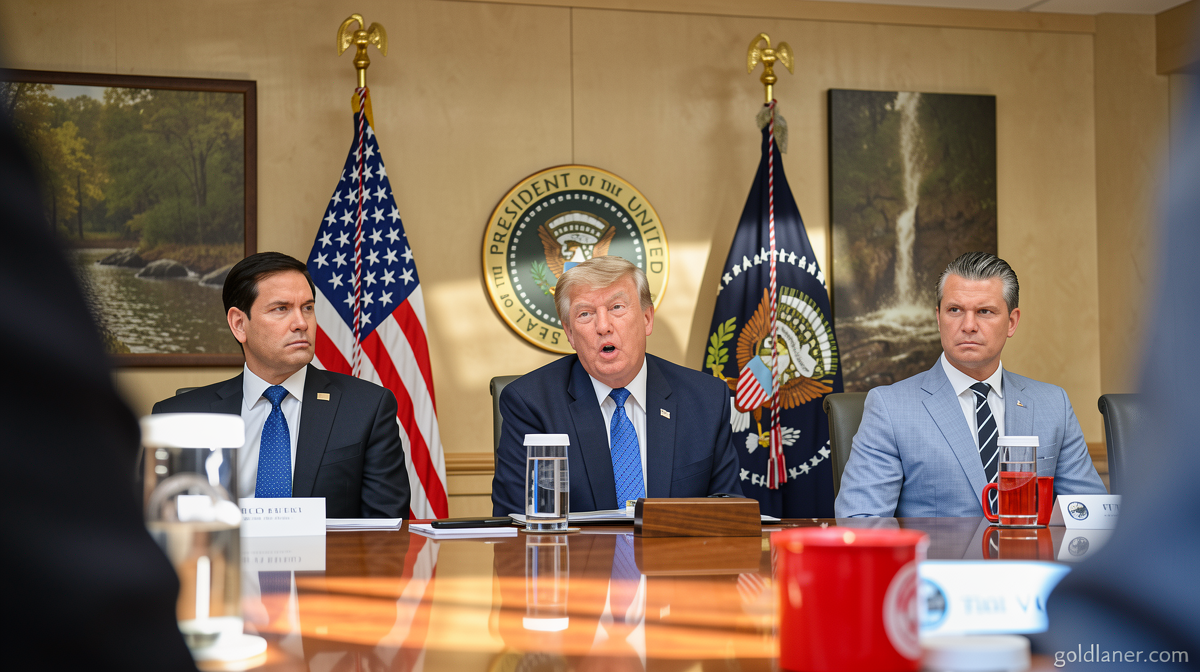
During last week’s Cabinet meeting at Camp David, the munitions question dominated discussions. Sources describe Trump as visibly exasperated by the volume of press attention focused on low inventory levels. Rather than being caught off guard, many attendees noted the president had been monitoring potential supply concerns for several months. His irritation stems from the perception that these details surfaced during a critical phase of the conflict and continue gaining public traction precisely when he seeks to demonstrate resolve.
Trump Grows Angry Over Reports Through Social Media Response
Trump addressed the situation directly through his Truth Social platform shortly after midnight on Thursday. He sought to counter the narrative of scarcity while acknowledging partial validity in the reports.
“The U.S. has massive amounts of ‘munitions,’ especially of certain types,” Trump wrote. “Additionally, large amounts are being manufactured and shipped to the U.S. as needed. Defense companies are building the largest number of plants and factories in our country’s history.”
Despite his efforts to project confidence, the president conceded that some circulating information about stockpile levels held merit. He indicated his administration would pursue extended prison terms for individuals responsible for releasing the data. Later conversations in the Oval Office revealed a more nuanced understanding: while certain weapons categories face tighter constraints, less-advanced armaments remain virtually unlimited in supply.
Defense Secretary Pete Hegseth Escapes Blame
White House representatives emphasize that Trump’s frustration has not targeted Defense Secretary Pete Hegseth. In a subsequent Truth Social message, the president expressed strong satisfaction with Hegseth’s performance.
“He has never blamed Pete. This is all about the leakers,” one official explained.
Administration sources indicate Trump has directed the Justice Department to identify what he characterizes as “treasonous” personnel within government who are responsible for the disclosures. This investigation reflects his belief that internal actors may be attempting to influence policy through strategic information release.
Quantifying the Munitions Shortfall
Recent reporting has painted a detailed picture of inventory depletion. The military has consumed approximately eighty percent of its THAAD missile reserves relative to pre-conflict levels and depleted roughly fifty percent of its Patriot interceptor systems since hostilities began. The Center for Strategic and International Studies provides baseline figures showing the United States maintained approximately 2,200 Patriot missiles and 452 THAAD units before the Iran war commenced.
These numbers carry implications beyond American borders. Gulf state leaders have voiced renewed anxiety about how diminished air defense capabilities might affect regional security if Trump chooses to intensify military operations. Several nations in the Persian Gulf region depend heavily on American-supplied protective systems to shield against potential Iranian counterattacks.
Regional Security Concerns Mount
Officials from multiple Gulf countries have acknowledged that the stockpile shortage could compromise their capacity to intercept incoming Iranian missiles and drones. Regional diplomatic sources indicate Iran has communicated to neighboring states that renewed American strikes would trigger retaliatory actions targeting energy infrastructure and desalination plants throughout the area.
Trump has held telephone conversations with the leaders of Qatar and Saudi Arabia over the past seven days to discuss the evolving situation. These diplomatic exchanges underscore the interconnected nature of the crisis and how American military readiness directly influences regional stability.
Internal Administration Dynamics
White House insiders speculate that the leaks may originate from anti-war officials within the administration who remain committed to reducing American involvement in the conflict. The munitions question resurfaced before Trump’s decision last weekend to halt additional strikes on Iranian targets. This represents at least the second occasion in recent weeks when senior military leaders have raised concerns about supply levels during active operations.
Frequently Asked Questions
Why is Trump growing angry over reports on munitions? Trump believes these reports weaken his negotiating position with Iran by suggesting American military readiness is compromised at a critical moment in diplomatic efforts.
What munitions are most depleted? The military has consumed approximately 80% of THAAD missile reserves and 50% of Patriot interceptor systems since hostilities began with Iran.
Is Defense Secretary Pete Hegseth being blamed? No. White House officials emphasize that Trump has never blamed Hegseth and attributes the issue to government leakers rather than the Defense Secretary.
How are Gulf states affected by the munitions shortage? Gulf nations depend heavily on American-supplied air defense systems and worry that diminished U.S. capabilities could reduce regional security if American strikes resume.
What action is Trump taking regarding the leaks? Trump has directed the Justice Department to identify what he calls “treasonous” personnel and indicated his administration would pursue extended prison terms for those responsible.