Trump claims vandals will force drainage of algae-plagued Reflecting Pool

Trump Accuses Vandals of Damaging Alga-Ridden Reflecting Pool
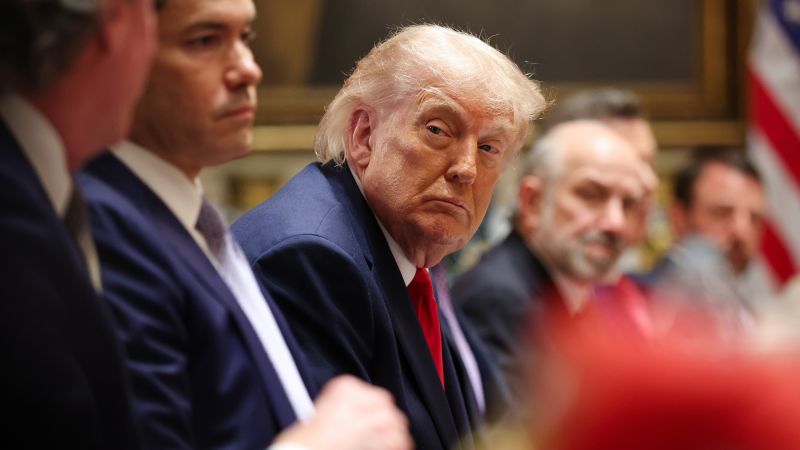
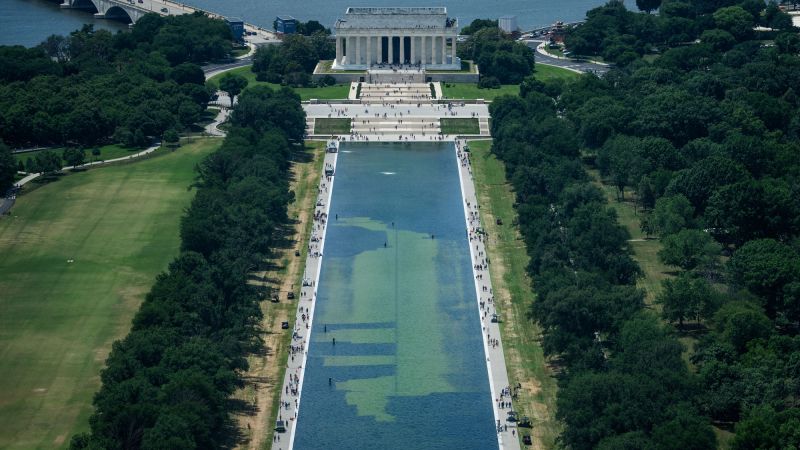
Trump claims vandals will force drainage – President Donald Trump asserted Saturday that vandals had caused significant damage to the algae-infested Reflecting Pool at the Lincoln Memorial, prompting the need for water drainage to facilitate repairs. His claim, made without offering proof, stirred controversy as it contrasted with recent efforts to address the pool’s long-standing maintenance issues. Trump emphasized that law enforcement had arrested “many additional people” for the alleged acts of vandalism, though details of the incident remain unclear. The pool, a historic landmark on the National Mall, had already drawn public attention for its murky green appearance, which Trump described as “absolutely filthy” earlier this year.
The situation has taken an unexpected turn, transforming a routine maintenance task into a focal point of public scrutiny. What was intended to be a straightforward effort to restore the century-old pool’s original splendor ahead of America’s 250th anniversary has instead become a symbol of the ongoing debate over Trump’s beautification initiatives. The president’s $14 million renovation project, which included architectural modifications like the White House ballroom and fountain refurbishments, has faced criticism for its impact on the city’s historic landscape. Yet, the algae issue has sparked accusations of deliberate destruction, with Trump linking it to broader concerns about vandalism in the area.
A Citizen’s Curiosity Becomes a Controversy
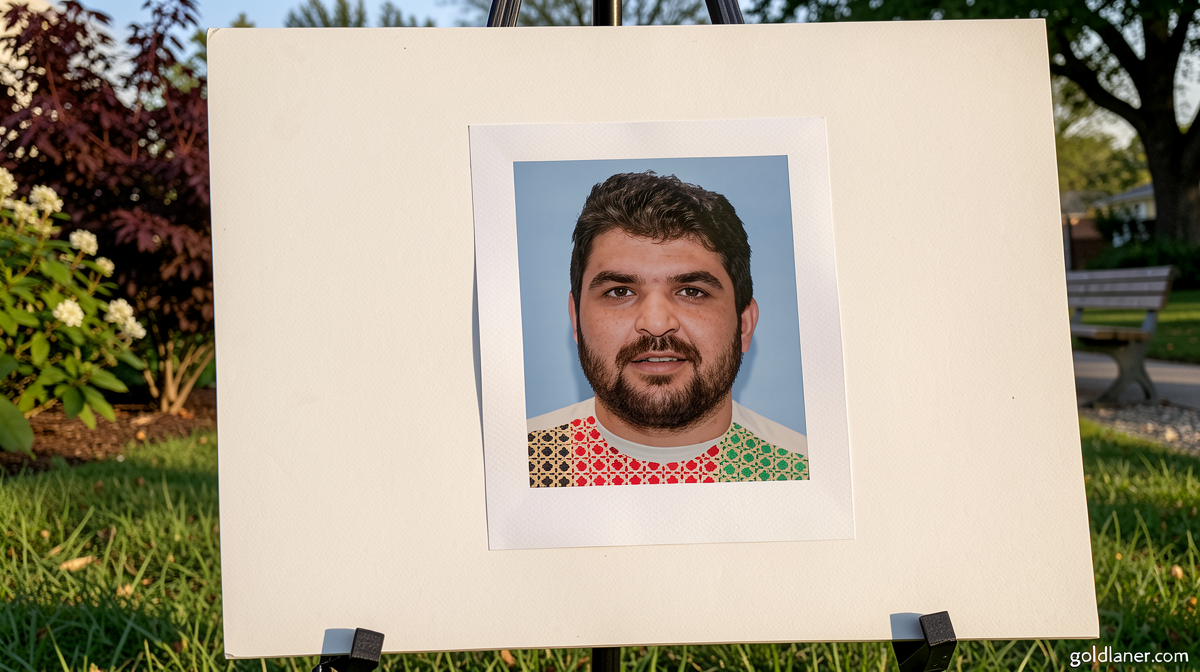
David Hearn, a three-time U.S. Olympian, became embroiled in the dispute after being arrested for allegedly touching a flap of blue material at the Reflecting Pool. Hearn, who claimed to have a background in material science, stated that he reached into the water following a bike ride and was inspired by reports of algae buildup and peeling sealant on the pool’s bottom. “I was just checking it out,” he said, describing his actions as the result of a “curious citizen” who wanted to understand the issue firsthand.
“There’s nothing about the Reflecting Pool that was in any different condition after I left there than it had before I went by there yesterday. I didn’t remove anything. I didn’t break, tear, peel, or rip, or destroy anything,” Hearn said Saturday.
According to Hearn, he encountered a National Park Service staffer who warned him against reaching into the pool. After complying, he returned to his bike and was later approached by National Guard members before being detained by the U.S. Park Police. He was charged with destruction and defacement of government property, as well as disobeying a government employee. Hearn argued that his actions were minor and unintentional, contrasting with Trump’s narrative of widespread vandalism.
The president’s claim has amplified the incident, with the algae problem now framed as a result of intentional damage. Trump cited the “vandalized” area as a reason for the need to drain the pool, stating that the algae was “75% gone” and the repairs would be completed “early next week.” His remarks were posted on Truth Social, where he suggested that the issues were not merely a product of natural growth but of human interference. This narrative has been bolstered by reports of similar incidents, including the etching of “8647” into the grass on the National Mall days prior.
Public Reaction and Social Media Frenzy
In the days leading up to the incident, the pool had become a gathering spot for tourists and locals, drawn by its unusual state. Some visitors peeled strips of the blue material from the pool’s surface as souvenirs, while others filmed federal workers adding hydrogen peroxide to the water. The footage, shared widely on social media, has become a battleground for opinions, with posts either condemning Trump’s presidency or supporting the cleanup efforts.
The algae’s presence has been a growing concern for years, exacerbated by Washington, D.C.’s warm, muggy weather that fosters its rapid spread. Despite this, the Interior Department has downplayed the issue, with its press office declaring the water “crystal clear” in a post on X. The department’s statement suggests that the algae is a manageable problem, though it has not addressed the recent claims of vandalism. CNN has sought comments from the Interior Department and the National Park Service to clarify the situation and determine whether Hearn’s account aligns with official findings.
Trump’s campaign to beautify the National Mall has been a recurring theme since his election. He criticized the Biden administration for not completing the project, pointing to the failed $34 million reconstruction under President Barack Obama as evidence of bureaucratic neglect. The Lincoln Memorial Reflecting Pool, however, has become a point of contention, with its algae-covered surface symbolizing the challenges of maintaining historical landmarks in a rapidly changing city.
The controversy has also highlighted the divide in public opinion regarding Trump’s policies. While some view the renovation as a necessary effort to restore Washington’s iconic spaces, others argue that the focus on aesthetics has overshadowed more pressing concerns, such as infrastructure and environmental sustainability. The algae issue, once a quiet maintenance problem, now reflects these broader debates, with the pool serving as a microcosm of the nation’s polarized discourse.
As the case against Hearn proceeds, the incident continues to draw attention. The Olympic canoeist is set to appear in court on July 9, where he will have the opportunity to present his side of the story. In the meantime, the pool remains a site of fascination and contention, with its murky waters and blue flaps sparking conversations that transcend the physical damage. Whether the algae is a natural consequence of climate or a result of vandalism, the event has underscored the power of public perception in shaping the narrative around urban renewal and political leadership.