Rep. Dan Goldman addresses Brooklyn coffee shop banning him over his views on Israel

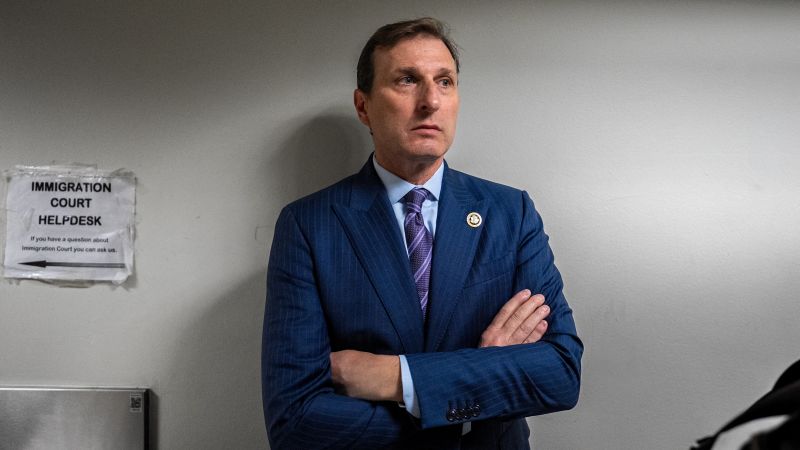
Rep. Dan Goldman Addresses Brooklyn Coffee Shop Israel Ban
Brooklyn Coffee Shop Incident Sparks Debate
Rep Dan Goldman addresses Brooklyn coffee – Rep. Dan Goldman addresses Brooklyn coffee shop ban, explaining how his views on Israel led to his exclusion from Poetica Coffee. The event, which gained traction on social media, involved a viral post from the café’s account that appeared to bar Goldman from entering. This occurred during a heated Democratic primary, intensifying discussions about Israel-Gaza tensions. Goldman shared his account of the incident with CNN’s Laura Coates, noting that the shop’s social media post was later deleted. The post included images of him with a receipt for a refunded coffee, sparking online debates about free speech and political activism.
Goldman’s Personal Interaction and the Ban
Goldman recounted a positive encounter with the barista, describing the moment as “a nice interaction” that reflected the café’s usual welcoming atmosphere. “She was wearing a hijab, and I didn’t know her,” he said, emphasizing the barista’s kindness. The incident was further highlighted by Goldman’s generous tip, which he added to the transaction. However, the same barista’s actions were later used to cast doubt on his support for Israel, as the shop’s post implied his presence was controversial. The phrase “genocide juice” was a metaphor for Goldman’s perceived alignment with Israel’s actions in Gaza.
“I had such a nice interaction with the barista in the coffee shop,” Goldman said. “It’s a reflection of a sad state of affairs that without knowing me, we could have had such a nice interaction.”
Goldman’s comments underscored the growing divide over Israel’s role in the Gaza conflict. The coffee shop’s post linked his visit to the American Israel Public Affairs Committee (AIPAC), suggesting his backing of Israel was tied to financial influence. “Hey Congressman Dan Goldman, we see that you stopped by our shop today for a coffee,” the post read. “Do you see how it doesn’t taste like genocide juice? Or are you still having a hard time telling the difference?” This metaphorical language highlighted the emotional weight of the debate, as critics accused him of supporting policies they deemed unjust.
Primary Election Context and Political Tensions
Goldman’s primary challenge comes from Brad Lander, a former city comptroller backed by Mayor Zohran Mamdani. Lander has labeled Israel’s military campaign in Gaza as genocide, a stance the Israeli government disputes. This positions Goldman as a focal point for opponents who argue his positions are shaped by AIPAC. The conflict in Gaza, which began after Hamas’ October 7 attacks, has claimed over 70,000 lives, with more than 1,200 hostages taken. Goldman, who supports Israel’s existence as a Jewish state, has consistently maintained that his advocacy does not equate to endorsing all government actions.
Lander’s Defense and the Coffee Shop’s Role
Brad Lander responded to the Poetica Coffee incident, framing it as a symbol of political polarization. In a statement to The New York Times, he argued that elected officials should not be excluded from public spaces solely for their stances. “There are plenty of ways to lobby elected officials and express outrage at the votes they’ve taken without turning coffee shops into places people don’t feel welcome,” Lander said. He emphasized that the ban reflected broader efforts by activists to influence public opinion, even if it led to exclusionary behavior. Goldman, meanwhile, defended his position, noting that the shop’s post mischaracterized his views and targeted him for his association with AIPAC.
Broader Implications for Political Discourse
The Poetica Coffee ban has sparked conversations about the intersection of private spaces and political expression. Goldman’s experience illustrates the tension between personal interactions and ideological clashes, as a barista’s kindness became a symbol of the café’s opposition to his views. This incident has raised questions about whether public figures should be held to a higher standard of neutrality in their daily lives. Goldman criticized the Justice Department’s recent investigation into the café, arguing it diverted attention from systemic antisemitism.
With Rep. Dan Goldman addresses Brooklyn, the controversy underscores how personal moments can be politicized. The debate over Israel’s actions in Gaza continues to shape the political landscape, with both candidates leveraging the event to appeal to their respective bases. As the primary approaches, the incident may further highlight the challenges of balancing free speech with political activism in everyday settings. Goldman’s story remains a focal point in the ongoing discourse about Israel’s role in the region and the impact of advocacy groups like AIPAC on public opinion.