
What older adults need to know before taking a GLP-1 medication to lose weight
GLP-1 Medications Offer New Hope for Older Adults Seeking Weight Loss
What older adults need to know – Barbara Senich, a 69-year-old woman who has lived with obesity for most of her life, has recently found a sustainable solution to her long-standing struggle with weight. For three decades, she limited herself to black pants, believing they would help her appear slimmer. At her peak weight of 340 pounds, Senich, who stands 5’11”, faced significant challenges. She managed to shed at least 100 pounds twice through liquid diets, only to regain the weight over time. Bariatric surgery provided temporary relief, bringing her weight down to 185 pounds, but the pounds returned as the effects wore off. “I had three or four sets of clothes, just in case I got fat again,” she recalled. However, about five years ago, she felt confident enough to donate her “fat clothes” to others. Her current weight, around 137 pounds, is a number she hadn’t seen on the scale since her teenage years, thanks to a combination of GLP-1 medication, metformin, and Contrave.
A Turning Point for Weight Management
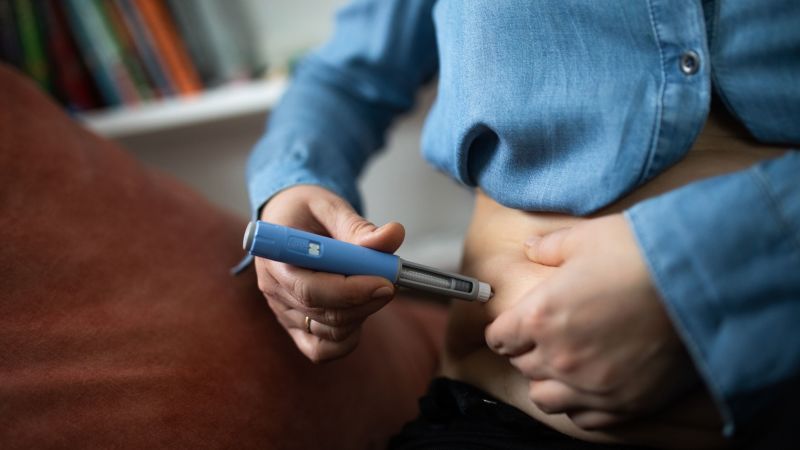
Senich’s journey highlights the potential of newer weight-loss treatments for older adults. She is now part of a growing group benefiting from medications like Zepbound, a GLP-1 drug that has become a key tool in managing weight. Alongside this, metformin—a medication commonly used to treat insulin resistance—is also part of her regimen, while Contrave targets binge-eating tendencies. “This has been the turning point for me—maintaining weight loss has finally become manageable,” she said, expressing her relief at being able to wear white pants and even a pair in pale pink this summer.
Starting July 1, Medicare will cover weight-loss drugs for the first time, marking a significant shift in healthcare accessibility for older adults. A temporary federal initiative, the Medicare GLP-1 Bridge, will provide eligible beneficiaries with semaglutide (Wegovy), tirzepatide (Zepbound), and orforglipron (Foundayo) at a reduced cost of $50 per month. This program, however, is not a permanent solution. It is designed as an experimental measure to assess whether these medications can reduce healthcare costs and improve outcomes for seniors, who are increasingly affected by obesity-related conditions.
Why Obesity in Older Adults Matters
Obesity is no longer just a concern for younger populations. A report from the Population Reference Bureau reveals that rates of obesity in adults over 65 have more than doubled since 1988-94. According to the Centers for Disease Control and Prevention, approximately 40% of seniors are classified as obese based on their body mass index (BMI). This statistic underscores the urgent need for effective interventions, as obesity contributes to a wide range of age-related illnesses. From heart disease to diabetes, and from dementia to arthritis, excess weight plays a critical role in worsening these conditions. “It’s hard to think of a chronic disease in older adults that isn’t influenced by obesity,” noted Dr. John Batsis, a geriatrician and nutritionist at the University of North Carolina’s Gillings School of Public Health.
Medical experts warn that while affordability is a crucial factor, cost should not be the sole determinant in choosing these medications. “Just because you can afford it doesn’t mean you should take it without careful consideration,” Dr. Batsis emphasized. The GLP-1 drugs, though effective, come with potential side effects and require ongoing monitoring. However, recent studies offer encouraging insights. A newly released analysis compared the weight-loss outcomes of 358 adults aged 65 and older who participated in trials of semaglutide (Wegovy) with those of younger participants. The results showed that seniors lost an average of 15.5% of their body weight, nearly matching the 15.6% loss observed in younger adults. This data suggests that GLP-1 medications may work just as well in older populations as they do in younger ones.
Medicare’s Role in Expanding Access
The Medicare GLP-1 Bridge program aims to address the financial barriers many seniors face when accessing these drugs. Until now, weight-loss medications were not covered under standard Medicare plans, leaving beneficiaries like Senich to pay out-of-pocket. For instance, Senich pays for Zepbound through LillyDirect, a manufacturer-sponsored program that offers some relief but still requires her to cover the costs herself. With the new initiative, millions of Medicare-qualifying adults will gain access to these medications at a fraction of the usual price, potentially transforming their approach to health management.
Yet, the program’s temporary nature raises questions about its long-term impact. The U.S. Centers for Medicare and Medicaid Services (CMS) explains that while obesity is a major driver of chronic diseases, Medicare cannot cover medications used exclusively for weight loss. This policy is based on federal law, which separates weight-loss drugs from other treatments. The Bridge program is a pilot test, designed to evaluate whether these medications can reduce the burden of obesity-related illnesses and lower overall healthcare expenses. If successful, it could pave the way for permanent coverage.
Challenges and Considerations
Despite the promising results, the use of GLP-1 drugs in older adults is not without challenges. Senich’s experience illustrates the financial strain that these medications can place on individuals, especially those on fixed incomes. “The cost has been a major hurdle,” she admitted. By reducing prices to $50 per month, the Bridge program aims to alleviate this pressure, making weight-loss treatments more accessible. However, even with lower costs, experts caution that affordability alone should not drive decision-making. “There’s a balance between cost and clinical benefit,” said Dr. Batsis. “Seniors must evaluate their individual health needs before starting any medication.”
The program’s eligibility criteria are also noteworthy. Participants must be at least 18 years old, enrolled in Medicare Part D drug coverage, and meet specific health standards. While these requirements ensure that the most vulnerable populations are prioritized, the program’s reach remains limited. A recent analysis by the Kaiser Family Foundation (KFF) estimates that 3.8 million Americans could qualify based on 2023 data, but the actual number of participants remains uncertain. “This is an opportunity to see how these drugs perform in real-world settings,” said a KFF representative. “But it’s also a test of how well the healthcare system can adapt to new treatment models.”
For older adults, the benefits of weight loss extend beyond aesthetics. Even a modest reduction in body weight can significantly lower the risk of conditions like heart attacks, strokes, and diabetes. “Obesity is a risk factor for so many life-threatening diseases,” Dr. Batsis explained. “Managing it can have a ripple effect on overall health and quality of life.” The Bridge program, therefore, represents a critical step toward making these treatments more widely available. However, its success will depend on how well it addresses both the financial and health-related needs of its participants.
As the program launches, stories like Senich’s will serve as real-life examples of its potential impact. Her journey from struggling with obesity to maintaining a healthier weight through a combination of drugs demonstrates the transformative power of these treatments. Yet, the broader implications of Medicare’s new coverage extend beyond individual success. If the Bridge program proves effective, it could signal a shift in how aging-related diseases are managed, opening the door for more targeted interventions in the future.
A New Era in Obesity Management
The expansion of GLP-1 medication access for seniors marks the beginning of a new era in treating obesity. These drugs, which mimic the body’s natural hormones to regulate appetite and metabolism, have shown remarkable efficacy across age groups. By lowering costs and increasing availability, Medicare is taking a proactive stance in addressing a growing public health crisis. “This is a pivotal moment,” said Dr. Batsis. “It allows older adults to explore treatment options that were previously out of reach.”
While the program’s temporary nature may raise concerns, it provides a valuable opportunity to gather data on long-term outcomes. As the 2027 deadline approaches, the success of the Bridge program could determine whether Medicare will permanently adopt these medications as part of its standard benefits. For now, Senich and others like her are among the first to benefit from this change, offering a glimpse into the future of aging and wellness. “This is the thing that’s been the miracle for me, is the maintenance,” she said, reflecting on her newfound ability to manage her weight and enjoy the freedom of wearing new clothes without fear of regaining the pounds.
