
Buckingham Palace is a must-see for tourists. So why don’t the royals want to live there?
Buckingham Palace: A Must-See Destination and Royal Enigma
The Palace’s Enduring Appeal to Tourists
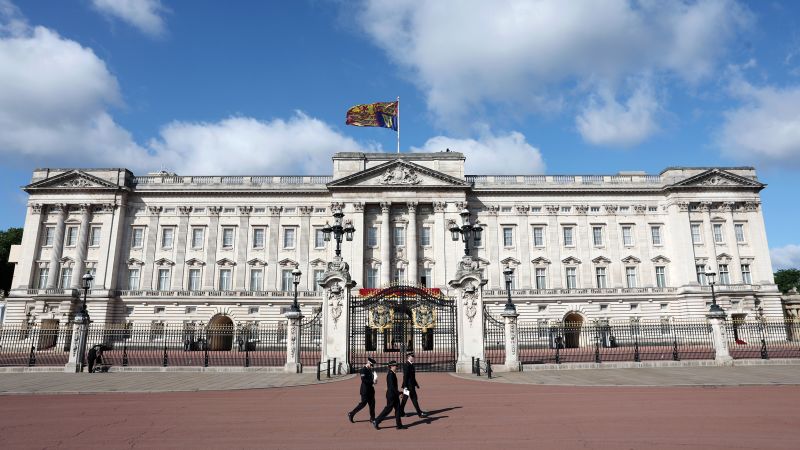
Buckingham Palace is a must see – Buckingham Palace remains a top must-see destination for visitors, offering a glimpse into the opulence and history of the British monarchy. With its iconic architecture and historical significance, the palace draws millions of tourists annually, serving as a central symbol of royal heritage. However, the royal family’s current choice to reside elsewhere has sparked curiosity about the reasons behind this shift. While the palace continues to host major events and ceremonies, its role as a private residence for the monarch appears to be evolving, leaving many to wonder why the royals no longer call it home.
Historical Evolution and Modernization Efforts
For over two centuries, Buckingham Palace has been the official London residence of the British monarch, a tradition that dates back to Queen Victoria’s reign in 1837. Yet, recent developments indicate a departure from this long-standing norm. King Charles III and Queen Camilla have opted to stay at Clarence House instead of moving into the palace after a £369 million renovation project. The overhaul, spanning nearly a decade, has modernized the structure while preserving its grandeur, raising questions about the balance between tradition and contemporary needs.
Historically, the palace’s design was shaped by architects like John Nash, who expanded it during George IV’s era. Despite its vast size—featuring 775 rooms and 78 bathrooms—it has always been a working residence, not just a monument. The current renovation addresses critical issues, such as outdated systems and structural risks, ensuring the building remains functional for royal duties. This investment highlights the monarchy’s commitment to maintaining its legacy, even as the family’s living arrangements adapt to new circumstances.
Royal Preferences and Changing Priorities
While Buckingham Palace holds a symbolic place in British culture, the royal family’s personal preferences have influenced their choice of residence. King Charles III’s decision to prioritize Clarence House over the palace suggests a shift in how the monarchy manages its properties. This move aligns with a broader trend of the royal family favoring more private spaces for daily life, while still using the palace for public engagements and state functions. The question remains: does this change reflect a deeper reimagining of the monarchy’s role in modern society?
Public interest in the palace has not waned, even as the royals opt for alternative living spaces. Tourists often visit the site to explore its famous galleries, gardens, and the Changing of the Guard ceremony. The palace’s enduring charm as a must-visit landmark underscores its cultural importance. However, the monarchy’s decision to move out may influence how visitors perceive its significance, blending historical reverence with contemporary realities.
The Cost and Impact of Renovations
The £369 million restoration project has transformed Buckingham Palace into a state-of-the-art venue for royal activities. Key upgrades included asbestos removal, modern electrical systems, and fire protection enhancements. These changes address long-standing concerns about the palace’s safety and functionality, ensuring it remains a viable space for hosting events. While the financial commitment is substantial, the project reflects the monarchy’s dedication to maintaining its iconic status, even as their personal living arrangements evolve.
Despite the cost, the renovation has bolstered the palace’s appeal as a must-see destination. Its blend of historical grandeur and modern upgrades appeals to both heritage enthusiasts and contemporary visitors. The effort to balance preservation with practicality highlights the monarchy’s adaptability. As the royals step back from daily life at the palace, the site continues to serve as a powerful symbol of British tradition and a key attraction for global tourists.
Public Perception and Royal Legacy
Visitors to Buckingham Palace often express admiration for its role as a must-see landmark, regardless of the monarch’s living arrangements. Many believe the palace’s historical value outweighs its use as a private home, viewing it as a bridge between the monarchy’s past and present. Meanwhile, the royal family’s choice to reside elsewhere may be seen as a practical response to modern demands, allowing them to focus on other responsibilities while the palace remains open for public engagement.
As the renovation nears completion, the palace’s future as a must-visit destination remains secure. Its ability to evolve without losing its essence ensures it will continue to captivate audiences. The monarchy’s adaptability in this regard may even strengthen its connection to the public, proving that tradition and innovation can coexist. Whether the royals choose to live there or not, Buckingham Palace will likely remain a defining must-see location for years to come.
