Why engaging your core isn’t always the answer

Daftar Isi
Rethinking Core Engagement: Beyond the Constant Brace
Goldlaner.com – Walk into any fitness facility and you will likely hear the same instruction repeated endlessly: tighten your midsection. This directive has become so ubiquitous that many people believe keeping their abdominal muscles perpetually engaged is the key to both aesthetic appeal and physical resilience. However, this approach may be counterproductive for many individuals seeking genuine functional strength.
Dana Santas, widely recognized within athletic circles as the “Mobility Maker,” brings over twenty years of experience working with professional athletes to this conversation. As a certified strength and conditioning specialist and mind-body coach, she has observed firsthand how the pursuit of constant core tension can undermine the very stability it aims to create. Her expertise is further validated by her authorship of “Practical Solutions for Back Pain Relief,” a resource that addresses common musculoskeletal concerns through movement optimization.
The Core as a Dynamic System
Many people mistakenly equate their core solely with their abdominal muscles. In reality, this region functions as a comprehensive three-hundred-and-sixty-degree network. This system encompasses the abdominal wall, muscles spanning the mid and lower back, the diaphragm, and the pelvic floor. Rather than operating in isolation, these components coordinate to transfer force throughout the body while simultaneously providing structural support for the spine, pelvis, and rib cage.
True stability within this region is not static. It operates dynamically, meaning it increases its level of support when physical demands rise and relaxes those same muscles when requirements decrease. The trunk muscles are specifically designed to modulate tension, allowing the rib cage to expand during respiration while the body performs bending, extending, and rotational movements as circumstances dictate.
When Bracing Becomes a Problem
It is important to clarify that the act of bracing itself is not inherently flawed. This technique proves highly effective during activities requiring substantial spinal stiffness, such as lifting heavy weights. The issue emerges when maximal core engagement transitions from a situational tool to a permanent state. Continuous over-bracing substitutes the core’s natural responsive control with unnecessary rigidity.
When you continually over-brace, you replace your core’s responsive control with rigidity. Gripping your abs at maximum effort regardless of the task can make your torso feel like an immobile block.
Every movement, from a simple step to an overhead reach, must then work against this stiffened midsection. Over time, this can generate chronic stiffness and discomfort, even for individuals who dedicate significant effort to stretching routines.
The Breathing-Stability Connection
Respiratory mechanics and core stability share a bidirectional relationship. Beyond its primary function in breathing, the diaphragm operates as a crucial postural stabilizer that coordinates with other core components. During inhalation, when the diaphragm contracts, the pelvic floor simultaneously relaxes, and vice versa during exhalation.
Recent scientific investigation has shed light on this relationship. A 2023 study involving thirty-one healthy adults demonstrated a notable respiratory trade-off. Researchers found that when participants engaged in abdominal bracing during lifting tasks, their lung volume decreased despite increased diaphragm movement. This does not suggest that bracing should be abandoned during heavy lifts. Instead, it highlights that a strategy designed for maximum effort can become unnecessarily restrictive when applied continuously throughout daily life.
Chronic excessive bracing often results in shallow breathing patterns and unconscious breath-holding. These behaviors reinforce sympathetic nervous system arousal—the body’s fight-or-flight mechanism—and elevate overall muscle tension. This heightened tension subsequently restricts breathing further, establishing a self-sustaining cycle of discomfort and reduced mobility.
Matching Engagement to Activity
Instead of attempting to constantly hold in the stomach or squeeze abdominal muscles harder, individuals should learn to calibrate their muscular engagement according to specific tasks. Carrying groceries requires both strength and stability but demands less rigid activation than a heavy deadlift would. Similarly, routine activities such as mopping floors, raking leaves, and shoveling snow all benefit from dynamic stability that facilitates rotational movement rather than rigid containment.
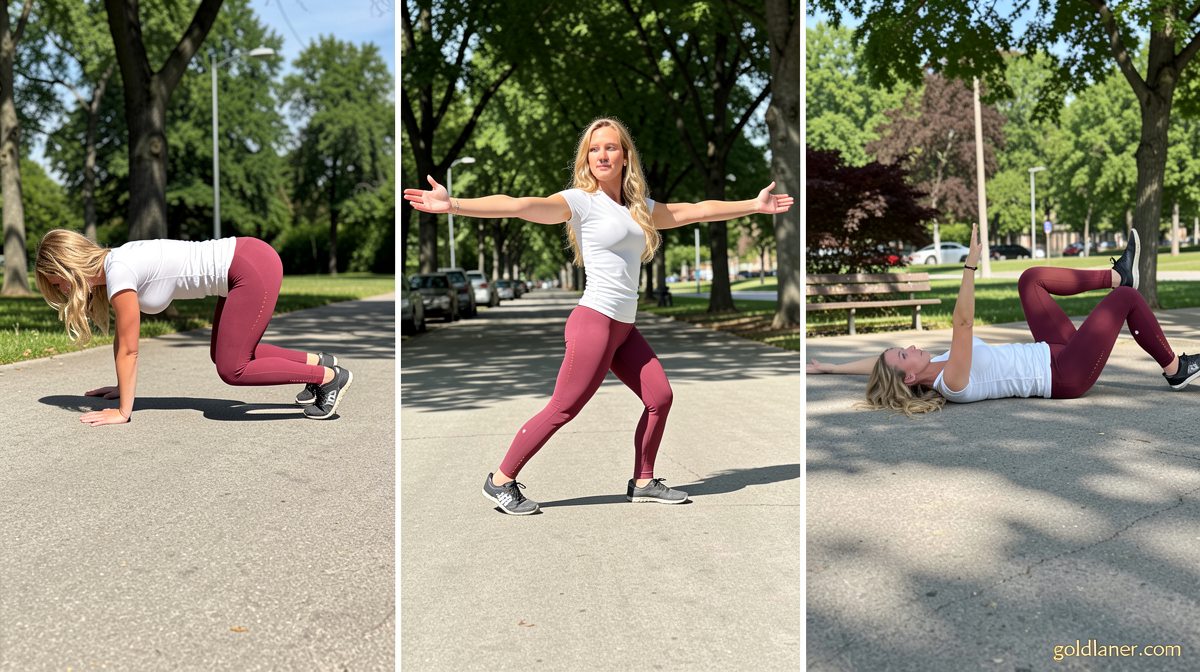
Practical cues can help recalibrate core stability during everyday activities. The following exercises train responsive trunk control across the three primary planes of motion, progressing from supine positions to standing postures. Integrating these movements into existing workout routines or performing them as a circuit two to three times weekly can yield significant improvements. The emphasis should remain on controlled movement rather than rapid execution.
Before initiating any new exercise regimen, consulting with a healthcare provider remains advisable to ensure activities align with individual health considerations and physical capabilities.
Related Reading
Frequently Asked Questions
What is Why engaging your core isn t always?
Why engaging your core isn t always is the main topic of this guide. The article explains the context, practical details, and next steps readers should understand.
Why does Why engaging your core isn t always matter?
Why engaging your core isn t always matters because readers are looking for a useful answer, not just a short summary. Good content should match search intent and help them decide what to do next.