
Buyer beware of sunscreens: New report finds few meet safety standards
Buyer Beware of Sunscreens: New Report Finds Few Meet Safety Standards
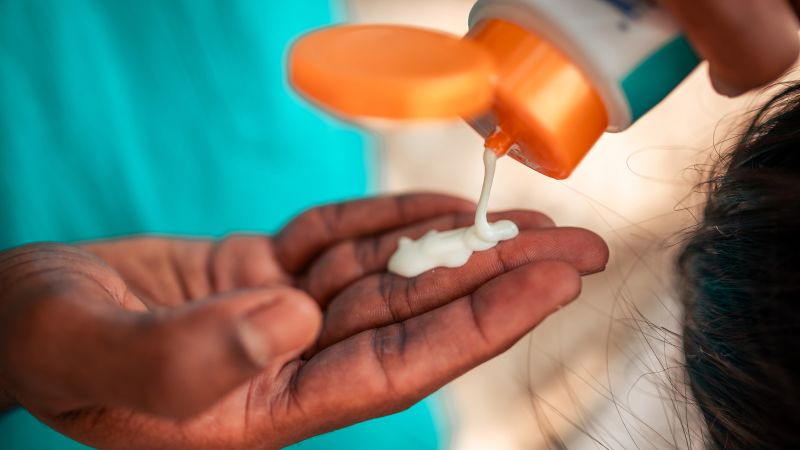
Buyer beware of sunscreens – As summer approaches, consumers are advised to purchase sunscreen, yet many of the products available on retail shelves may not offer the dual benefits of safety and efficacy, according to the Environmental Working Group (EWG). The organization’s 2026 Guide to Sunscreens, now in its 20th year, has revealed that only a fraction of the 2,784 sunscreens tested meet the necessary criteria for protection against harmful solar radiation. The report, released on May 19, highlights that just 550 products—roughly 20% of the total—provide reliable, dual protection against both UVA and UVB rays. This assessment underscores a growing concern about the safety of commonly used sunscreens and their ability to shield the skin from long-term damage.
Key Categories and Recommendations
The 2026 guide categorizes sunscreens into specific groups, including those tailored for children, daily use, and recreational activities like sports or beach outings. Among the top recommendations are affordable options that deliver robust protection at a reasonable cost, alongside high-performance products designed for extended outdoor exposure. Additionally, the report features sunscreens integrated into moisturizers and lip balms, emphasizing the need for broad-spectrum coverage in everyday skincare. To qualify for an EWG endorsement, sunscreens must block both UVA and UVB rays, as these types of ultraviolet radiation are known to contribute to DNA damage and premature aging. Sprays and powders, which pose inhalation risks, were excluded from the analysis, leaving a focus on lotions and creams.
Despite the widespread appeal of high SPF products, the report suggests that the perceived value of SPF numbers may be overstated. While consumers often prioritize sunscreens with SPF ratings above 50, the study indicates that the difference in effectiveness between these products and those with SPF 50+ is minimal. For example, a more affordable sunscreen with SPF 50 can block nearly 98% of UVB rays, comparable to its pricier counterparts that claim to block 99%. This raises questions about whether higher SPF levels are justified by significant benefits or simply marketing tactics. The EWG’s peer-reviewed analysis further highlights that many sunscreens do not fully deliver on their UVA protection claims, with average performance falling short of stated levels by up to 75%.
Chemical Concerns and Ingredient Safety
A critical aspect of the report is its evaluation of chemical ingredients used in sunscreens. Among the top concerns is retinyl palmitate, a form of vitamin A that has been linked to skin irritation and potential toxicity. Although dermatologists recommend retinoids for anti-aging benefits, the report notes that exposure to these compounds should be minimized when using sunscreen. The percentage of sunscreens containing retinyl palmitate has dropped significantly from 40% in 2010 to just 3% in 2026, a trend the guide attributes to growing consumer awareness and regulatory pressure. However, other chemicals remain under scrutiny for their long-term effects on health and the environment.
“Retinyl palmitate is part of the retinoid family that dermatologists recommend to fight wrinkles and other signs of aging. Those products come with warnings not to expose skin to the sun,” said Alexa Friedman, a senior scientist at EWG. “In 2010, about 40% of products contained retinal palmitate,” Friedman said. “Today that’s dropped down to 3%, which is good news for consumers.”
The report also identifies several chemicals as potential threats to human health. For instance, homosalate and oxybenzone, two common UV filters, have been found to persist in the bloodstream for more than two weeks after a single application. This prolonged presence raises concerns about their cumulative effects, particularly as endocrine disruptors. Oxybenzone, in particular, has drawn attention for its association with birth defects, thyroid hormone changes, and skin allergies. Moreover, studies have detected oxybenzone in human breast milk, blood, and urine, with one survey finding it in over 97% of U.S. urine samples. These findings have led to bans in several regions, including Hawaii, Key West, Florida, the U.S. Virgin Islands, and Thailand, where oxybenzone’s impact on marine ecosystems has been documented.
Environmental and Health Implications
Oxybenzone’s environmental impact is another focal point of the guide. The chemical has been implicated in coral bleaching and the destruction of marine habitats, particularly in tropical waters. This has prompted stricter regulations in areas reliant on tourism and coastal economies. Meanwhile, the report also notes a decline in the use of oxybenzone over the past 19 years, with its presence in sunscreens dropping from 70% to just 5%. This shift reflects a growing emphasis on eco-friendly formulations and consumer demand for safer alternatives.
Mineral-based sunscreens, which are not absorbed into the skin, offer a compelling contrast to chemical options. Zinc oxide and titanium dioxide, the two minerals approved by the FDA for use in sunscreens, have historically been associated with a white, chalky appearance. However, modern formulations have addressed this issue, providing more cosmetically pleasing options that cater to a wider audience. These products work by physically deflecting UV rays rather than absorbing them, making them less likely to cause irritation or toxicity. The guide recommends 497 of the 550 approved sunscreens, highlighting their safety and effectiveness as a preferable choice for many consumers.
Industry Response and Ongoing Debates
The Personal Care Products Council, an industry group representing sunscreen manufacturers, responded to the report by emphasizing the need for further research. In an email to CNN, the council noted that questioning the report’s conclusions could be based on evolving scientific evidence and regulatory standards. While the guide highlights certain ingredients as concerning, the council argues that many of these chemicals have been used for decades without widespread adverse effects. This debate reflects the complexity of balancing consumer needs, product performance, and environmental impact in the sunscreen market.
For consumers seeking to protect themselves and the planet, the guide serves as a valuable resource. By focusing on products that meet rigorous safety criteria, it helps navigate the vast array of options available. The findings also prompt a reevaluation of how SPF numbers are marketed and the importance of UVA protection. As the report concludes, the priority for both individuals and the industry is to ensure that sunscreen remains an effective and safe tool in the fight against skin damage and environmental harm. The guide’s recommendations provide a clear pathway for informed purchasing decisions, reinforcing the need for transparency and accountability in product labeling.
