Infantino apologizes for ‘mistakes’ but retains FIFA’s backing at crisis meeting

Daftar Isi
Infantino Apologizes for Mistakes but Retains FIFA Presidency After Crisis Meeting
Goldlaner.com – Gianni Infantino has secured continued support from FIFA’s executive team despite mounting pressure to resign after his ambitious plan to commercialize World Cup assets. The decision comes after an intensive gathering of senior officials in Morocco, where the organization’s leadership reviewed the controversial proposal and its aftermath. The crisis meeting produced a formal declaration affirming confidence in Infantino’s presidency. FIFA Secretary General Mattias Grafström and other management figures publicly endorsed the Italian leader, signaling unity within the organization’s upper echelons. This collective backing arrives at a critical juncture for world football’s governing body, which faces scrutiny from multiple confederations and stakeholders.
A Statement of Renewed Confidence
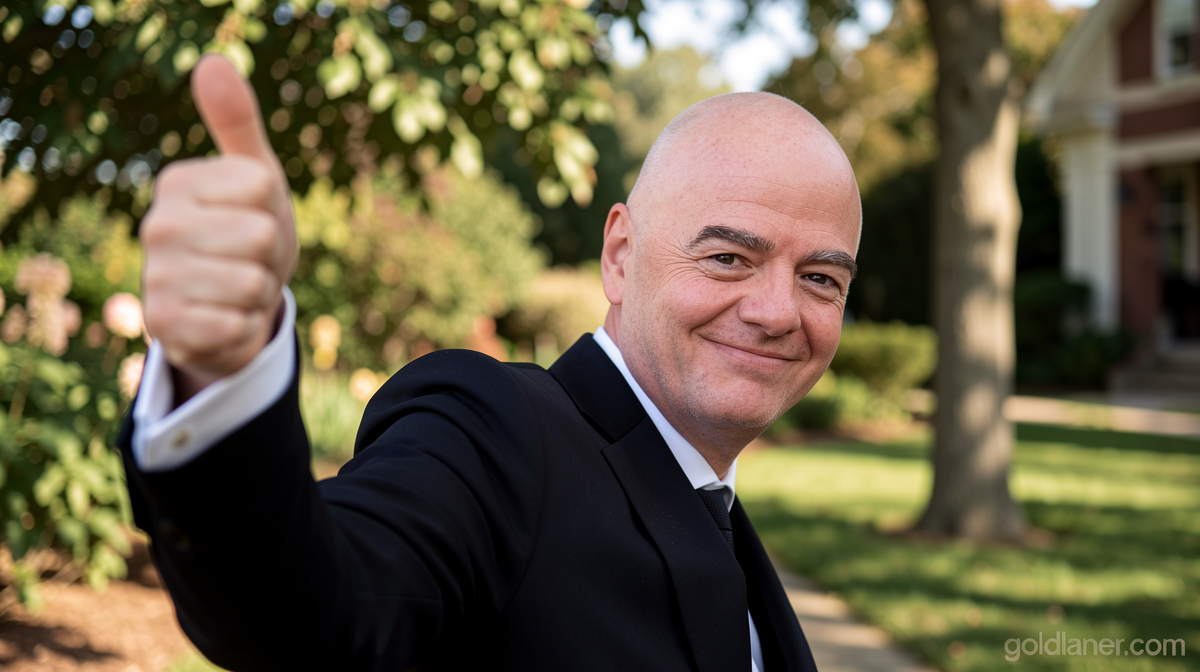
The official communication released late Wednesday outlined the meeting’s outcomes with emphasis on organizational stability. Leaders expressed optimism that the proceedings would enhance FIFA’s governance framework and rebuild trust among members. The statement emphasized preparedness for upcoming tournaments and challenges, highlighting transparency as a core value moving forward. Infantino shared his own perspective on social media, posting an image alongside Grafström. Both men gave thumbs-up gestures in the photograph, visually reinforcing their alignment. The Italian president’s Instagram message mirrored the sentiment expressed in the formal statement, creating consistency across communication channels.
Addressing the Controversial Proposal
The centerpiece of the crisis was Infantino’s ambitious business strategy to divest commercial and operational rights associated with the World Cup tournament. The plan generated immediate backlash from European, Asian, and North and Central American football bodies. Within days, the proposal was abandoned, but not before causing significant internal friction. The official statement acknowledged that procedural missteps occurred during the process. Leaders recognized that FIFA Council members and national associations felt marginalized from decision-making. The communication noted that the approach should have been more inclusive from the outset. Additionally, the statement confirmed that errors emerged after the proposal became public through media channels. An apology letter was dispatched to the council and member associations, formally addressing these shortcomings. Infantino’s Instagram post included a similar acknowledgment of the situation.
Figo’s Forceful Call for Change
Not all voices within football supported Infantino’s handling of the situation. Luis Figo, the Portuguese football legend, issued a scathing critique of the president’s conduct. In an opinion piece published by the Daily Mail and obtained by CNN, Figo delivered an uncompromising assessment.
The man who would do that – the man who would try to force through such major changes just to enrich himself and his friends – is a relic of the game’s past and should have no part in its future.
Figo’s credentials speak to his authority on the matter. During his illustrious playing career, he captured four La Liga championships, won the Champions League, and received the Ballon d’Or award. His perspective carries weight given his deep involvement in football governance through his role in UEFA.
I could write 10,000 words on the problems at FIFA. But the solution needs only three: Infantino must go.
The former Portuguese international characterized Infantino’s behavior as exceptionally self-serving and dishonest. His words reflected broader concerns about transparency and accountability within FIFA’s leadership.
European Opposition Hardens
UEFA, European football’s governing body, has taken a firm position against the proposal and expressed doubts about Infantino’s continued leadership. The organization threatened legal proceedings if FIFA fails to address its concerns adequately.
UEFA’s associations were very clear about the conditions attached to the non participation in FIFA competitions.
UEFA outlined two primary requirements: withdrawal of the commercialization proposals and guarantees that similar attempts would not recur. The organization declared that neither condition has been satisfied. Furthermore, UEFA stated it has lost confidence in Infantino’s presidency, a position it intends to maintain. The European confederation’s 55 member federations previously agreed to boycott all FIFA events and competitions while the proposal remained under consideration. This collective action demonstrated the depth of European opposition.
African Support and Financial Realities
While European football bodies criticized the plan, the Confederation of African Football (CAF) has voiced support for Infantino’s vision. CAF President Patrice Motsepe emphasized that the commercialization strategy could benefit African football financially. The African confederation highlighted potential revenue streams that could improve infrastructure development across the continent. This regional support provides Infantino with crucial backing as he navigates the crisis. The president’s ability to maintain relationships across different confederations will be essential for FIFA’s future stability.
Infantino apologizes for mistakes but retains – the African perspective remains positive about the long-term benefits of the proposed changes.
Financial experts suggest that the commercialization model could generate billions in additional revenue for global football development.
Looking Ahead: What Comes Next?
The path forward requires careful diplomacy and transparent communication from FIFA’s leadership. Infantino has committed to a more inclusive decision-making process going forward. The organization plans to establish working groups with representatives from all confederations to review the commercialization framework. These groups will present their findings within the next three months. Meanwhile, UEFA has indicated willingness to engage in constructive dialogue if FIFA demonstrates genuine commitment to addressing concerns. The upcoming FIFA Congress will be a critical moment for assessing whether the leadership changes proposed by critics will materialize.
Infantino apologizes for mistakes but retains – the question now is whether actions will match words in the months ahead.
Stakeholders across world football are watching closely to see how this situation develops.
Frequently Asked Questions
Q: What specific mistakes did Infantino apologize for? A: Infantino apologized for procedural missteps during the commercialization proposal process, including inadequate consultation with FIFA Council members and national associations, as well as communication errors that occurred after the proposal became public.
Q: Why is UEFA opposing Infantino’s leadership? A: UEFA opposes Infantino because it believes the commercialization proposals were withdrawn without proper guarantees against future attempts, and the organization has lost confidence in his presidency based on these unmet conditions.
Q: What is the timeline for FIFA’s response to concerns? A: FIFA plans to establish working groups with representatives from all confederations within the next three months to review the commercialization framework and present their findings.
Q: How does African support differ from European opposition? A: African support focuses on the potential financial benefits for continental development, while European opposition centers on governance concerns and the need for procedural transparency in decision-making processes.