
The world’s most livable city for 2026 has been revealed
The World’s Most Livable City for 2026 Has Been Revealed
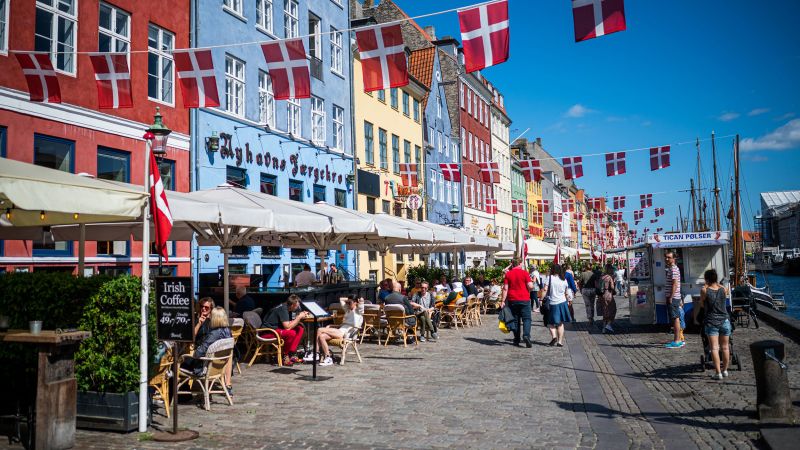
The world s most livable city – Global urban landscapes continue to evolve rapidly, yet certain benchmarks remain consistent. For the second consecutive year, Copenhagen has emerged as the top-ranked city in the 2026 Livability Index, published by the Economist Intelligence Unit (EIU). This Danish metropolis has outperformed its competitors, including Austria’s Vienna, which had previously held the number-one position for three years. The annual report, released on Tuesday, highlights a shift in the global rankings, with Copenhagen securing the top spot once again.
Key Factors Behind Copenhagen’s Success
The EIU evaluated 173 cities across multiple dimensions, such as education, healthcare, stability, infrastructure, and cultural appeal. Copenhagen’s triumph can be attributed to its exceptional performance in stability, infrastructure, and education. A spokesperson from the EIU noted that the city’s success stems from a “winning combination of excellent scores in stability and infrastructure, great culture and environment, and high quality of public services.” This holistic approach has solidified its position as a leader in livability.
Meanwhile, New York City has climbed three places to rank 66th, marking a significant improvement in the stability category. This upward movement is credited to declining crime rates and a perception of reduced terrorist threats. Despite this progress, Honolulu retains its position as the highest-ranked U.S. city overall, though it slipped two places to 25th. Vancouver, located in Canada, stands alone as the only North American city in the top 10, highlighting its unique appeal.
Regional Shifts and Emerging Trends
The rankings reflect broader regional dynamics. Western Europe, traditionally a strong contender, remains the top region for livability but saw a slight dip in average scores compared to 2025, dropping to 91.7. Asia, however, experienced a 0.3-point increase, with its overall average reaching 73.9. This growth is largely driven by advancements in healthcare systems, particularly in cities like Fuzhou, China, which surged seven places to 93rd. The EIU attributed this to improved funding schemes and investments in long-term care insurance.
Other cities in the top 10 include Melbourne, Australia, which climbed one spot to third place, and Sydney, Australia, which leapfrogged several cities to land at fourth. Zurich, Switzerland, returned to the second position, replacing Geneva, which slid to sixth. Osaka, Japan, maintained its seventh-place ranking, while Tokyo remained in the top 10 at tenth. The EIU’s analysis underscores the importance of healthcare and infrastructure in shaping global urban rankings.
Declines and Challenges in the Gulf Region
The ongoing conflict with Iran has had a measurable impact on cities in the Gulf region, particularly on stability scores. Muscat, Oman, dropped 14 positions to 123rd, while Kuwait City fell 12 places to 105th. These declines signal growing concerns about security and economic uncertainty in the area. In contrast, the United Kingdom has shown resilience, with Manchester leading its cities in the 2026 rankings. The UK’s average score improved slightly, reflecting a recovery from last year’s setbacks linked to riots and social unrest.
Manchester’s rise to 52nd place marks a notable comeback, surpassing London at 54th and Edinburgh at 64th. This shift highlights the UK’s efforts to stabilize its urban centers and improve public services. However, the report also notes that the Middle East’s stability scores have dragged down the global average, balancing out the gains in Asia. Ana Nicholls, industry director at EIU, emphasized that the global livability score remained unchanged from 2025, as the two regions’ performance offset each other.
Bottom of the List: A Shift in the Least Livable Cities
At the lower end of the rankings, Damascus, Syria, continues to hold the title of the least livable city, a position it has occupied for years. However, the rankings saw a notable change at the bottom of the list, with Tehran, Iran, dropping to 164th due to the ongoing war. Kyiv, Ukraine, also fell to 166th, reflecting challenges from geopolitical tensions and internal instability. These declines underscore the volatility of urban livability in conflict-affected regions.
While the top 10 cities are dominated by European and Asian metropolises, the U.S. presence in the rankings is limited. Honolulu’s slight drop to 25th position did not diminish its status as the highest-ranked American city. New York’s upward movement, however, signals a renewed focus on safety and economic recovery. The EIU’s report also points to the importance of cultural factors in determining a city’s livability, with Copenhagen’s reputation for sustainability and quality of life playing a key role in its dominance.
Analysis of Regional Performance
The report’s methodology considers a range of indicators, from economic stability to environmental sustainability. Western Europe, despite its decline in average scores, still holds a strong position in the rankings, with cities like Vienna and Zurich maintaining high standings. The EIU’s spokesperson highlighted that while European cities remain a dominant force, their performance is now slightly lower than the previous year. This could be attributed to factors such as rising energy costs or political shifts affecting public services.
Asia’s rise in the rankings is a testament to its progress in healthcare and infrastructure. The report specifically cited Chinese cities as a major driver of this improvement, with Fuzhou leading the charge. Other cities in the region, such as those in Southeast Asia, also showed steady growth. In contrast, the Middle East’s stability issues have created a ripple effect, lowering the global average. This duality illustrates the complex interplay between regional conflicts and urban development.
The EIU’s analysis provides a nuanced view of how cities adapt to global challenges. For instance, the report acknowledges that while infrastructure and education remain critical, cultural and environmental factors are increasingly shaping perceptions of livability. This shift is evident in Copenhagen’s continued success, where its commitment to green initiatives and public services has created a strong appeal for residents and visitors alike.
Looking ahead, the report suggests that cities with robust healthcare systems and resilient infrastructure are likely to maintain their positions. However, those in regions affected by conflict or political instability face greater risks of decline. The EIU’s rankings for 2026 not only reflect current conditions but also offer insights into future urban development trends, emphasizing the need for balanced policies that address both economic and social needs.
Notable Rankings and Comparative Highlights
Among the top 10, the presence of nine Asian cities alongside seven European ones highlights a growing trend of Asian urban centers competing with traditional leaders. This diversification challenges the notion that Western cities are the sole arbiters of global livability. In the U.S., Honolulu’s resilience despite its drop in rankings demonstrates its appeal as a destination for those seeking a high quality of life.
The rankings also reveal the importance of long-term planning and investment in public services. Cities like Vancouver and Sydney, which have climbed in recent years, exemplify how strategic development can enhance a city’s appeal. Conversely, the decline of Muscat and Kuwait City underscores the vulnerability of cities dependent on oil revenues or regional security dynamics. As the world continues to change, the EIU’s report serves as a valuable tool for understanding the evolving priorities of urban dwellers.
Ultimately, the 2026 Livability Index captures the essence of how cities are judged in a rapidly shifting global landscape. While Copenhagen remains the benchmark, the report’s insights into regional performance and individual city improvements offer a comprehensive picture of urban vitality. Whether through stability, culture, or healthcare, the rankings highlight the multifaceted nature of what makes a city truly livable in the 21st century.
