
Trump is gaining surprising leverage over Iran
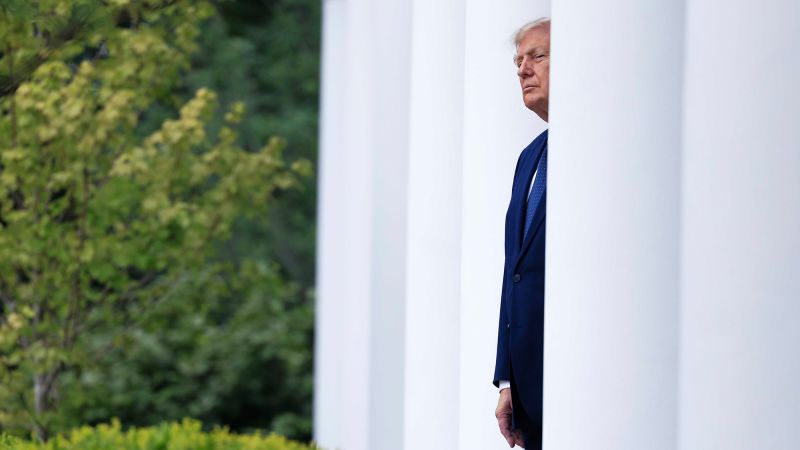
Trump is gaining surprising leverage over Iran
Oil Price Drop Offers New Strategic Opportunities
Trump is gaining surprising leverage over – The recent sharp decline in global oil prices has unexpectedly shifted the balance of power in favor of the Trump administration during its talks with Iran. Initially, Iran had dominated the situation by imposing a severe threat on maritime traffic through the Strait of Hormuz, which had kept oil prices elevated for months. However, as the strait begins to reopen, the economic influence that once seemed insurmountable for Tehran is now waning, creating a new dynamic in the negotiations.
During the spring, Iran’s military presence—though diminished—remained a critical factor in the oil market. The country’s ability to disrupt supply routes through makeshift drones and explosive-filled boats effectively curtailed the flow of crude oil, leading to a spike in prices. This created a scenario where gas prices soared to four-year highs, and oil inventories fell to near-critical levels. The threat, however, was not enough to sustain the price surge indefinitely, as the world’s reliance on oil supply chains began to show signs of flexibility.
With the Strait of Hormuz gradually clearing, oil traders anticipate a rapid shift from scarcity to surplus. The historic supply shortage caused by the disruption is expected to reverse, flooding the market with crude. Despite a recent tanker attack, prices for Brent crude have dropped to approximately $70 per barrel, below the level seen just two weeks prior. While this decline may seem concerning, it has provided the Trump administration with a crucial advantage: more time to maneuver without the pressure of immediate compromise.
The Shift from Crisis to Opportunity
The initial crisis created by Iran’s actions forced the global market into a tight spot. According to JPMorgan, the world lost 1.4 billion barrels of oil supply during the conflict, depleting emergency and commercial stockpiles to their lowest levels in decades. This scarcity drove prices to peak and left nations scrambling to adjust. But as the situation stabilizes, the pendulum is swinging back, offering a different set of challenges and opportunities.
“The surge in oil supply is about to collide with a market that, at least for now, simply does not need it,” said Natasha Kaneva, head of global commodities strategy at JPMorgan. The phrase underscores a critical tension: while production is rebounding, demand remains sluggish. This is particularly evident in China and Europe, where the push toward electrification has reduced reliance on fossil fuels, even amid the crisis. As a result, the global demand for oil may never fully recover to pre-war levels, complicating the market’s ability to absorb the surplus.
Analysts predict that next year, oil demand will rise only modestly—around 2 million barrels per day—while supply could increase by 8 million barrels daily. This gap would create a significant overhang in the market, potentially pushing prices down to $60 or lower. Kieran Tompkins, a senior climate and commodities economist at Capital Economics, notes that the price could even fall to $50 by 2028. OPEC’s response to this situation is equally pivotal, with the group likely to boost production to stabilize prices, possibly lowering them further to the $40 range if key members like Iraq push for it.
Strategic Stockpiles and Market Vulnerabilities
The United States, too, is facing its own challenges. The Strategic Petroleum Reserve (SPR) has dropped to 326 million barrels, a 22% decrease from the 415 million barrels recorded just before the conflict. This level is the lowest since the Reagan era, when the reserve was being filled in 1983. Such a depletion leaves the nation vulnerable in case of another disruption, whether from geopolitical tensions or natural disasters.
Commercial oil inventories are also showing signs of strain. Cushing, Oklahoma—often referred to as the pipeline crossroads of America—has seen its stockpiles fall below the 20 million barrel threshold. This situation has created a unique problem: as storage facilities near capacity, they begin to draw from the sludge at the bottom of tanks, leading to inefficiencies. The market’s reliance on these inventories highlights the precariousness of the current state, where a sudden supply glut could overwhelm existing storage systems.
While the Trump administration benefits from the current price drop, it still faces hurdles. The low inventory levels are a double-edged sword: they reduce the immediate risk of a price spike but also expose the nation to potential short-term shocks. If the war reignites or another crisis emerges, the U.S. may struggle to respond quickly without tapping into its emergency reserves. This scenario could force the administration to prioritize long-term stability over short-term gains, reshaping the approach to negotiations with Iran.
Global Implications and the Road Ahead
The interconnected nature of the global oil market means that the effects of the price drop extend far beyond the U.S. and Iran. Countries that had previously relied on stable supply chains now have to contend with a surplus, which could lead to a new era of low prices and oversupply. This situation has the potential to reshape energy policies worldwide, as nations reassess their dependence on oil and explore alternative energy sources.
Despite the optimism for a more balanced market, the path forward is not without uncertainty. The International Energy Agency projects that demand will recover only slightly next year, while supply increases sharply. This mismatch could lead to prolonged periods of low prices, which might benefit consumers but strain the profitability of oil producers. For the Trump administration, the goal is to leverage this shift to secure a more favorable agreement with Iran, ensuring that the nation’s economic interests are protected in the long run.
OPEC’s role in this unfolding story is critical. The organization, which has been under pressure to maintain production levels, is now poised to increase output significantly. This move could further drive prices down, creating a scenario where the U.S. and its allies might find themselves in a position of strength. The combination of low prices and abundant supply could give the administration more room to negotiate, potentially leading to terms that better reflect the current economic realities.
As the world transitions from crisis to recovery, the lessons learned from the oil price volatility will shape future strategies. The initial panic over supply shortages has given way to a new phase of market adjustment, with the focus now on managing excess supply. This shift not only affects the oil industry but also has broader implications for global trade and energy security. The Trump administration, armed with the current economic conditions, is in a position to influence outcomes in a way that might have seemed improbable just weeks ago.
With the market now in a state of flux, the U.S. negotiators are gaining a foothold. The situation has moved from one where Iran held the upper hand to a scenario where the U.S. can dictate terms. This transformation highlights the unpredictable nature of global markets and the importance of adaptability in diplomacy. As the oil glut continues to build, the focus will shift to how nations navigate this new equilibrium, with the potential for significant long-term changes in energy policy and international relations.
