
Girl’s undisclosed death in gene-editing trial raises red flags in booming Chinese industry
Investigation Launched After Young Patient Dies During Gene-Editing Procedure in China
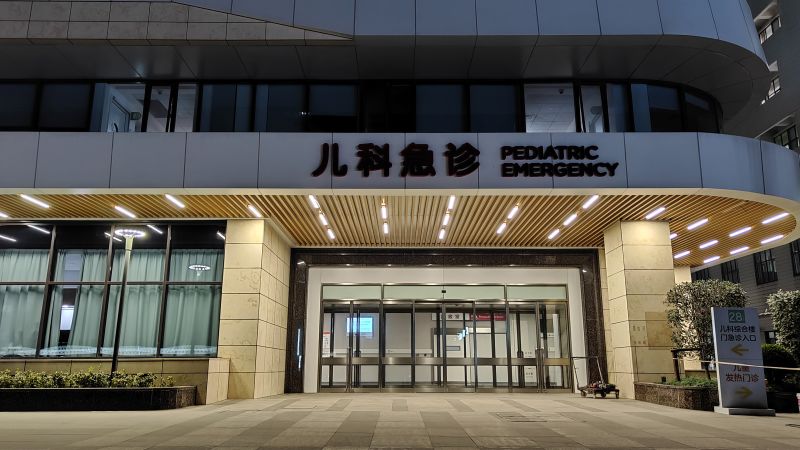
Goldlaner.com – A prominent medical institution in Shanghai has initiated a thorough inquiry following the passing of a child who participated in an experimental gene-editing study. The trial, led by a distinguished specialist at an affiliated hospital, has sparked significant debate regarding ethical standards within China’s rapidly growing biotechnology sector. According to officials at Shanghai Jiaotong University School of Medicine, a dedicated working group has been formed to examine both the clinical trial performed at Xinhua Hospital during the previous year and a corresponding scientific publication. This announcement followed closely after a collaborative investigation by Science magazine and Retraction Watch uncovered serious irregularities in the study. The young patient’s family contributed financially to the research, reportedly investing $860,000 toward developing the innovative treatment. According to statements provided to journalists, medical professionals failed to inform the parents that their daughter faced potential mortality risks. The physicians believed the therapy could address a genetic mutation responsible for developmental challenges that might worsen as the child aged.
While the hospital’s ethics committee determined that the death was “definitely related” to the experimental procedure, the consequences for those involved remained relatively light. Furthermore, neither the treating physicians nor their affiliated organizations disclosed the outcome to the public, even as findings from associated studies appeared in the renowned journal Nature, according to the Science investigation.
Context of Growing Concerns in Chinese Biomedicine
This incident has generated considerable alarm across China, particularly following recent regulatory tightening prompted by a previous controversy. In 2018, it emerged that Chinese researcher He Jiankui had created babies through gene-edited embryos, shocking the international scientific community and resulting in a three-year prison sentence for him. The current case differs substantially from that earlier scandal. Gene editing represents an emerging therapeutic approach designed to modify DNA or RNA sequences to correct or eliminate faulty genes responsible for various conditions affecting both children and adults. Unlike modifications made to embryos, these alterations remain within the individual and are not inherited by subsequent generations.
Joy Zhang, who directs the Centre for Global Science and Epistemic Justice at the University of Kent in the United Kingdom, expressed particular concern about this situation. “This case is much more worrying than (that of He Jiankui) … because this case is well-established scientists in one of China’s most prestigious universities,” she noted. He Jiankui, by comparison, operated as a relatively unknown entrepreneur scientist at a newer institution when he achieved the distinction of being the first and only known researcher to engineer human embryos for implantation.
Regulatory Framework and Industry Implications
Zhang emphasized that despite numerous government initiatives aimed at strengthening ethical oversight since the 2018 scandal, this case demonstrates ongoing deficiencies. Yanzhong Huang, a senior fellow at the Council on Foreign Relations in the United States, echoed these sentiments.
“Seeing the appearance of similar ethical failures years later suggests persistent gaps in regulation in terms of transparency, safety and accountability,” Huang explained. “If you look at this case, it’s full of mistakes, loopholes, and irregularities … so in that sense, it is very unique, but in the meantime I’m afraid in this environment of Chinese biomedical boom this may potentially be the tip of the iceberg.”
Gene therapy, encompassing treatments that utilize gene-editing technologies, has emerged as a significant catalyst for China’s expanding biotechnology sector. Researchers throughout the country are competing with counterparts in the United States and other nations to achieve medical breakthroughs. Experts attribute much of this progress to China’s dual-track regulatory system, which permits therapies to undergo initial human testing through investigator-initiated trials. These smaller-scale studies typically experience less stringent oversight compared to conventional approval processes. Similar frameworks operate in other nations and are considered valuable for accelerating discoveries and delivering life-saving interventions, particularly for rare diseases where commercial motivation for research remains limited. However, these systems also introduce potential vulnerabilities. Against this backdrop, the Shanghai couple who shared their experience with Science pursued treatment for their daughter, who had been diagnosed with Snijders Blok-Campeau syndrome—a rare genetic condition causing neurodevelopmental challenges. The illness can result in intellectual limitations alongside severe physical manifestations. Although the girl exhibited milder symptoms than many affected individuals, her parents chose to investigate specialized therapeutic options.
Related Reading
Frequently Asked Questions
What is Girl s undisclosed death in gene?
Girl s undisclosed death in gene is the main topic of this guide. The article explains the context, practical details, and next steps readers should understand.
Why does Girl s undisclosed death in gene matter?
Girl s undisclosed death in gene matters because readers are looking for a useful answer, not just a short summary. Good content should match search intent and help them decide what to do next.
