
Taylor Swift’s wedding may change how couples think about their big day
Taylor Swift’s Wedding May Redefine the Concept of a Memorable Ceremony
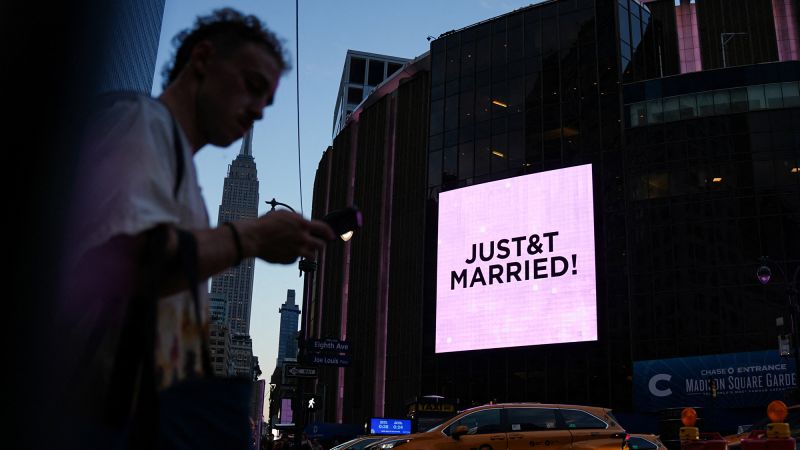
Taylor Swift s wedding may change – Imagine a venue where the bride once performed concerts and the groom’s professional life intersects with the space. Madison Square Garden, typically a hub for sports and music, might not immediately evoke the image of a wedding. Yet, Taylor Swift and Travis Kelce’s celebration, held in the iconic arena, has sparked a new conversation about how couples are reshaping their big days. While traditional weddings often prioritize aesthetics and formality, this event emphasized creating a sensory and emotional journey for guests, blending the unexpected with the intimate. The inclusion of arcade games, a raffle, and other unconventional elements highlights a growing trend: transforming weddings into experiences that linger in memory long after the final song fades.
Shifting Focus from Visuals to Emotions
The couple’s decision to host their wedding in a venue as public as Madison Square Garden was intentional. By removing the typical wedding ambiance, they invited guests to engage with the event in a fresh way. This approach aligns with a broader movement in the wedding industry, where the emphasis is no longer solely on what attendees see but on how they feel. “Weddings are evolving from rigid structures to dynamic, personal experiences,” said Akeshi Akinseye, founder of Kesh Events, a global luxury wedding and event planning company. “The goal is to strip away the stiffness and formality and let the joy of the moment take center stage.”
Akinseye explained that elements like arcade games and raffles are not just gimmicks but strategic choices to build anticipation and involvement. “These activities turn passive observers into active participants,” she noted. “They create a sense of wonder, making guests feel like they’re part of something special rather than just attending.” This philosophy reflects a departure from the past, where weddings were often seen as events to be documented rather than felt. Instead, couples are now prioritizing the emotional resonance of their day, crafting stories that guests can connect with on a deeper level.
Experience Design in Action
Julie Comfort, an experience designer who collaborates with wedding planners, described her role as translating the couple’s vision into an emotional narrative. “It’s about designing moments that evoke joy, nostalgia, or excitement,” she said. For instance, a recent wedding she helped plan incorporated karaoke as a central theme. Close friends took turns singing along to the couple’s favorite songs, with the music gradually fading as the group joined in. “The first dance became a shared memory, not just a choreographed routine,” Comfort added. “Couples don’t need to go all out to make an impression—they just need to be thoughtful and intentional.”
Experience design techniques, Comfort explained, draw from the art and theater worlds. “These methods create anticipation, surprise, and a sense of magic,” she said. “They’re not about flashy decor but about crafting a journey that guests can experience.” This approach is gaining traction as couples seek ways to make their celebrations more immersive. Unlike the static setups of traditional weddings, experience-forward events are designed to evolve, with each detail contributing to a cohesive emotional atmosphere. From lighting choices to interactive activities, every element is curated to ensure the day feels alive and meaningful.
The Power of Venue Transformation
Swift and Kelce’s wedding exemplifies how a venue can be reimagined to fit the couple’s unique story. A since-deleted tweet from a guest captured the contrast between the arena’s usual function and its role as a wedding site. “A small portion of MSG was cordoned off, with no signs of its usual sports or entertainment life,” the post read. “Somehow, someone created an outdoor garden at a lush countryside retreat, turning the space into something entirely new.” This transformation underscores the idea that a venue’s identity isn’t fixed—it’s a canvas for creativity.
The guest also noted that despite the large number of attendees—estimated at around one thousand—the atmosphere remained intimate. “It all felt small and personal,” they wrote, hinting at the couple’s efforts to maintain a private, exclusive feel. Speculation about the deletion of the post points to non-disclosure agreements, a nod to the couple’s desire to control the narrative of their event. “This wedding didn’t just showcase the venue; it made the venue feel like it had been waiting for this moment,” Akinseye said. “It’s a reminder that even the most iconic spaces can be redefined through intentionality.”
From Spectacle to Storytelling
As online fatigue increases, couples are moving away from events designed for social media exposure. Instead, they’re focusing on creating moments that resonate emotionally, not just visually. “More people are choosing to prioritize presence and connection over content,” Akinseye explained. “They want guests to feel something rather than just take photos.” This shift is evident in the way couples are rethinking traditional elements like seating arrangements, lighting, and even the order of the ceremony. “The key is to ask, ‘What could this space become?’” she added. “It’s not about the venue itself but about the experience it can host.”
Comfort echoed this sentiment, emphasizing that emotional design is about personalization. “Couples are realizing that authenticity matters more than extravagance,” she said. “It’s about reflecting their own relationship in every detail.” For example, a wedding she designed included a custom playlist that mirrored the couple’s journey, with songs chosen to evoke specific memories. “Guests aren’t just there to witness the event—they’re there to live it,” Comfort said. “That’s the difference between a celebration and an experience.”
What This Means for the Future of Weddings
The Swift-Kelce wedding serves as a blueprint for couples seeking to break away from convention. Akinseye suggested that their event could inspire others to think beyond traditional venues like beaches, mountains, or classic ballrooms. “Why not host a wedding in a place that aligns with your story?” she asked. “Whether it’s a sports arena, a library, or a rooftop garden, the location should enhance the emotional core of the event.”
As the trend grows, more wedding planners are integrating experience design into their services. “It’s no longer a niche concept—it’s becoming mainstream,” Akinseye said. “People are looking for events that feel real and impactful.” This shift also reflects changing priorities in the wedding industry. “Couples are less concerned with perfection and more focused on creating a space where their guests can connect authentically,” Comfort added. “It’s about the memories, not the moments.”
Ultimately, the Swift-Kelce wedding demonstrates that a big day doesn’t have to be bound by tradition. By blending the unexpected with the heartfelt, they’ve created an event that challenges the norms of what a wedding can be. “This isn’t just about the venue or the activities,” Akinseye said. “It’s about inviting guests to be part of a story that feels alive and genuine.” As couples continue to explore new ways to celebrate their love, the focus will remain on crafting experiences that linger in the hearts of those who attend.
