
Artemis II crew member Jeremy Hansen says he’s stepping down from astronaut role
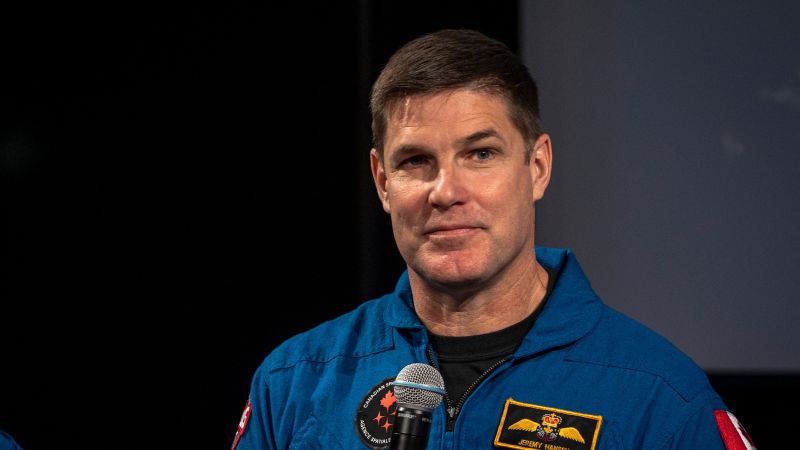
Canadian Astronaut Jeremy Hansen Announces Transition from Active Role
Artemis II crew member Jeremy Hansen – Canadian astronaut Jeremy Hansen, who gained global attention during his lunar circumnavigation as part of the Artemis II mission in April, has announced his decision to step down from full-time astronaut duties in September. This move marks the end of his 17-year tenure with the Canadian Space Agency (CSA), following a distinguished career in military aviation that spanned three decades. Hansen’s retirement is not a complete exit, however, as he will transition into a reservist role with the Royal Canadian Air Force. In a social media post, he emphasized that this shift is designed to maintain his involvement in Canada’s space endeavors while pursuing new professional avenues.
A Strategic Move for Continued Contribution
Hansen described his decision as a deliberate step to “leave the door open for creative, ongoing ways to support and enable the vital work happening in Canada with respect to space.” The CSA echoed this sentiment in a statement, highlighting Hansen’s “leadership, dedication and professionalism” and expressing confidence in his ability to “pursue new professional opportunities.” The agency noted that Hansen’s contributions to Canada’s space program, including his work with NASA and other international partners, have been instrumental in advancing the country’s role in space exploration.
“I’m stepping back from my full-time astronaut role to focus on new opportunities, but I’m not leaving the space community,” Hansen wrote.
Hansen’s retirement comes as the CSA faces a reduction in its active astronaut roster, now consisting of only three members: David Saint-Jacques, Joshua Kutryk, and Jenni Gibbons. His departure leaves a significant void, but the agency remains optimistic about his continued impact. Prime Minister Mark Carney praised Hansen’s “extraordinary service to Canada” and acknowledged his “remarkable contributions to space exploration,” particularly his historic participation in Artemis II, which united millions of Canadians under a shared mission.
The Artemis II Mission: A Milestone in Space History
The Artemis II mission, which Hansen completed in April, holds a special place in space exploration history. As the first crewed journey to the moon’s vicinity in over 50 years, it set a new record for the farthest humans have ever traveled into space—reaching 252,756 miles (406,771 kilometers) from Earth. This achievement not only showcased technological advancements but also symbolized a new era of international collaboration in space exploration. Hansen’s presence on the mission was pivotal, as he became the sole international astronaut aboard the crew.
During the 10-day mission, the crew shared live footage from the Orion capsule, which measures 16.5 feet in width (5 meters). These updates provided a unique glimpse into life in space and deepened public engagement with the mission. One of the most memorable moments occurred when Hansen, during a live broadcast, revealed the crew’s plan to name a lunar crater after Wiseman’s late wife, Carroll. The emotional announcement brought the team together and created a lasting impression for viewers around the world.
“Jeremy and I have been on this journey for 17 years,” said NASA’s Reid Wiseman, who served as the mission commander. “He’s one of my closest friends, and his character has never changed. He’s thoughtful, humble, steady under pressure, and the kind of person who makes everyone around him better.”
Wiseman, a Navy test pilot, shared photos and reflections on Instagram, underscoring the personal and professional bond he shared with Hansen. The two have worked together for nearly two decades, navigating the challenges of spaceflight and military aviation side by side. Wiseman expressed pride in Hansen’s next chapter, believing the transition will allow him to “expand his role in the Canadian space sector” while contributing to collaborative efforts.
A Legacy of Inspiration and Innovation
Hansen’s journey has been a source of inspiration, especially for young Canadians eager to pursue careers in science and technology. His role in Artemis II, alongside NASA astronauts Victor Glover and Christina Koch, not only broke barriers but also showcased Canada’s growing influence in space exploration. Glover, a naval test pilot, became the first Black person to travel to deep space, while Koch, an engineer, holds the record for the longest single spaceflight by a woman. Hansen’s presence on the mission further cemented Canada’s reputation as a key player in this field.
Hansen’s wife, Catherine, offered a personal perspective on his decision in a social media comment. She noted that “anyone who knows my husband will know he’s not done. Not even close.” Her statement highlighted Hansen’s enduring passion for space and his commitment to advancing its exploration. While the specifics of his future role remain unclear, Catherine emphasized that joining the military reserves is an “expansion of his role” and a way to “meet the demands of a rising Canada.”
A Reflection on the Mission’s Impact
Upon returning from the Artemis II mission, Hansen shared his reflections on the human experience, calling it “extraordinary” for him and his crewmates. He expressed pride in the global audience that shared in their excitement, describing the mission as a unifying event. “We have a term in our crew that we coined a long time ago,” Hansen said. “The ‘joy train’—it sounds like you saw a lot of joy up there. There was a lot of joy. We’re not always on the joy train, this crew, but we are committed to making every mission count.”
The mission itself was a triumph, blending scientific discovery with human resilience. Each crew member brought unique expertise to the task, from Koch’s engineering background to Glover’s piloting skills and Wiseman’s leadership. Hansen’s contribution, both as a pilot and a representative of Canada, added a layer of national pride to the international effort. His ability to communicate the mission’s significance through live updates and personal anecdotes helped bridge the gap between space exploration and public understanding.
Hansen’s retirement does not signal the end of his journey in space. While he will no longer be an active astronaut, his transition to the reserves ensures that his skills and experience remain available for future projects. This move aligns with his vision of contributing to Canada’s space initiatives in new and meaningful ways. The CSA has already begun planning for his continued involvement, recognizing the value he brings beyond his time in space.
A New Chapter for Canada’s Space Ambitions
As Hansen steps into his new role, Canada’s space program looks to the future with renewed focus. The Artemis II mission was a stepping stone toward more ambitious goals, including future lunar landings and Mars exploration. With Hansen’s experience and leadership, the CSA aims to build on this foundation, fostering partnerships that will drive innovation and discovery. His retirement also serves as a reminder of the dedication required to push the boundaries of human exploration, a legacy that will continue to inspire generations to come.
In a world where space exploration is increasingly collaborative, Hansen’s career exemplifies the importance of international partnerships. His time with NASA and other agencies has been a testament to the shared ambitions of nations working toward a common purpose. While the specifics of his future endeavors remain to be revealed, one thing is clear: Hansen’s contributions have left an indelible mark on Canada’s space program and the global community of explorers. As he embarks on this next phase, his story remains a beacon of what is possible when passion, skill, and dedication converge.
