
Speaker Johnson says House will pass Trump’s voter ID bill through arduous process after GOP revolt
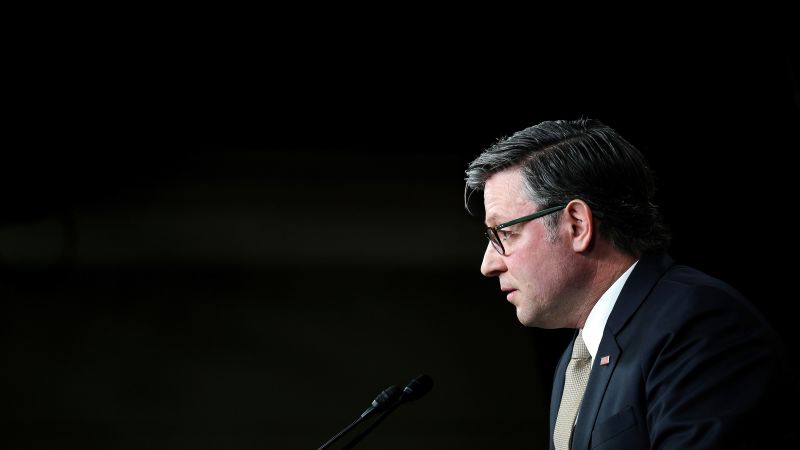
Speaker Johnson Aims to Pass Trump’s Voter ID Bill Amid GOP Divisions
Speaker Johnson says House will pass – House Speaker Mike Johnson has announced his intent to move forward with President Donald Trump’s voter ID legislation, despite challenges from within the Republican Party. Johnson emphasized that the House will leverage the budget reconciliation process to secure passage of the bill, which is a key component of Trump’s legislative agenda. The speaker acknowledged recent disagreements among GOP lawmakers but remains steadfast in his commitment to advancing the measure, calling it essential to safeguarding election integrity.
Internal GOP Conflict and Strategic Delays
The speaker’s decision to delay proceedings came after a faction of conservative Republicans, including Florida’s Anna Paulina Luna, blocked a procedural vote last week. These lawmakers argued that the bill should be finalized before being sent to the president’s desk. Johnson, however, viewed the holiday recess as a chance to realign party unity and regain momentum. “The House will pass this bill,” he stated, highlighting that the focus remains on ensuring the legislation aligns with Trump’s priorities.
During an interview with Fox News, Johnson explained the rationale behind the break: “I decided to send everyone home to celebrate July Fourth so we can return with renewed focus.” The speaker stressed that the holiday would allow lawmakers to reassess the bill’s provisions and build consensus. “This is a critical piece of legislation that will be irresistible to any Republican,” he added, underscoring the bill’s importance in the current political climate.
Trump’s Legislative Priorities and Senate Challenges
President Trump has consistently prioritized the SAVE America Act, framing it as a cornerstone of his agenda to combat election fraud. In a late-night speech on Saturday, he reiterated the need for swift passage, declaring, “We want to keep America great by approving this vital legislation.” The act’s provisions, which include stricter voter ID requirements and proof-of-citizenship measures, are designed to enhance election security.
However, the path to enactment has been complicated by Senate Republicans’ skepticism. Earlier this year, Senate parliamentarian Elizabeth MacDonough ruled the bill ineligible for inclusion in a budget framework, raising concerns among House leaders. Johnson remains undeterred, asserting that the budget reconciliation process is the most efficient way to bypass Senate filibuster rules and achieve a simple majority. “The House will pass this bill,” he said, confident that the process can overcome legislative hurdles.
Reconciliation Strategy and Legislative Momentum
Johnson and House GOP leaders believe the budget reconciliation process is the best route to expedite the bill. They argue that framing the legislation as part of a budget measure allows for quicker approval, even with Senate reservations. “The House has already passed a version of this bill, and now it’s about refining it within the reconciliation framework,” he explained, outlining the plan to streamline the process.
While some Senate Republicans advocate for removing the filibuster to prevent Democratic majorities from blocking future bills, others, like Majority Leader John Thune, have expressed concerns about its elimination. Johnson, however, remains focused on the House’s role in advancing the bill. “The House will pass this legislation because it aligns with the president’s vision for America,” he stated, reinforcing the bill’s significance in the GOP’s legislative strategy.
Reactions and Implications for Election Security
Supporters of the bill praise its efforts to combat voter fraud, while critics argue it could suppress minority votes. Johnson addressed these concerns, stating, “The House will pass this bill to ensure every vote is secure and every citizen is verified.” The legislation has drawn attention for its potential impact on election procedures, with proponents highlighting its role in strengthening electoral processes.
As lawmakers return to Washington, the House is set to finalize the bill’s details and push for its swift approval. Johnson’s strategy hinges on maintaining Republican unity and navigating the procedural complexities of budget reconciliation. “The House will pass this bill,” he reiterated, confident that the measure will become a defining achievement of Trump’s second term.
