
Japan is adding a new luxury bullet train upgrade
Japan Introduces Luxurious Shinkansen Upgrades for Travelers
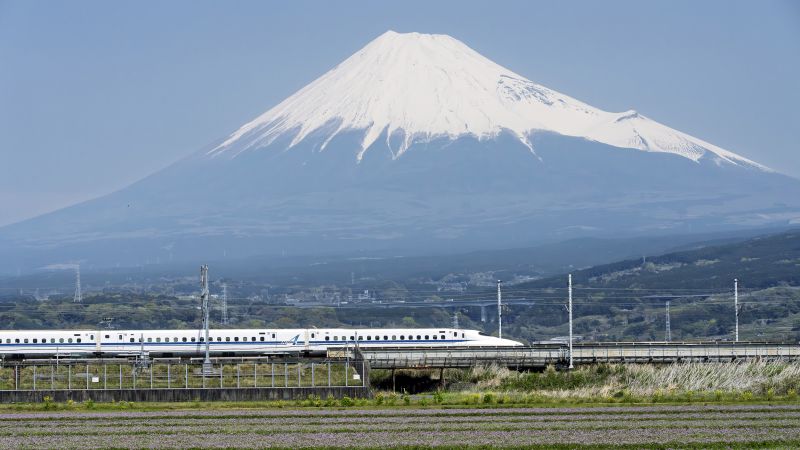
Japan is adding a new luxury – Japan is making waves in the travel industry with a bold new addition to its iconic Shinkansen high-speed rail system. This October, passengers traveling between Tokyo and destinations like Kyoto and Osaka will have the opportunity to upgrade to the “Supreme Class,” a private cabin experience that promises unparalleled comfort. These new compartments feature lockable doors, ensuring privacy, and even include small sofas in the largest units. Travelers can personalize their journey by adjusting lighting and air conditioning settings, adding a touch of bespoke luxury to the country’s already renowned bullet trains.
Global Heat Challenges and Travel Adjustments
This week, the world’s temperatures have reached unprecedented levels, forcing travelers to adapt to sweltering conditions. Europe, Asia, and the United States are all experiencing record highs, which have disrupted travel plans during the peak summer season. For those already on vacation, tips for surviving the heat include visiting outdoor attractions early in the morning, taking regular breaks, and staying hydrated through water-rich foods like melons and grapes. Ice cream, a staple of summer, remains a favorite, but its fleeting nature has led to a creative solution in Turkey: dondurma, a chewy, stretchy dessert that defies melting. Available in vibrant Mediterranean flavors such as pistachio and sour cherry, it has become a hit among visitors seeking a cool, lasting treat.
Meanwhile, Japan’s tourism boom shows no signs of slowing. Since the pandemic began, the country has consistently shattered tourism records annually, drawing millions of visitors eager to explore its cultural treasures. However, the Japanese government has announced a significant increase in its “sayonara tax,” raising the fee from ¥1,000 (approximately $6) to ¥3,000 ($18.50) on July 1. This levy, added directly to airfare costs, funds infrastructure development aimed at supporting the growing number of tourists. While some travelers may view this as an added burden, others see it as an investment in the country’s long-term appeal.
A New Era of Travel Comfort
Japan’s commitment to enhancing the travel experience extends beyond its rail system. A novel sleeper car service, Luna Azul (Spanish for “blue moon”), will debut next year on the Tohoku route, which connects Tokyo to remote prefectures like Aomori and Akita. This service offers lie-flat seats, allowing passengers to rest in comfort during overnight journeys. The design of these cabins reflects Japan’s blend of tradition and innovation, with amenities tailored to modern travelers seeking both efficiency and indulgence.
Other destinations are also finding creative ways to attract visitors. Palau, a small island nation in the northern Pacific Ocean near Taiwan and the Philippines, remains a hidden gem. Despite welcoming only a few thousand tourists annually, the country is famous for its Jellyfish Lake, a crater lake teeming with rare, non-toxic jellyfish that have captivated global audiences. These creatures, often seen as a standard wallpaper image, are a key draw for eco-tourists. Additionally, Palau’s historical role in the Pacific Theater of World War II adds depth to its appeal. The island of Peleliu, for example, was once a strategic Japanese stronghold, and the U.S. invasion there in the final stages of the war resulted in thousands of casualties on both sides. Today, visitors can explore the island’s cave systems and marvel at military equipment left in situ, offering a glimpse into the past.
Summer Adventures and Cultural Experiences
As summer reaches its peak, South Korea’s southern city of Busan is hosting its 20th-anniversary sand art festival on Haeundae Beach. The event, a highlight of the region’s cultural calendar, showcases intricate sand sculptures that transform the shoreline into an artistic playground. CNN recently interviewed a veteran sand sculptor, who shared insights into crafting elaborate designs that blend creativity with the natural elements of the beach. “Each piece is a challenge,” the artist explained. “You have to work quickly, but also think about how the sun and tide will shape the final result.”
Finland, too, is offering a unique summer activity: a midnight sun treasure hunt. With the sun barely setting during the longest day of the year, visitors can take part in a quest to find a gold bar prize, worth $23,000, hidden across the country. The challenge, tied to the country’s iconic natural phenomenon, appeals to adventurers and nature lovers alike. Meanwhile, in Hong Kong, Terminal 2 has officially opened, marking a new frontier in the competitive Asia airport landscape. The terminal’s advanced facilities and streamlined services aim to elevate the city’s status as a global aviation hub.
Amid these developments, the travel industry continues to evolve in response to changing consumer demands. The introduction of private cabins and sleeper cars highlights a growing trend toward personalized, premium travel experiences. However, not all updates are universally welcomed. The increased sayonara tax, while necessary for infrastructure, has sparked mixed reactions from tourists. “It’s a small price to pay for convenience, but I wish it were optional,” said one traveler during a recent visit. Despite such concerns, the combination of luxury upgrades, cultural events, and innovative activities underscores Japan’s and other destinations’ efforts to remain competitive in the global tourism market.
Travel Tips and Global Trends
For those navigating the challenges of summer travel, practical advice can make all the difference. Staying hydrated isn’t just about drinking water—foods like watermelon and grapes, which are naturally high in moisture, are recommended. Similarly, planning excursions during cooler morning hours helps avoid the midday heat. These strategies, coupled with Japan’s new offerings, aim to ensure a more enjoyable experience for travelers. As the internet’s new favorite food continues to spark a purple craze, it’s clear that even the most unexpected trends can influence how we explore the world.
The Shinkansen upgrades and the sayonara tax increase are just two examples of Japan’s dynamic approach to tourism. With the solstice marking the start of longer days, the country’s rail system and government are working in tandem to balance tradition with modernization. The Supreme Class cabins, for instance, represent a shift toward catering to high-spending tourists, while the tax hike reflects a broader strategy to sustain tourism growth. As global temperatures rise and travel patterns shift, destinations like Japan, Palau, and Busan are adapting to meet the needs of an ever-changing audience. Whether through luxury amenities, historical exploration, or creative festivals, the goal remains the same: to provide unforgettable experiences that keep travelers coming back year after year.
