
After Supreme Court’s TPS decision, more than a million immigrants face scramble to stay in US
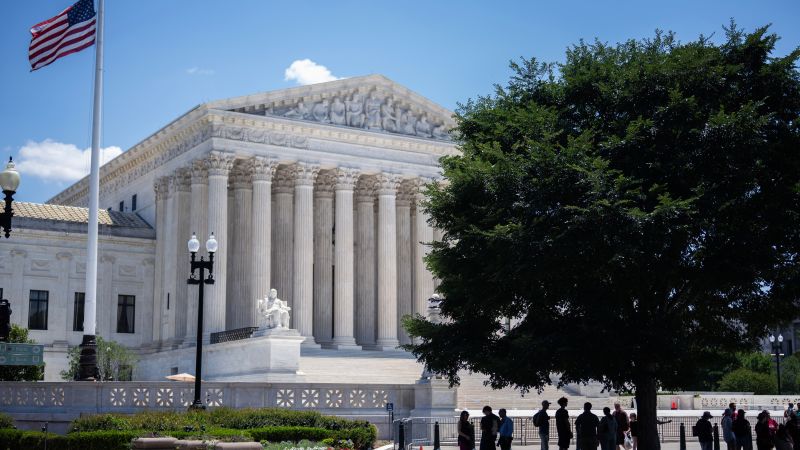
Supreme Court’s TPS Decision Sparks Uncertainty for Millions of Immigrants
After Supreme Court s TPS decision – Following the Supreme Court’s TPS decision, over a million immigrants now face an uncertain legal future in the United States. The ruling, issued on Thursday, grants the Department of Homeland Security (DHS) full authority to extend or terminate Temporary Protected Status designations without court intervention. This shift has amplified anxiety among Haitians, Syrians, and other beneficiaries, as their work permits and deportation protections hang in the balance. The decision underscores a growing trend of the judiciary aligning with executive immigration policies, raising concerns about the future of humanitarian relief programs in the country.
The Ruling and Its Legal Implications
The Supreme Court’s TPS decision reaffirms the Trump administration’s approach to immigration, allowing DHS to act independently on the status of protected groups. The case, which centered on Haitian and Syrian nationals, was seen as a key test of the legal framework for temporary protections. By removing judicial oversight, the ruling empowers the government to adjust TPS designations more swiftly, potentially accelerating the removal of immigrants from nations deemed stable enough to support their return. This decision has already triggered a scramble for permanent residency and other forms of relief among affected communities.
Temporary Protected Status has long served as a critical safety net for immigrants in crisis. For Haitians, the program began in 2010 after a devastating earthquake, and was later extended due to political instability following the assassination of President Jovenel Moïse. Syrians received TPS in 2020 amid the ongoing conflict in their homeland. The Supreme Court’s TPS decision, however, now threatens to end these protections, creating a domino effect for 11 other countries with pending designations. Advocates warn that the ruling could lead to one of the largest mass deportations in U.S. history, displacing thousands from their adopted homes.
“This decision strengthens the administration’s ability to secure our borders by giving them the tools to make timely and decisive actions,” stated James Percival, the Department of Homeland Security’s general counsel.
The ruling also has broader implications for immigration policy. By allowing DHS to finalize TPS designations without review, the Supreme Court has emboldened the agency to push for more deportations. The Trump-era policies that prioritized border security are now bolstered by this legal precedent, which could lead to the termination of protections for other countries. For Haitians and Syrians, the uncertainty has created a race against time to secure their status before expiration.
Impact on Immigrant Communities and Workforce
The Supreme Court’s TPS decision has left many immigrants in a precarious position. TPS beneficiaries, who have built careers, families, and communities in the U.S., now face the threat of deportation without clear pathways to permanence. Work permits are set to expire, jeopardizing their ability to earn income and access healthcare, education, and other vital services. Families are scrambling to submit paperwork, while some have already begun preparing for relocation. Legal experts emphasize that this decision could disrupt key industries, as Haitian and Syrian workers are integral to sectors like construction, agriculture, and hospitality in states with significant immigrant populations.
Industry leaders have voiced concerns about the economic consequences of the ruling. Haitian and Syrian workers, often filling essential roles in labor markets, may be forced to leave, creating shortages and financial strain. The Supreme Court’s TPS decision has also reignited debates about the fairness of immigration policies, with critics arguing that it leaves vulnerable populations without adequate safeguards. As the clock ticks down, advocates call for swift legislative action to address the fallout and protect those who have contributed to the U.S. economy for years.
In addition to the TPS decision, the Supreme Court has recently cleared the way for another controversial policy—expedited removals for undocumented migrants. This dual approach signals a shift toward stricter enforcement, with the TPS decision reinforcing the administration’s control over immigration. While supporters claim these measures strengthen border security, opponents warn that they could undermine the stability of immigrant communities. The combination of these rulings creates a complex landscape for those seeking to remain in the country, leaving many in a state of legal limbo.
