
Why Seattle’s Pride match has caused outrage for the two teams playing in it
Why Seattle’s Pride Match Has Sparked Controversy
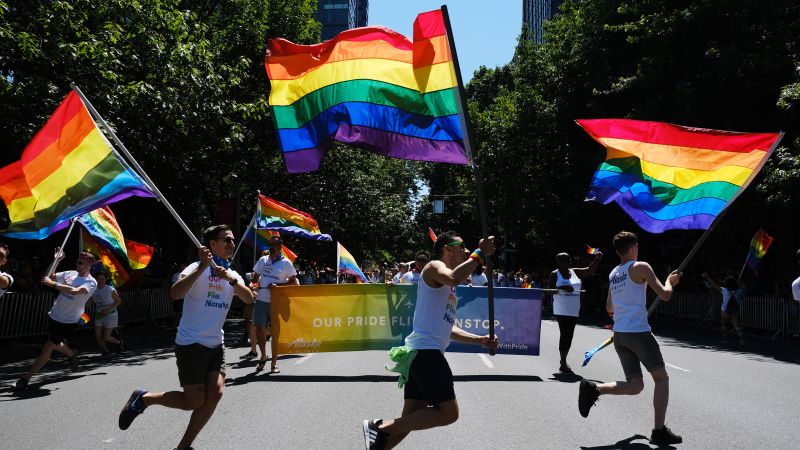
Why Seattle s Pride match has caused – The Why Seattle s Pride match has ignited a heated debate, with tensions rising between the two teams participating in the event. Set against the backdrop of Seattle’s Pride Weekend, the clash between Iran and Egypt at Lumen Field has become more than just a football match—it’s a cultural and political crossroads. While the game aims to celebrate diversity and inclusion, it also challenges the traditional values upheld by both nations, sparking discussions about representation and identity in international sports.
A Cultural Statement in a Global Arena
Seattle’s Pride Match was chosen to highlight the city’s status as a progressive hub, where LGBTQ+ rights are a key part of the social fabric. Organizers of SeattleFWC26, the event’s managing body, framed the match as a way to bridge communities and showcase the region’s commitment to unity. “By hosting this Why Seattle s Pride match during Pride Weekend, we’re inviting the world to see how inclusive Seattle is,” said a spokesperson. The event’s timing also drew attention to the growing influence of LGBTQ+ activism in sports, a trend that has been gaining momentum globally.
“Football is a universal language, and this Why Seattle s Pride match is a chance to use it for good,” the spokesperson added. “We want fans from all backgrounds to feel welcome and celebrated.”
However, the match has not been without its critics. Iran’s national team, which plays in a country where homosexuality is punishable by death, has expressed concerns that the event might dilute their cultural identity. Similarly, Egypt, where public displays of same-sex affection are restricted, faces a delicate balancing act between its traditional values and the inclusive message of the Why Seattle s Pride match.
International Reactions and Cultural Sensitivity
FIFA’s decision to align the Why Seattle s Pride match with Pride Weekend reflects its ongoing efforts to promote inclusivity on the global stage. The organization has allowed rainbow flags in stadiums, provided they are displayed respectfully. Yet, this gesture has been met with mixed reactions from both Iran and Egypt, where football often serves as a symbol of national pride and cultural unity. Some players have embraced the Why Seattle s Pride match as an opportunity to align with global human rights movements, while others fear it could be seen as a compromise to Western influence.
Meanwhile, the broader World Cup context adds layers to the Why Seattle s Pride match. With other high-profile games in Boston and Toronto, the tournament continues to serve as a platform for social advocacy. The Why Seattle s Pride match stands out for its symbolic significance, as it challenges the intersection of sport and societal values in a way that resonates beyond the field.
Global Unity and Local Tensions
Seattle’s Pride Match underscores the complex relationship between international sports and national identity. As the game unfolds, it becomes a microcosm of larger debates about how countries navigate global movements for equality. The Why Seattle s Pride match is not just about the teams competing—it’s about the messages they choose to send to the world. This duality has led to passionate conversations among fans, players, and international observers, all of whom see the match as a pivotal moment in the World Cup’s history.
With the Why Seattle s Pride match now in the spotlight, the question remains: can a single game truly bridge cultural divides or will it deepen existing tensions? As both Iran and Egypt prepare to take to the field, the outcome of the match may carry symbolic weight that extends far beyond the scoreboard, shaping perceptions of inclusivity and national pride for years to come.
