
The most controversial fossil site in human evolution just got even more puzzling
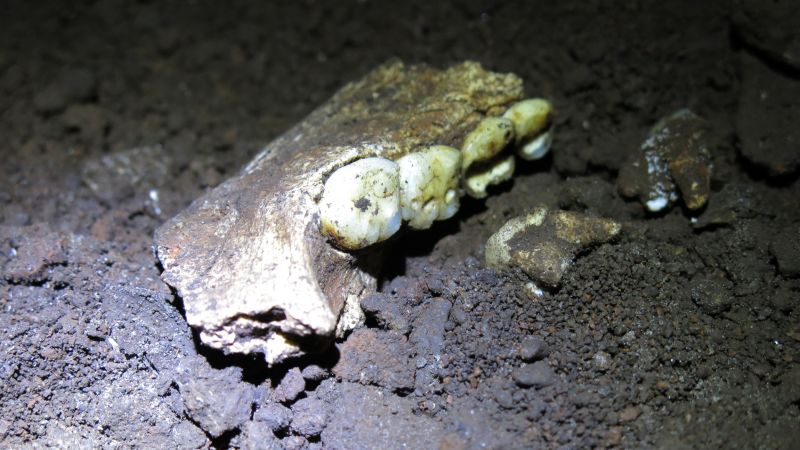
The most controversial fossil site in human evolution adds new layers of mystery
The most controversial fossil site in human – At the center of human evolutionary studies lies the most controversial fossil site, the Rising Star cave system in South Africa. For over a decade, this site has captivated researchers with its remarkable discoveries, including the Dinaledi Chamber, where a groundbreaking collection of hominin fossils was unearthed. These remains, attributed to a previously unknown species, have already challenged conventional theories about human origins. Now, recent findings have intensified the intrigue, prompting new questions about the species’ biology, behavior, and the enigmatic nature of the site itself.
Revealing a puzzling gender pattern
Scientists have long debated the significance of the Dinaledi Chamber’s fossils, but a new study published in *Cell* has introduced a startling twist. By analyzing proteins from 20 individuals, researchers determined that all remains belonged to females, a discovery that has left the scientific community in awe. Dr. Palesa Madupe of the Globe Institute at the University of Copenhagen explained, “This finding is unprecedented. It suggests a possible bias in the fossil record or a unique biological trait of *Homo naledi*.” The absence of male-specific amelogenin proteins—typically found in Y-chromosome-linked genes—raises intriguing possibilities about the species’ social structure and survival strategies.
The most controversial fossil site has yielded remains that defy traditional classifications. *Homo naledi*, first identified in 2015, exhibits a mix of primitive and advanced features, such as a small brain size paired with complex tool use. This blend of traits has long sparked debate, but the latest evidence about its all-female population adds another dimension to the mystery. Could this indicate that males were excluded from the site, or is there a genetic anomaly at play? These questions underscore the ongoing significance of the Rising Star cave system in redefining our understanding of early human evolution.
Unraveling the biological and cultural implications
The latest research, which focused on protein analysis, has shed light on the gender composition of the *Homo naledi* remains. By studying 23 tooth enamel samples, the team found 20 definitive female fossils, with two samples remaining inconclusive. This discovery challenges previous assumptions about the species’ sexual dimorphism, as earlier analyses noted minimal differences between males and females. Lee Berger, who co-authored the study, remarked, “The data is both fascinating and perplexing. It suggests *Homo naledi* may have had unique burial practices or even a distinct reproductive strategy.”
While the most controversial fossil site continues to puzzle experts, the implications of these findings extend beyond the Dinaledi Chamber. If *Homo naledi* indeed buried its dead in a gendered manner, it could indicate advanced social behavior previously thought to be exclusive to later hominins. However, the study’s authors caution that genetic factors, such as mutations in the amelogenin-Y gene, might also explain the absence of male remains. Enrico Cappellini, a senior researcher, noted, “Such gene deletions are rare but not impossible. We need to explore both biological and cultural explanations.”
These revelations have sparked a renewed interest in the Rising Star cave system. The site’s unique conditions, including its remote location and the methodical placement of fossils, hint at intentional human activity. As scientists continue to investigate the most controversial fossil site, they remain divided on whether the findings support a new model of human evolution or simply highlight the gaps in our current understanding. The study’s publication marks a pivotal moment in the field, with researchers eagerly awaiting further analysis to clarify the puzzle.
With the most controversial fossil site now revealing unexpected gender patterns, the narrative of human evolution grows more complex. The discovery of 20 female remains, coupled with the absence of male fossils, challenges the idea that sexual dimorphism was a universal trait among early hominins. Researchers are now exploring how this could influence theories about the species’ behavior, such as whether they practiced ritualistic burials or had a different social hierarchy. As the field evolves, the Dinaledi Chamber stands as a testament to the power of new techniques in unlocking the secrets of our ancient past.
