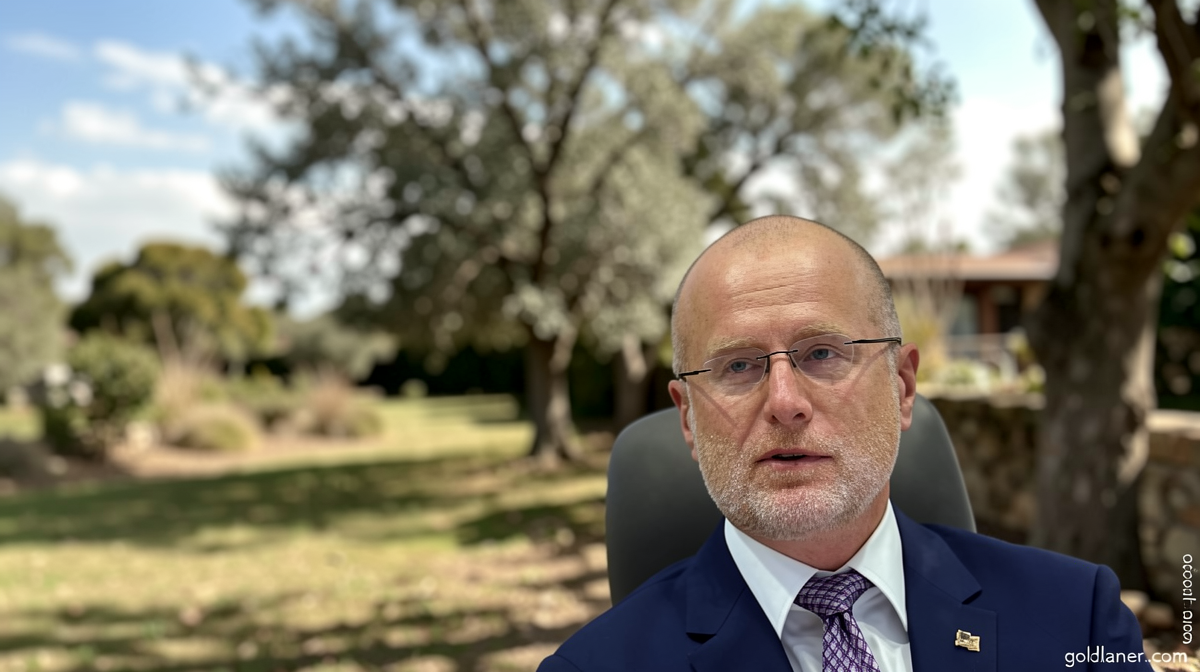
Colombia bets on ‘the Tiger,’ a Trump-backed far-right populist leading race to the presidency

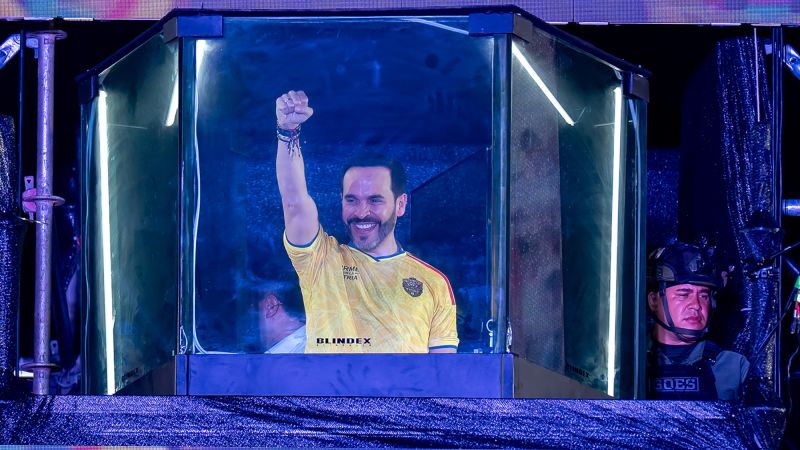
Colombia’s Presidential Race Enters Final Stretch with Trump-Backed Candidate Leading
Colombia bets on the Tiger a Trump – Colombia’s presidential election has reached a pivotal stage as the preliminary count reveals a decisive lead for Abelardo de la Espriella, a far-right populist hailed by US President Donald Trump. Known colloquially as “the Tiger,” de la Espriella’s campaign has centered on tackling the nation’s enduring challenges with a bold, decisive approach. With 99.91% of the votes tallied in the Sunday runoff, the results suggest he may soon become the next leader of the South American country, though the final outcome remains pending. His closest competitor, Iván Cepeda, the government-endorsed rival, trails closely behind, leaving both candidates to await the official tally by electoral commissions.
De la Espriella’s Rise: A Blend of Legal Expertise and Political Zeal
De la Espriella, a 47-year-old former criminal lawyer, has built his political persona around aggressive law-and-order policies. His dual nationality—holding US and Italian passports in addition to his Colombian citizenship—has drawn attention, with supporters viewing it as a strategic advantage. Trump’s recent endorsement, shared on Truth Social, underscored de la Espriella’s appeal to right-wing audiences, particularly in Latin America, where similar populist leaders have gained traction. The former president’s backing is seen as a key factor in de la Espriella’s ability to mobilize voters disillusioned with the current administration’s handling of security and economic reforms.
The runoff election, which saw a narrow margin between de la Espriella and Cepeda, has highlighted the deepening divide in Colombian society. While de la Espriella’s campaign promised swift solutions to the nation’s crime epidemic and the legacy of its 2016 peace agreement, critics argue that his proposals lack depth. The 2016 accord, which aimed to end decades of conflict between the government and the Revolutionary Armed Forces of Colombia (FARC), has faced challenges, including a resurgence of violence that has reignited fears of armed groups reclaiming the battlefield. This context has made de la Espriella’s focus on hardline measures particularly resonant with voters seeking immediate action.
Political Alliances and Controversies
De la Espriella’s ascent has been fueled by a coalition of international and domestic allies. In addition to Trump, his support network includes prominent figures such as El Salvador’s President Nayib Bukele and Argentina’s Javier Milei, both of whom advocate for austerity and strong governance. This alignment with Latin American right-wing leaders has positioned de la Espriella as a key figure in a broader trend of populism across the region. His movement, “Defenders of the Homeland,” has also drawn backing from Italy’s Prime Minister Giorgia Meloni and the family of Brazil’s former President Jair Bolsonaro, further solidifying his cross-border appeal.
Despite his lack of prior political experience, de la Espriella has managed to captivate supporters with his rhetoric. His legal career, marked by high-profile cases, includes representing Alex Saab, the alleged financier of Venezuela’s ousted President Nicolás Maduro, who was recently extradited to the United States on money laundering charges. De la Espriella also played a role in a 2012 prostitution scandal involving agents of the US Secret Service during former President Barack Obama’s visit to Cartagena. These connections have raised questions about his alignment with foreign interests, yet they have bolstered his image as a pragmatic, results-oriented leader.
Challenges Ahead: Governance and Institutional Barriers
As the race moves toward its conclusion, de la Espriella faces significant hurdles in transitioning from a campaign platform to a viable government plan. His choice of vice president, former Finance Minister José Manuel Restrepo, hints at an effort to court conservative establishment support, but it also underscores the need for alliances with traditional right-wing parties. The “Defenders of the Homeland” political movement, which currently holds no seats in either house of Congress, will likely rely on such partnerships to push through legislative changes. This dynamic could create tension, as many of these parties have previously opposed current President Gustavo Petro.
De la Espriella’s dual citizenship has sparked debate about potential conflicts of interest. While he has expressed pride in his international passports, naturalized US citizens are required to swear an oath of allegiance, which could be interpreted as prioritizing American interests over Colombia’s. This concern is amplified by his advocacy for a drastic reduction in public spending, a policy reminiscent of Milei’s radical economic reforms. However, de la Espriella argues that his US passport offers protection, positioning him as a leader unafraid to take bold steps in the face of political and security threats.
The Legacy of Violence: A Persistent Threat
Though de la Espriella’s victory may signal a shift in Colombia’s political landscape, the nation’s security challenges remain formidable. The 2016 peace agreement, which ended the decades-long conflict with the FARC, was celebrated as a landmark achievement, yet it has not fully resolved the underlying issues. In recent years, criminal groups have filled the power vacuum left by the disbanded FARC, expanding their ranks by 5,000 members alone in 2025, according to the Ideas For Peace Foundation. This growth has led to a renewed wave of violence, with landmines once again becoming a tool of warfare. The casualty rate from these devices has increased by 20% over the past few years, according to government statistics, highlighting the persistence of the conflict even after the peace deal.
“After the peace agreement, there were areas where the state had certified they were cleared. Today, we’re counting casualties in those same areas again,” says Crl. (R) Luis, a local analyst. This statement underscores the fragility of the peace process and the challenges de la Espriella will face in addressing it. His campaign, though energetic, has offered few concrete strategies for governance, leaving skeptics to question whether his victory will translate into meaningful policy. Nevertheless, his ability to secure a preliminary lead suggests that his message of strength and decisive action has resonated with a significant portion of the electorate.
As de la Espriella prepares to assume the presidency, the focus will shift to how he navigates Colombia’s complex political and social landscape. His success in the runoff has not only redefined the race but also positioned him as a symbol of the far-right’s growing influence in the region. Yet, his path to power is not without obstacles—ranging from institutional resistance to the delicate balance of maintaining international alliances while addressing domestic crises. The next phase of his campaign will be crucial in determining whether he can deliver on his promises and transform Colombia’s trajectory in the years to come.
“Ethics has nothing to do with law,” de la Espriella once remarked when questioned about his association with controversial clients. This statement, which has become a mantra for his political brand, reflects his philosophy that practical outcomes outweigh moral considerations. As the country braces for a new era of leadership, the impact of his policies on Colombia’s future will be closely watched.