A fire at a cold-storage warehouse in Los Angeles has been burning for days. Here’s what we know

A Week-Long Fire at Los Angeles Cold-Storage Facility Sparks Concerns
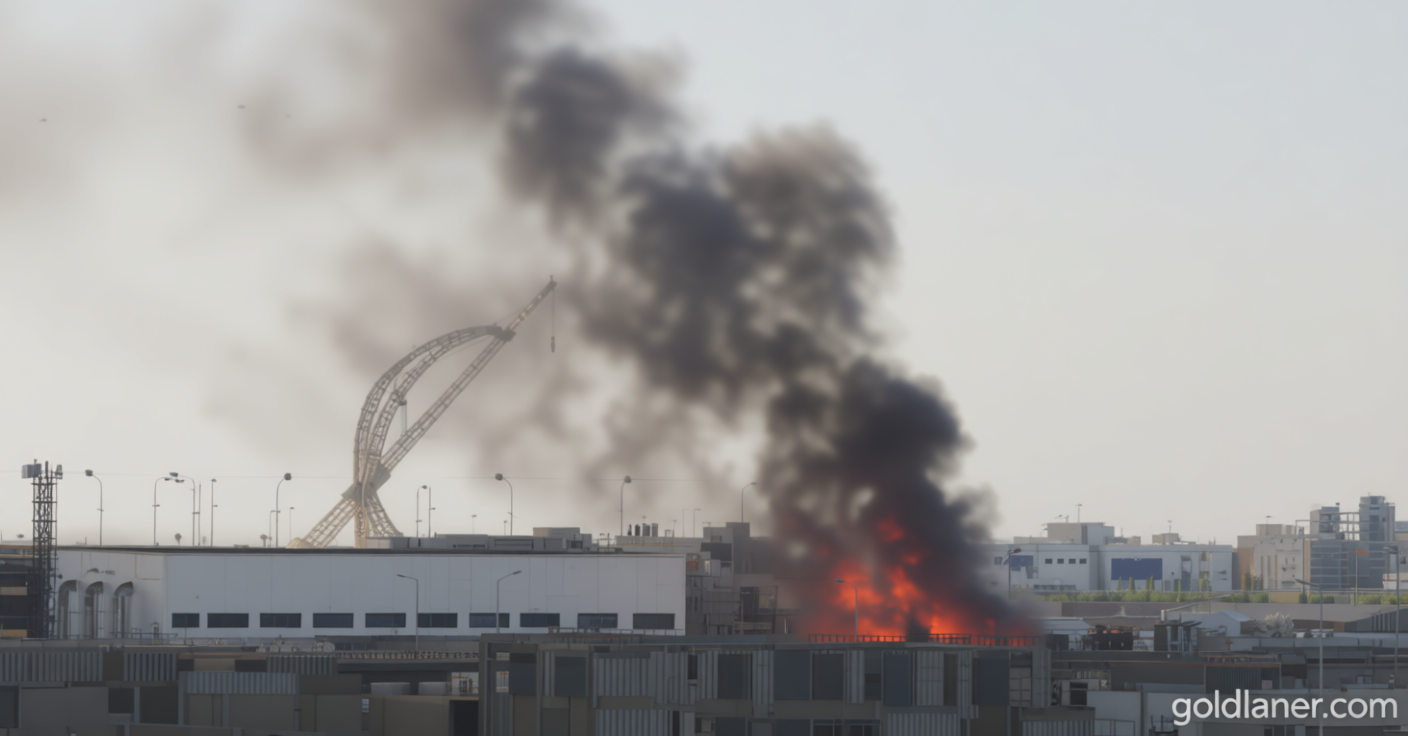
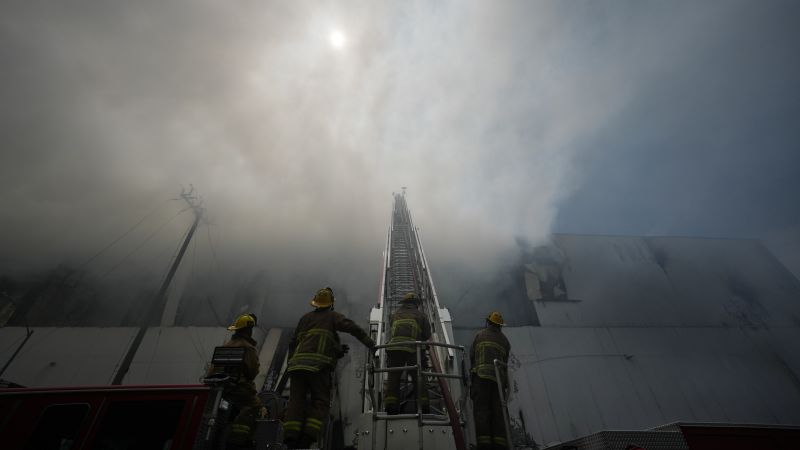
A fire at a cold storage – A persistent plume of smoke has become a daily sight in the Los Angeles skyline, lingering for nearly seven days without signs of abating. The blaze originated in a cold-storage warehouse on Los Palos Street, where approximately 85 million pounds of frozen food were stored. The fire department reported the incident began around 2:35 p.m. on Wednesday, June 17, with flames erupting from the roof. This has prompted residents to take precautions, including shutting off air conditioning units, as the thick smoke spread across the city.
Fire Origin and Cause
The Los Angeles Fire Department (LAFD) has yet to determine the exact cause of the fire, though Lineage, the company leasing and operating the facility, provided a detailed explanation. According to the company, the fire likely started on the roof when subcontractors were working on the solar array. Lineage emphasized that it does not own the building or the rooftop solar system, which was leased to a third-party provider responsible for its maintenance.
“We believe the fire originated on the roof on Wednesday while the company’s subcontractors were servicing the solar array,” said Lineage. “We are the tenant-operator of the warehouse building and lease the roof to a third-party solar company, which is responsible for operating and maintaining the array.”
Ammonia, a common refrigerant used in the facility’s cooling systems, was suspected to play a role in the fire’s progression. Initially, crews focused on offensive suppression, but a 15-minute delay occurred when a suspected ammonia leak forced them to shift to a defensive approach. Lineage later confirmed that no measurable ammonia levels were detected in the community since the fire began, and the company took proactive measures to remove the chemical from the site.
Firefighting Efforts and Structural Challenges
Containment efforts faced significant hurdles due to the warehouse’s immense size. LAFD helicopters were deployed for the first time in a structure fire, dropping water to suppress the flames. “The sheer size of this structure … largely prevented effective ground access,” the fire department noted. However, the prolonged exposure to water led to instability in parts of the building, complicating rescue operations.
Firefighters described the situation as “complex and long-duration,” requiring sustained efforts to manage. The collapsed roof sections now rest on interior storage racks, creating unpredictable conditions. “We have zero visibility inside the building because of the collapsed roof and the dense smoke,” said LAFD Chief Jaime Moore during a news conference. This has slowed progress in accessing critical areas, despite the fire being largely under control within six hours.
Impact on the Surrounding Community
The fire’s aftermath has affected nearby residents, with smoke conditions prompting shelter-in-place orders. “The smell of smoke has reached most of the city, and we encourage everyone to limit exposure as much as possible,” the LAFD stated. While the immediate danger has subsided, the prolonged smoke has caused concern among locals. Lineage acknowledged the distress of neighbors in Boyle Heights, where the facility is located, and has pledged to provide support.
Lineage, which operates a massive 491,000 square feet of warehouse space in Boyle Heights, has committed $2 million to the California Community Foundation (CCF) to aid those impacted by the fire. The company is also collaborating with local officials to distribute air purifiers, food, and other resources to the community. “We know many people living near our facility in Boyle Heights are deeply distraught about the fire that began on June 17, and rightfully so,” Lineage added.
Evacuation and Recovery
All employees at the facility were evacuated safely, with no injuries reported. Lineage has been working to relocate its staff to other locations, ensuring their well-being during the incident. The company also highlighted its efforts to mitigate the fire’s effects, stating that it took measures to pump out ammonia and transport it offsite, eliminating the risk to the surrounding area.
Despite the fire being contained, the LAFD warned that smoke conditions could still fluctuate. “Although smoke levels have improved significantly, intermittent increases may occur as crews open walls and other concealed spaces to locate and extinguish hidden fire pockets,” the department explained. The fire’s duration and the building’s structural challenges have led to a declaration of emergency by LA Mayor Bass, securing additional resources for the ongoing response.
Residents in the Boyle Heights neighborhood have expressed mixed reactions. Some praised Lineage for its swift action in mitigating risks, while others questioned the safety of the facility. “This has been a difficult week for everyone, but we are committed to doing everything possible to support the community,” a Lineage spokesperson said. The company’s long-term presence in the area has made it a focal point for recovery efforts, with plans to rebuild and improve safety protocols in the aftermath.
The fire’s impact extends beyond the immediate area, drawing attention to the broader role of cold-storage facilities in urban settings. The incident has raised questions about the safety of solar arrays and refrigeration systems, particularly in large-scale operations. While the LAFD has not yet released an official cause, the initial investigation points to the solar array as a likely trigger. Lineage’s statement on the matter underscores the importance of third-party maintenance in such scenarios.
Historically, Lineage has faced similar challenges. In 2024, a facility in Washington state burned for two months, smoldering through the winter. The current situation in Los Angeles has drawn comparisons to that event, though the fire department has noted differences in scale and conditions. “This remains a complex incident that will require continued monitoring and intervention,” LAFD officials emphasized during a recent update.
Looking Ahead
As the fire fades, the focus shifts to long-term recovery and prevention. Lineage has committed to reviewing its safety measures and collaborating with local authorities to prevent future incidents. The LAFD is also conducting a thorough assessment of the building’s structural integrity and environmental impact. “We are working closely with experts to ensure the community is protected and the facility is restored to full operation,” the fire department stated.
Residents and officials alike are hopeful that the situation will stabilize. “While the fire has burned for days, the community’s resilience and the efforts of the fire department give us reason to be optimistic,” said a local resident. The incident serves as a reminder of the vulnerabilities of large industrial spaces and the need for proactive safety planning. With continued support from Lineage and the LAFD, the path to recovery is gradually taking shape, though the road ahead remains challenging.